Italian Government Faces Internal Divisions Over Electoral Law Amendments
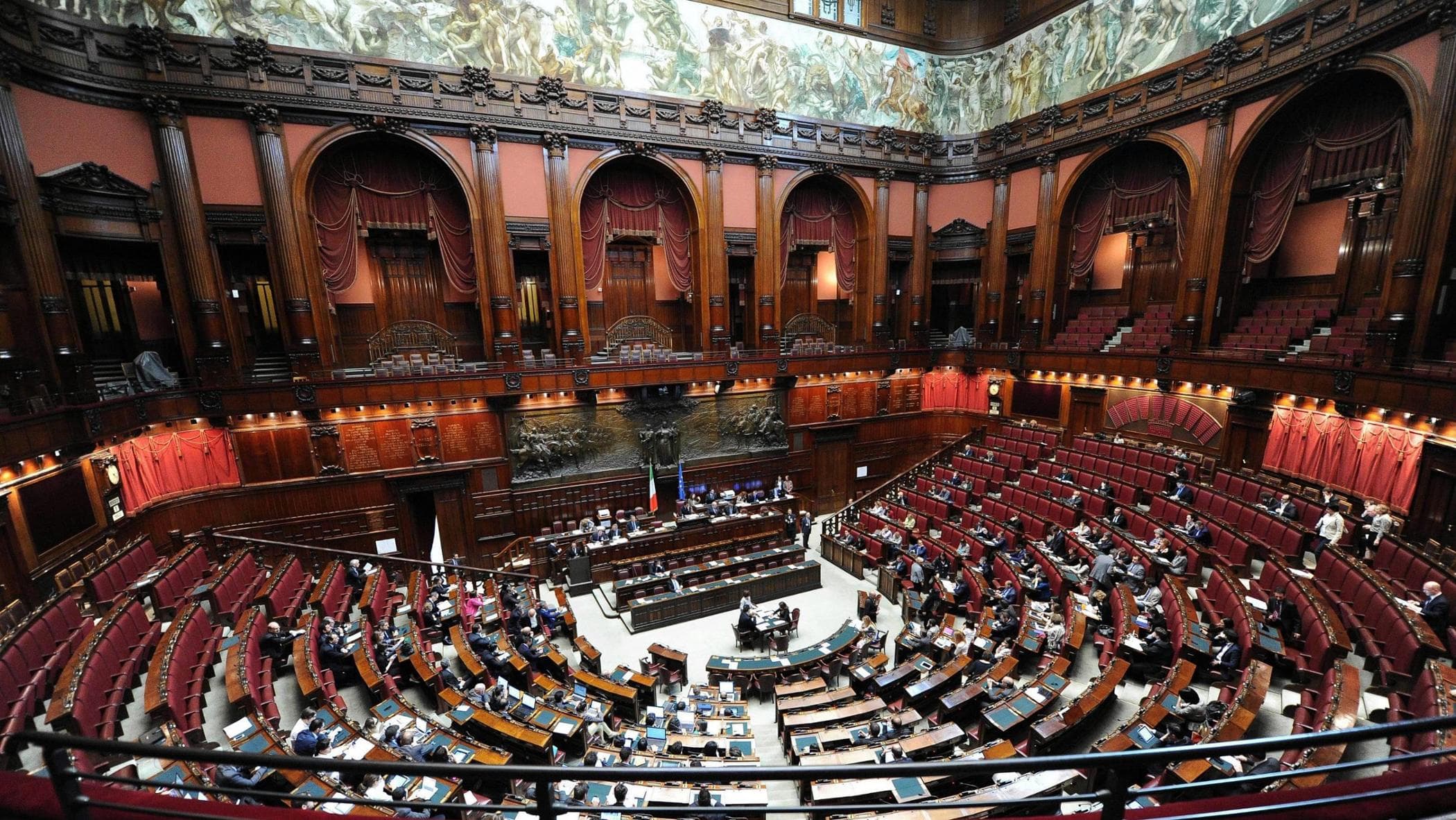
The ruling center-right coalition in Italy is experiencing significant internal friction regarding proposed amendments to the electoral law. Parliamentarians aligned with Prime Minister Giorgia Meloni's Brothers of Italy (FdI) party have reportedly approved an amendment put forth by the National Alliance (AN) faction, which includes support from the controversial figure Roberto Vannacci. However, this move has met with strong opposition from the League (Lega) and Forza Italia (FI) parties, key partners in the coalition. The divisions have led opposition leaders to call for immediate elections, citing the government's instability. Despite these calls and the evident rifts within the majority, ministers have attempted to downplay the severity of the situation, asserting that the executive government will continue its work and that there is no immediate crisis. The disagreement highlights ongoing tensions within the coalition, particularly concerning electoral reforms and the influence of different party factions.
The internal discord within Italy's center-right coalition over electoral law amendments reveals a common challenge for multi-party governments: balancing diverse ideological stances and factional interests with the need for legislative unity. The differing positions of Brothers of Italy, the League, and Forza Italia on electoral reform suggest underlying strategic calculations regarding future electoral performance and party influence. While opposition parties are leveraging these divisions to advocate for early elections, the government's stated intention to persevere indicates a focus on maintaining stability, possibly through further negotiation or compromise. The situation underscores the dynamic interplay between party politics, legislative processes, and the broader political landscape, particularly as the coalition navigates its mandate and prepares for future electoral challenges.
AI-generated to prompt reflection — not editorial opinion, not advice, not a statement of fact. How this works.