Italian Interior Minister Refuses to Sign Clemency Appeal
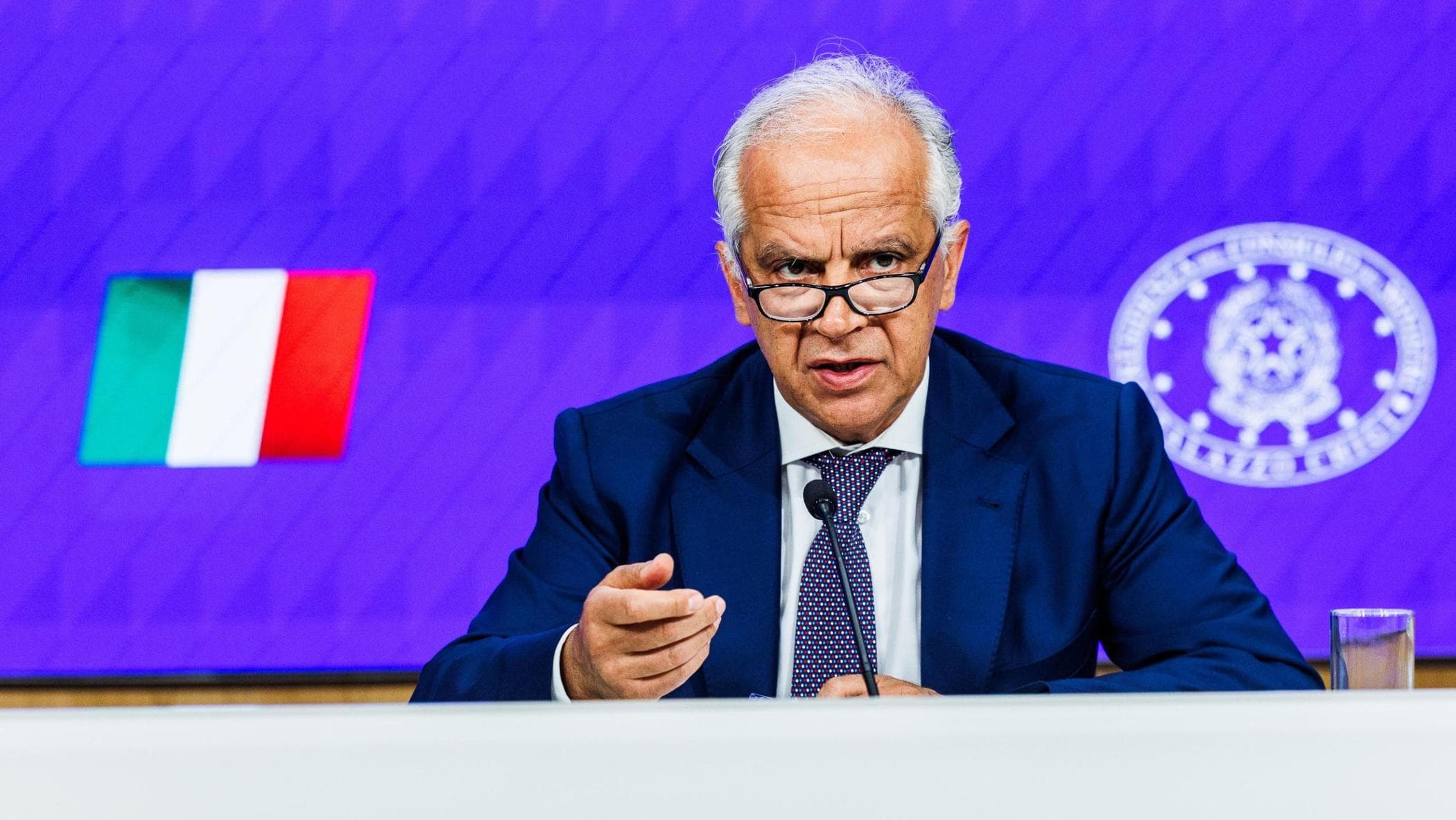
Italian Interior Minister Matteo Piantedosi stated that he will not sign any appeals for clemency, emphasizing that the case is complex and requires careful examination of the facts. Piantedosi, who leads the Ministry of the Interior, indicated that while the situation is stirring public conscience, the legal proceedings involved are intricate. He suggested that any decision on clemency would depend on a thorough review of the relevant documentation. The minister's stance positions him apart from some within the majority who have expressed support for clemency in this particular case. His refusal to sign appeals highlights a cautious and legally grounded approach to the matter, prioritizing due process over immediate public sentiment. The minister's comments suggest a commitment to upholding the integrity of the judicial process, even when faced with significant public attention and emotional appeals.
The Italian Interior Minister's refusal to sign clemency appeals, citing the complexity of the case and the need to review documentation, reflects a tension between public sentiment and legal due process. This stance prioritizes the established judicial framework over potentially emotional responses, a common dynamic when high-profile cases capture public attention. From a governance perspective, such decisions highlight the checks and balances inherent in legal systems, where executive actions like clemency are subject to rigorous scrutiny. Looking ahead, the increasing influence of AI in legal analysis and decision-making could offer new avenues for evaluating complex cases, potentially streamlining processes while also raising questions about algorithmic bias and human oversight. The minister's position underscores the enduring importance of careful deliberation in matters of justice, even as societal expectations for swift resolution evolve.
AI-generated to prompt reflection — not editorial opinion, not advice, not a statement of fact. How this works.