Italian Interior Ministry Outlines Strategy in Fakir Case, Vows Accountability
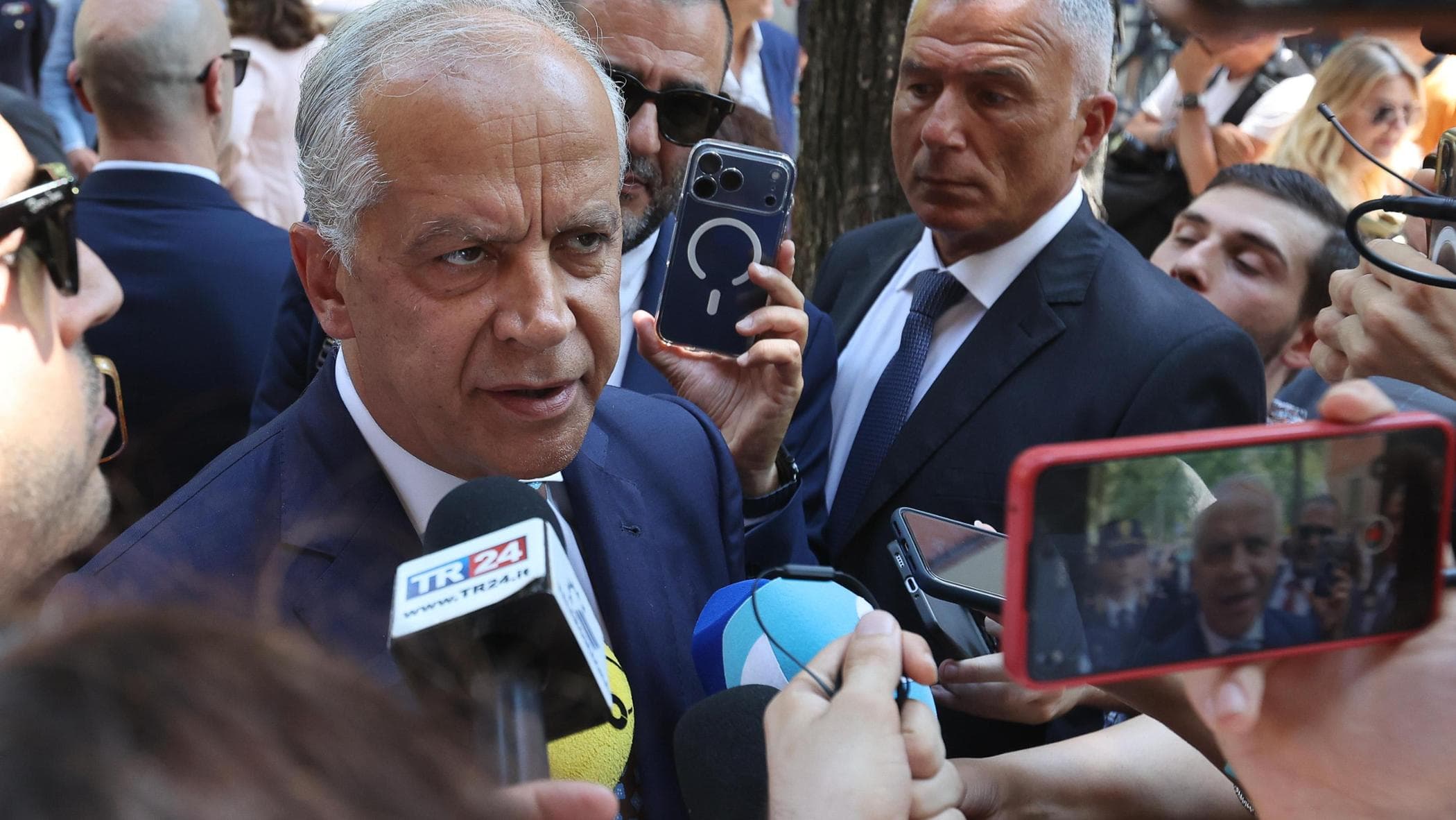
Italian Interior Minister Matteo Piantedosi has detailed the Ministry's strategy regarding the case of Idy Diene, also known as Fakir, who died in police custody. Piantedosi stated that the case will not become another Stefano Cucchi, implying a commitment to transparency and justice. He asserted that if any individuals are found to be at fault, they will be held accountable. The Minister also addressed potential biases, suggesting that those with preconceived notions might distrust the public prosecutors. As a consequence of the ongoing investigation, the two police officers involved have been removed from street duty. Furthermore, an internal circular has been issued by the Ministry of the Interior, mandating that chest compressions should never be prolonged. This directive aims to prevent further incidents of excessive force or improper restraint during police interventions.
The Italian Interior Ministry's proactive communication strategy in the Fakir case appears designed to preempt public and media scrutiny, aiming to establish a narrative of accountability and prevent comparisons to past controversial deaths in custody. By emphasizing that culpable parties will face consequences and issuing directives on police procedure, the Ministry seeks to demonstrate institutional responsibility. However, the effectiveness of this strategy will hinge on the independent thoroughness of the judicial investigation and the transparency of its findings. The focus on procedural directives suggests an attempt to address systemic issues, but the ultimate resolution will test the balance between ensuring public order and upholding individual rights within the Italian legal framework.
AI-generated to prompt reflection — not editorial opinion, not advice, not a statement of fact. How this works.