Italian Jewelry Store Robbery: Victims' Families and Accomplice to Receive Compensation
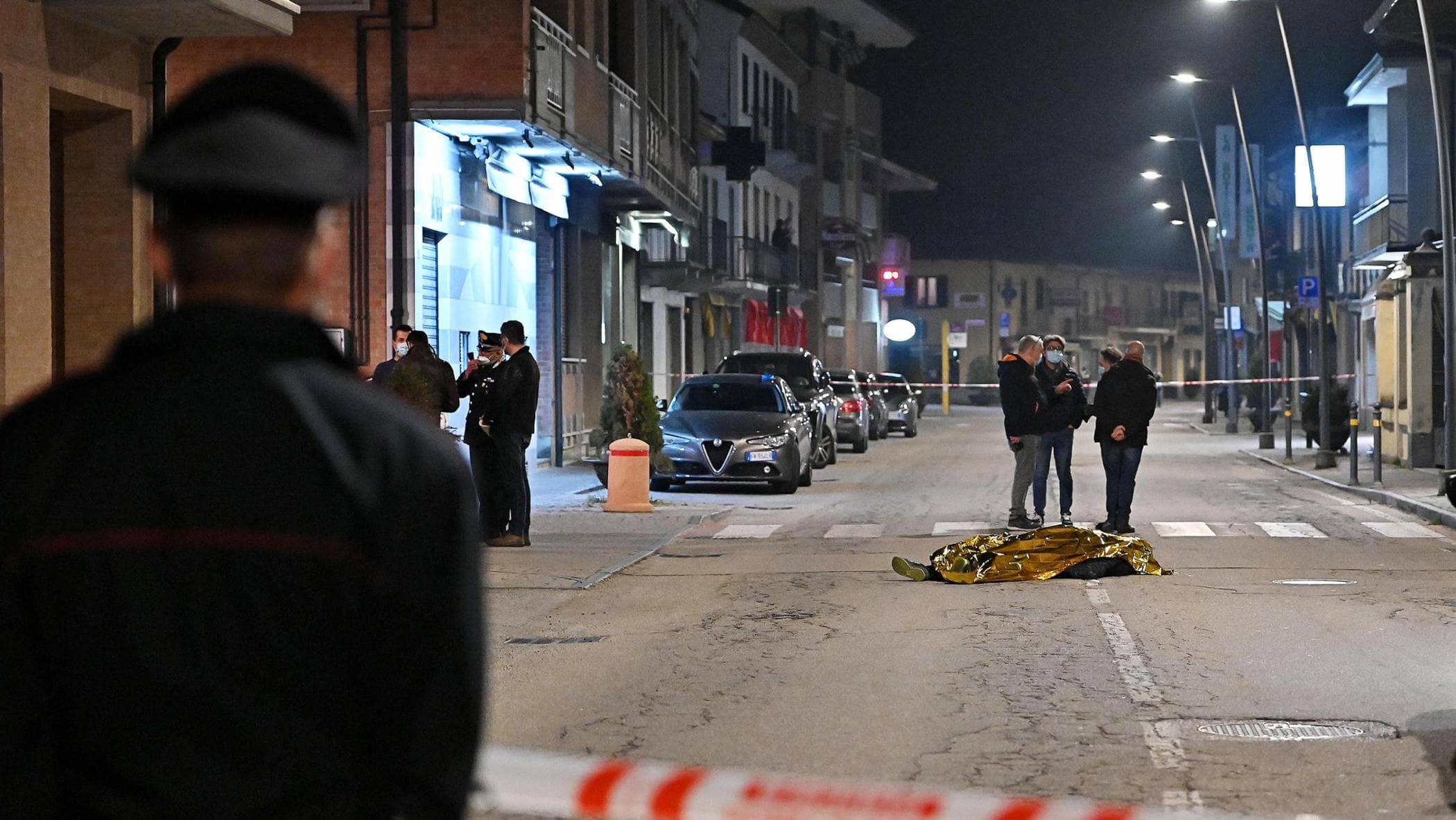
Italy's Court of Cassation has finalized compensation payments totaling 780,000 euros for the families of Giuseppe Spinelli and Carlo Mazzarino, who were killed during a robbery at a jewelry store in Grinzane Cavour. The perpetrator, jeweler Mario Roggero, was convicted for the crime. The court also awarded 10,000 euros to Alessandro Modica, who was injured in the same shooting incident. Roggero, a jeweler from Cuneo, was found guilty of the robbery and the subsequent killings. The provisional sums are to be distributed among the relatives of the deceased victims. This ruling confirms the financial reparations to be made to those affected by the violent event that occurred at the jewelry store.
The Italian judicial system's decision to award provisional damages to the families of victims and even to a surviving accomplice in a robbery case highlights a complex approach to restorative justice. This framework aims to acknowledge the multifaceted harm caused by violent crime, extending beyond immediate loss to include the suffering and injury of all involved parties. Such provisions can be seen as an incentive for legal compliance and a mechanism to mitigate further societal friction arising from unresolved grievances. However, the allocation of funds, particularly to an accomplice, may raise questions about deterrence and the perceived fairness of justice, prompting consideration of how compensation models interact with criminal accountability and public safety objectives in the long term.
AI-generated to prompt reflection — not editorial opinion, not advice, not a statement of fact. How this works.