Italian National Research Council Investigates Engineers Behind Assisted Suicide Device
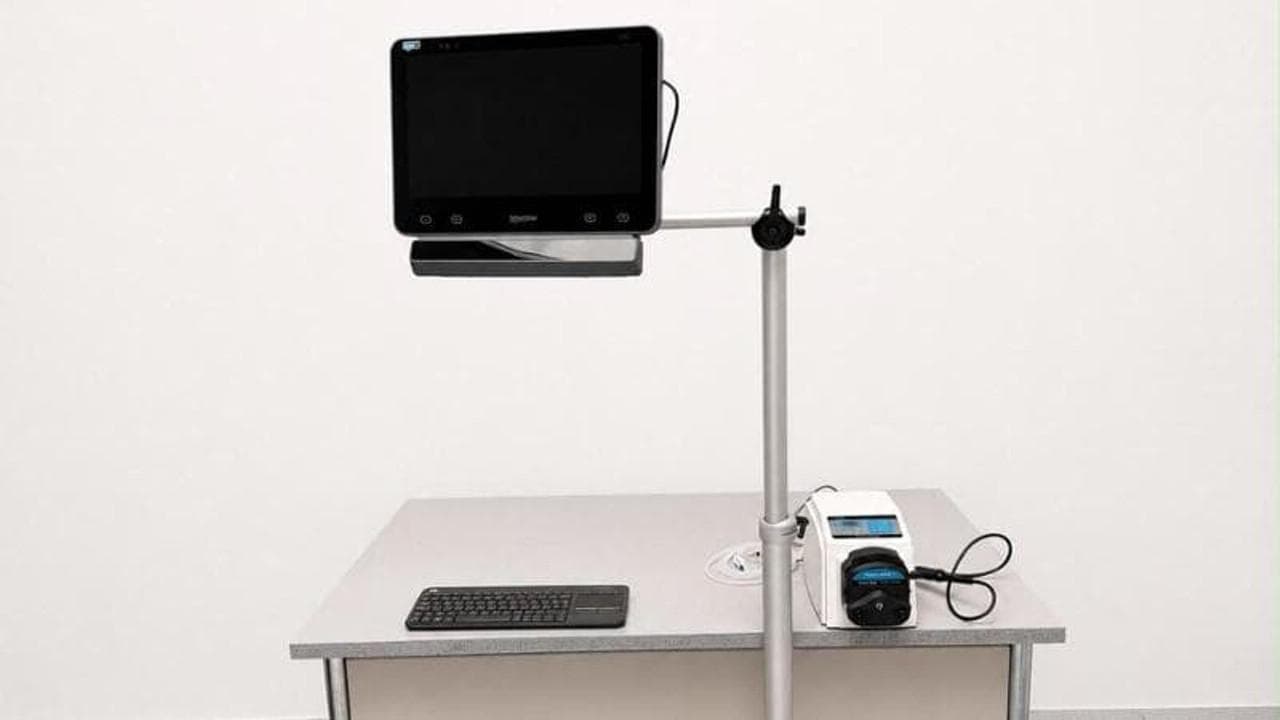
The Italian National Research Council (CNR) has launched an inquiry into the engineers who developed the machinery used by the "Libera" association for assisted suicide. This investigation follows criticism directed at CNR President Roberto Lenzi by opposition parties. The internal audit specifically seeks information from the head of the department, Campana, and one of his collaborators. The inquiry aims to ascertain the working hours dedicated to the project and the specific components utilized in the machinery's development. The "Libera" association is known for its involvement in facilitating assisted suicide procedures in Italy. This situation highlights the complex ethical and legal landscape surrounding end-of-life choices and the role of scientific institutions in such matters.
The CNR's internal audit into the engineers involved with the assisted suicide device raises questions about institutional oversight and the ethical boundaries of scientific research. The investigation's focus on labor hours and components suggests a concern with resource allocation and adherence to protocols, rather than a direct judgment on the ethical implications of the device itself. This situation underscores the tension between scientific advancement, organizational policy, and societal debates on sensitive issues like end-of-life care. Future governance frameworks may need to address clearer guidelines for research involving potentially controversial applications, ensuring transparency and accountability while respecting the autonomy of both researchers and individuals seeking end-of-life options.
AI-generated to prompt reflection — not editorial opinion, not advice, not a statement of fact. How this works.