Italian official likens Ceuta to Strait of Hormuz, highlighting strategic importance
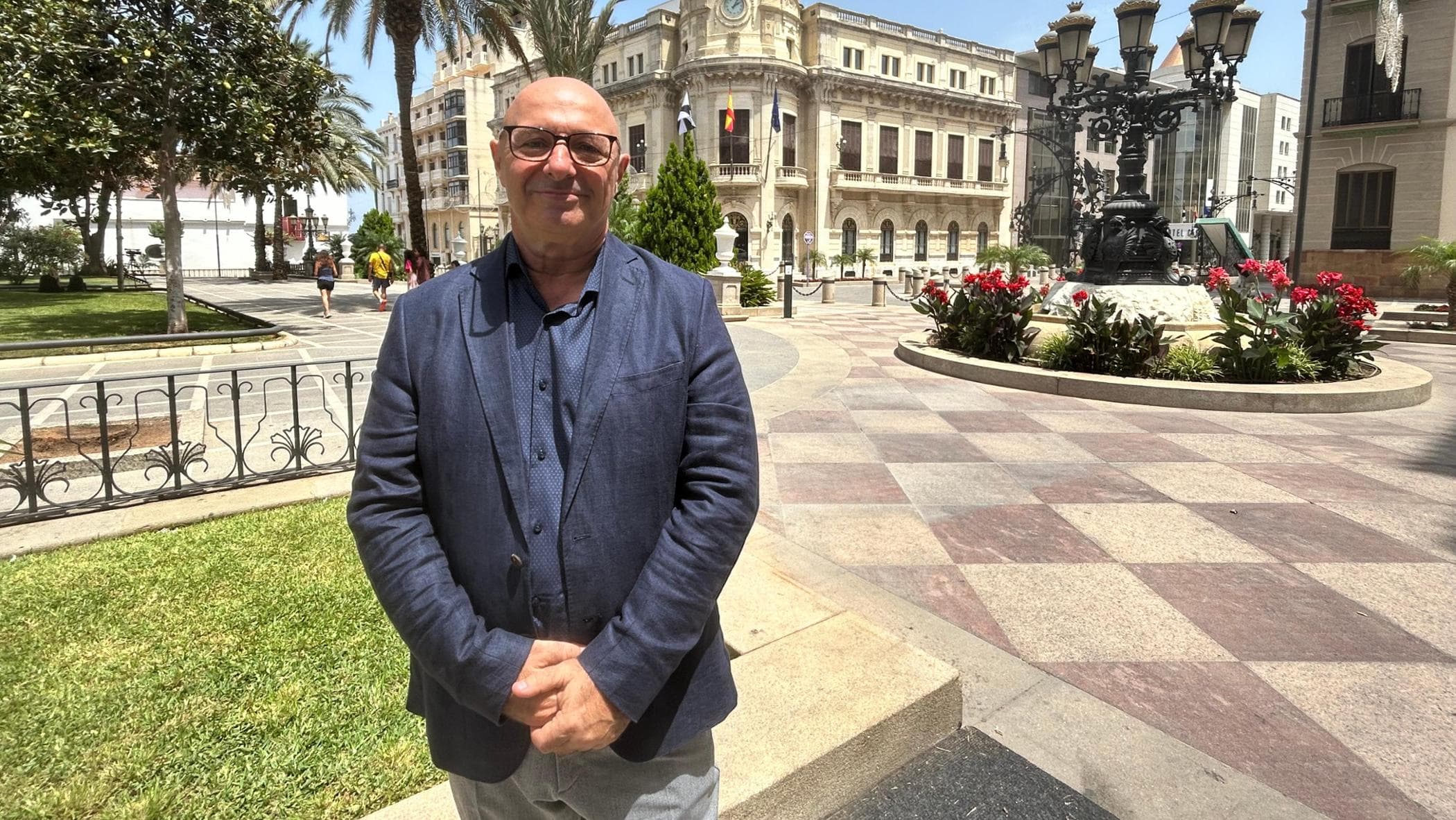
Nicola Cecchi, an Italian official in Ceuta, has described the Spanish exclave as strategically vital, drawing a parallel to the Strait of Hormuz. He noted that most migrants attempting to reach Ceuta are turned back in Morocco. Cecchi highlighted the diverse religious community in Ceuta, comprising Christians, Muslims, Jews, and Hindus. However, he emphasized that the core issue lies in who manages the exclave and its role in overseeing the Strait of Gibraltar, a critical global shipping route. Cecchi's remarks underscore the geopolitical significance of Ceuta's location.
The comparison of Ceuta to the Strait of Hormuz, a critical chokepoint for global oil trade, by an Italian official suggests a perception of its growing strategic importance. This perspective may stem from its unique geographical position controlling access between the Atlantic Ocean and the Mediterranean Sea, and its role as a frontier for European migration policy. The official's observation about migrant pushbacks in Morocco points to the complex and often harsh realities of border control and international cooperation in managing migratory flows. The mention of religious coexistence in Ceuta, while positive, is secondary to the primary geopolitical and strategic considerations raised. Future analyses should consider how evolving geopolitical dynamics and potential shifts in global trade routes might further elevate or diminish the perceived strategic value of such exclaves.
AI-generated to prompt reflection — not editorial opinion, not advice, not a statement of fact. How this works.