Italian Parliament Revisits Treaty Allowing Austrian Review of Bolzano Electoral Law
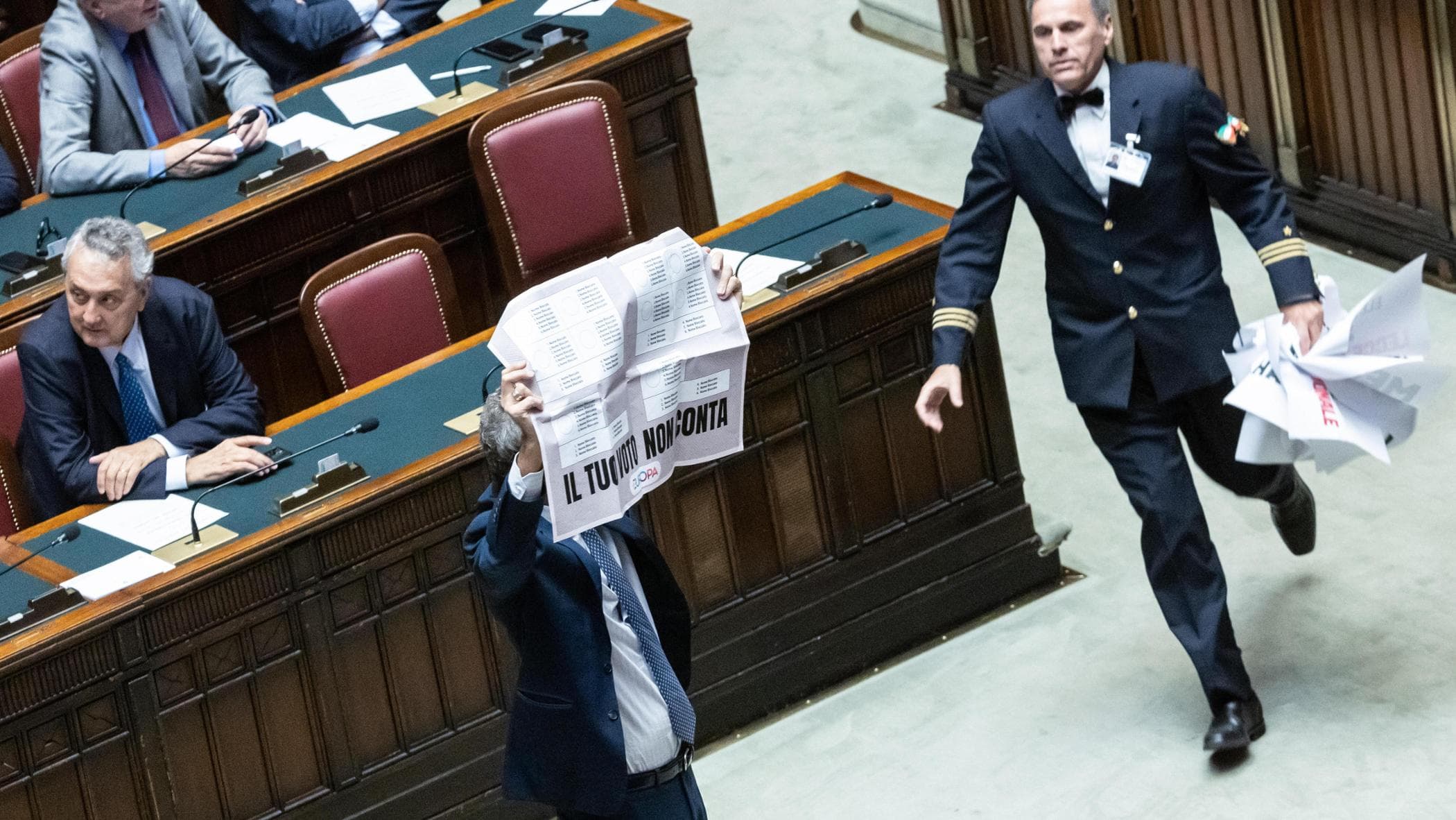
The Italian Chamber of Deputies has revived an old treaty that grants Austria the right to scrutinize the electoral law for the Bolzano constituency. This unexpected move, described as 'sovereignism in reverse,' allows Austrian authorities to have a say in how parliamentary representatives for the South Tyrol region are elected. The treaty, originally established to protect the German-speaking minority in the area, has been brought back into consideration, potentially impacting the political landscape of Bolzano. The decision has sparked debate about national sovereignty and minority rights within Italy. The specific details of the treaty and the extent of Austrian oversight are now under renewed scrutiny. This development comes at a time of heightened political sensitivity regarding regional autonomy and international agreements. The implications for future electoral processes in Bolzano and the broader relationship between Italy and Austria are yet to be fully understood.
The revival of this treaty presents a complex interplay between national sovereignty and the protection of linguistic minorities. While ostensibly aimed at safeguarding minority rights, the mechanism of external review over domestic electoral law raises questions about Italy's sovereign authority in defining its own political processes. This situation highlights the enduring legacy of historical agreements and their potential to resurface, challenging contemporary notions of state control. The decision may reflect a strategic approach to managing inter-state relations and minority concerns, but it also opens avenues for future diplomatic negotiations and potential challenges to electoral outcomes. Examining the incentives for both Italy and Austria in reactivating this treaty, particularly in light of evolving regional dynamics and the broader European context, will be crucial for understanding its long-term impact.
AI-generated to prompt reflection — not editorial opinion, not advice, not a statement of fact. How this works.