Italian Parliament's Right-Wing Votes Block Prosecutor Investigations
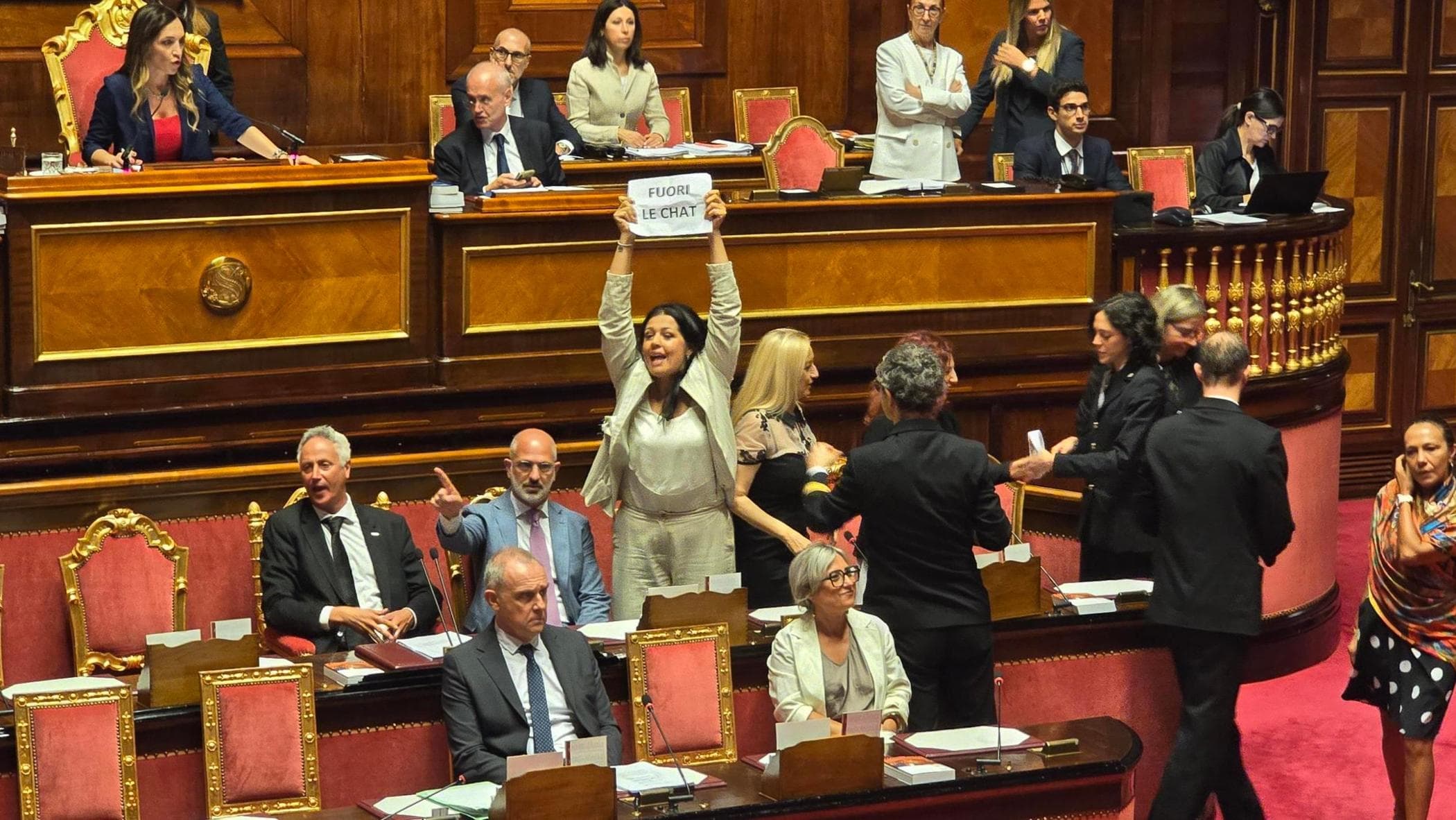
Since the beginning of the current legislative term, Italy's right-wing majority in Parliament has repeatedly voted against authorizing prosecutors to proceed with investigations. This pattern extends beyond the recent Delmastro case, involving numerous instances where access to chat messages and wiretaps has been denied to judicial authorities. These decisions have significantly hampered the ability of prosecutors to gather evidence and pursue legal inquiries across various cases. The repeated obstruction raises concerns about the independence of the judiciary and the potential for political interference in legal proceedings. The trend suggests a coordinated effort to shield individuals and potentially limit scrutiny of certain activities. The implications for transparency and accountability within the Italian legal system are substantial, as prosecutors find their investigative powers curtailed by parliamentary action. This situation underscores a growing tension between the executive and legislative branches and the judicial branch in Italy.
The Italian Parliament's repeated denial of authorization for prosecutorial investigations, particularly concerning the use of digital evidence like chats and wiretaps, presents a complex dynamic. This pattern, observed across multiple cases and involving the right-wing majority, raises questions about the balance of power between legislative oversight and judicial independence. From a governance perspective, such actions could be interpreted as an attempt to assert parliamentary control over judicial processes, potentially influenced by the political affiliations of those under investigation. The long-term implications may involve a recalibration of investigative powers, impacting the efficacy of anti-corruption and organized crime efforts. As AI continues to enhance surveillance and data analysis capabilities, the ability of judicial bodies to access and utilize digital evidence is becoming increasingly critical. Hindering this access could inadvertently create a less transparent environment, potentially creating systemic vulnerabilities that future technological advancements might exploit or, conversely, expose.
AI-generated to prompt reflection — not editorial opinion, not advice, not a statement of fact. How this works.