Italian Police Raid Luxury Brands Over Textile Worker Exploitation Allegations
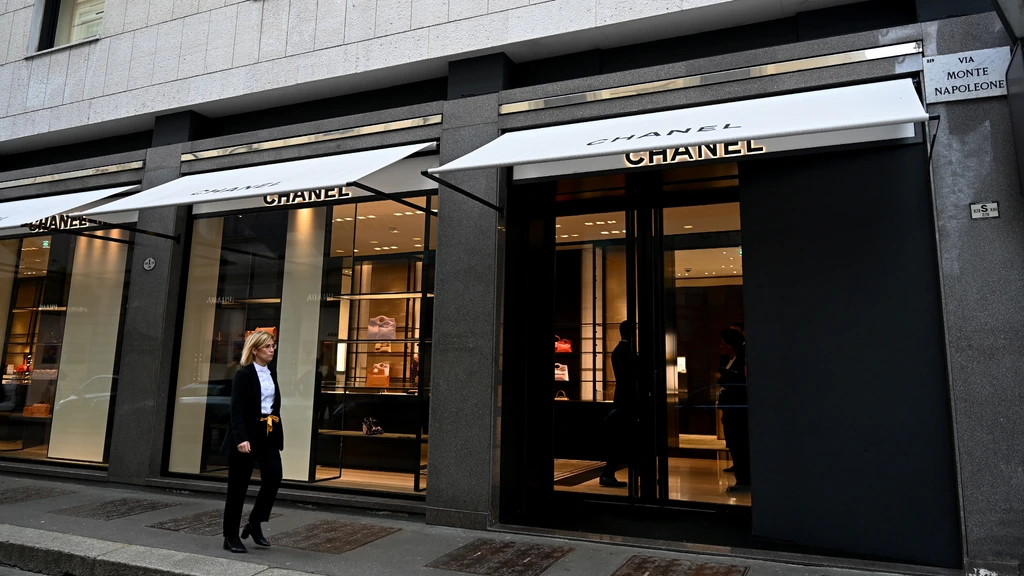
Italian police have conducted raids on the offices of eleven luxury fashion brands as part of an investigation into alleged complicity in the exploitation of textile workers. The Milan Public Prosecutor's Office confirmed the operations to business newspaper Il Sole 24 Ore, focusing on the production of bags. Among the brands involved are Chanel, Bulgari, Goyard, Moncler, and Brunello Cucinelli. These companies were required to hand over documents detailing their supply chains, including information on deliveries and working conditions. Prosecutors suspect the brands utilized subcontractors employing Chinese workers who were allegedly housed in inhumane conditions, paid extremely low wages, and worked in unsafe and unhygienic factories. Products bearing the logos of these fashion houses were found at two facilities near Milan that were previously searched in May, where undocumented workers were employed. In response, luxury brand Brunello Cucinelli expressed surprise and regret, stating they had paid fair prices and found no serious issues in their own documentation. The fashion houses must now explain the measures they have implemented to prevent exploitation within their production chains; failure to provide adequate measures could result in judicial oversight. This investigation follows similar raids in 2024 on Dior and Armani concerning bag and belt production, and broader inquiries into the Italian clothing industry last year involving Gucci, Prada, and Versace. The 'Made in Italy' label is facing increased scrutiny due to rising production costs and inadequate oversight, leading luxury companies to increasingly rely on Italian firms, often owned by Chinese nationals, that exploit migrant labor.
This series of raids highlights a systemic challenge within the global luxury goods supply chain, particularly concerning the 'Made in Italy' label. The investigations reveal a pattern where subcontracting, driven by cost pressures, can obscure exploitative labor practices at lower tiers of the production process. The focus on migrant workers and substandard conditions points to vulnerabilities in oversight mechanisms designed to uphold ethical manufacturing standards. While brands assert their commitment to fair practices, the repeated findings suggest a gap between stated policies and on-the-ground realities, necessitating more robust due diligence and transparent supply chain management. The potential for judicial oversight indicates a shift towards greater accountability, prompting the industry to re-evaluate its operational models to ensure compliance and prevent future exploitation in an era increasingly sensitive to corporate social responsibility.
AI-generated to prompt reflection — not editorial opinion, not advice, not a statement of fact. How this works.