Italian Politicians and Journalists Targeted by Signal Spyware
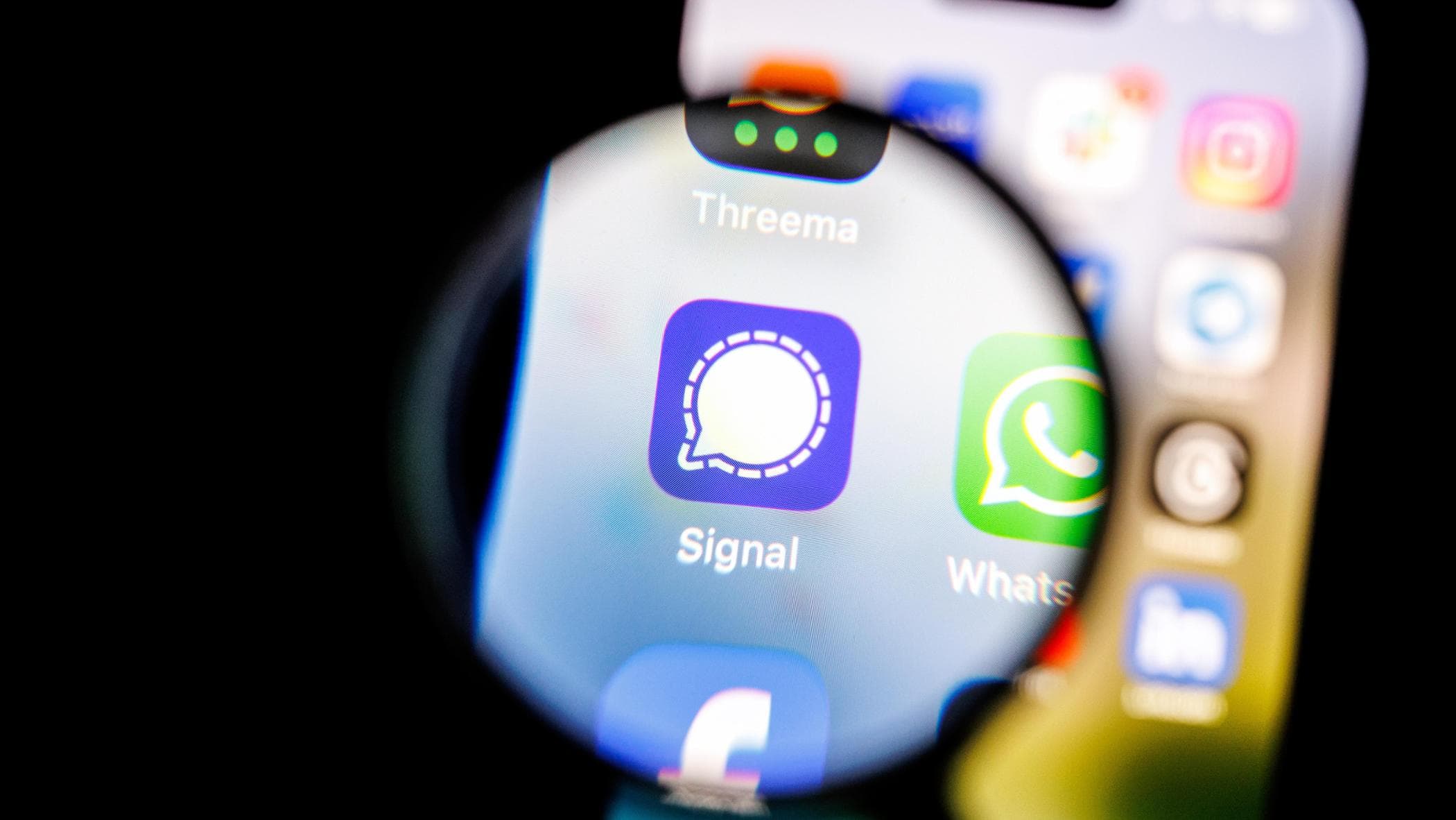
A sophisticated spyware operation has targeted Italian politicians and journalists, focusing on individuals with access to sensitive information. Unlike typical phishing campaigns that cast a wide net, this operation involved a curated list of high-profile individuals. The spyware was allegedly distributed through the Signal messaging application, a platform known for its strong encryption and privacy features. This attack highlights a new level of precision and intent in digital espionage against key figures in Italian society. The specific details of the spyware and the method of infection are still under investigation, but the implication is that attackers sought to gain access to confidential communications and data. The incident raises significant concerns about the security of private messaging apps and the vulnerability of individuals holding influential positions. Authorities are reportedly investigating the extent of the breach and identifying the perpetrators. The focus on a select group suggests a targeted effort to gather intelligence or disrupt political and journalistic activities. This event underscores the growing threat of state-sponsored or highly organized cyberattacks against democratic institutions and the free press.
This incident reveals a sophisticated cyber-espionage campaign leveraging a secure communication platform, Signal, to target Italian political and journalistic elites. The precision of selecting individuals with access to sensitive information, rather than a broad phishing approach, suggests a well-resourced and motivated actor, potentially a state or a highly organized criminal group. The use of Signal, typically considered a secure channel, indicates advanced methods to bypass its encryption or exploit vulnerabilities in user behavior or device security. This event underscores the evolving landscape of digital threats, where even end-to-end encrypted services can become vectors for targeted attacks. The implications extend to the broader challenge of safeguarding democratic discourse and investigative journalism in an era of pervasive surveillance capabilities. Future efforts may need to focus on multi-layered security strategies and user education regarding advanced persistent threats.
AI-generated to prompt reflection — not editorial opinion, not advice, not a statement of fact. How this works.