Italian Politicians React to Trump's Latest Attacks on Prime Minister Meloni
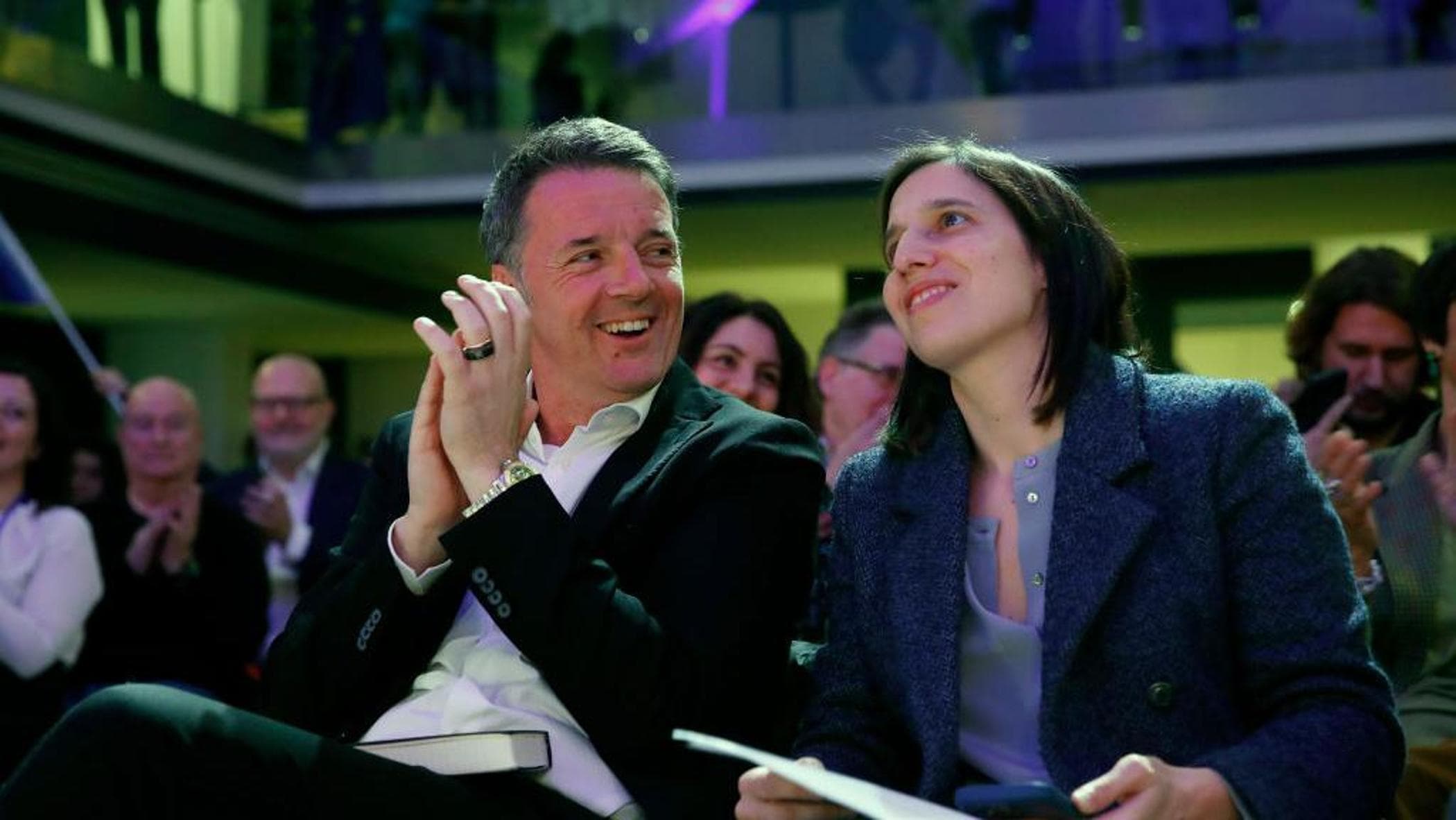
Italian political figures have voiced strong disapproval following recent critical remarks made by former U.S. President Donald Trump targeting Prime Minister Giorgia Meloni. Senator Matteo Renzi described Trump's statements as "infamous phrases," while Elly Schlein, the leader of the Democratic Party, deemed them "unacceptable." The controversy centers on memes and comments attributed to Trump that reportedly disparage the Italian Prime Minister. In response to the escalating political tension, several Italian ministers have attempted to downplay the significance of Trump's remarks. Defense Minister Guido Crosetto offered a perspective that transcends individual political figures, stating, "People pass, the U.S. remains," suggesting a focus on the enduring relationship between nations rather than transient political rhetoric. This incident highlights the sensitivity of international political discourse and the varying responses from different factions within the Italian government.
This event underscores the complex interplay between international political figures and domestic political discourse. While former President Trump's comments may be intended to influence perceptions, the varied reactions from Italian politicians reveal differing strategies for managing foreign criticism. Some, like Senators Renzi and Schlein, adopt a firm stance against perceived insults, prioritizing national dignity. Others, exemplified by Minister Crosetto, opt for a more measured approach, emphasizing long-term geopolitical stability over immediate political salvos. This dynamic illustrates the inherent tension between responding to perceived slights and maintaining pragmatic international relations, particularly in an era where social media can amplify such exchanges rapidly. The differing responses also reflect underlying political currents within Italy regarding its relationship with the United States and its own role on the global stage.
AI-generated to prompt reflection — not editorial opinion, not advice, not a statement of fact. How this works.