Italian President Warns Against Electoral Tensions Distracting From Key Issues
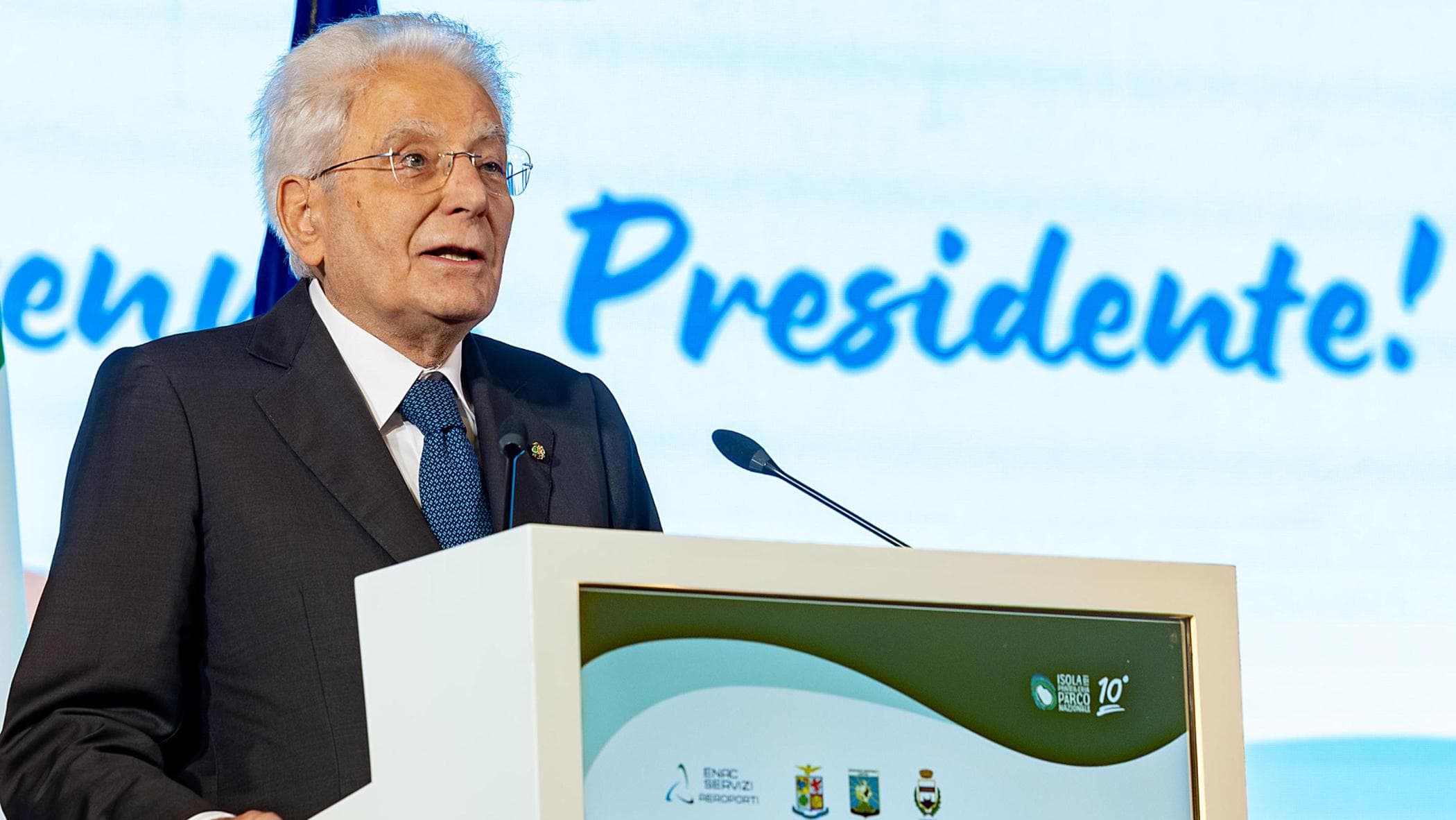
Italian President Sergio Mattarella has urged against allowing untimely electoral tensions to divert attention from pressing national problems. Speaking at the traditional "Cerimonia del Ventaglio" (Fan Ceremony) at the Quirinale Palace, Mattarella emphasized that violence poses a lethal threat to democracy. He stressed the importance of maintaining focus on substantive issues rather than getting sidetracked by political disputes. The President's remarks highlight a concern that internal political maneuvering could undermine progress on critical challenges facing the country. The "Cerimonia del Ventaglio" is an annual event where the President traditionally receives well-wishes from the press corps and offers reflections on the state of the nation. Mattarella's address this year underscored his commitment to ensuring that democratic processes remain robust and productive, free from the corrosive effects of undue political strife. He implied that a constructive political environment is essential for addressing the complex issues at hand.
President Mattarella's address highlights a recurring tension in democratic governance: the potential for electoral cycles and political maneuvering to overshadow substantive policy debates and problem-solving. By framing electoral tensions as "untimely" and violence as a "lethal virus for democracy," he implicitly critiques a political culture that may prioritize short-term political gains over long-term national well-being. This perspective encourages a focus on governance structures and incentive systems that reward constructive dialogue and evidence-based policymaking, rather than performative political conflict. In the context of an evolving global landscape, where complex challenges like climate change, technological disruption, and geopolitical instability demand unified national responses, such a call for focused, non-violent discourse is particularly relevant. The underlying challenge is to foster political accountability mechanisms that encourage leaders to address systemic issues effectively, even when immediate electoral pressures might suggest otherwise.
AI-generated to prompt reflection — not editorial opinion, not advice, not a statement of fact. How this works.