Italian Prison Director Advocates for Dignity and Rehabilitation Model
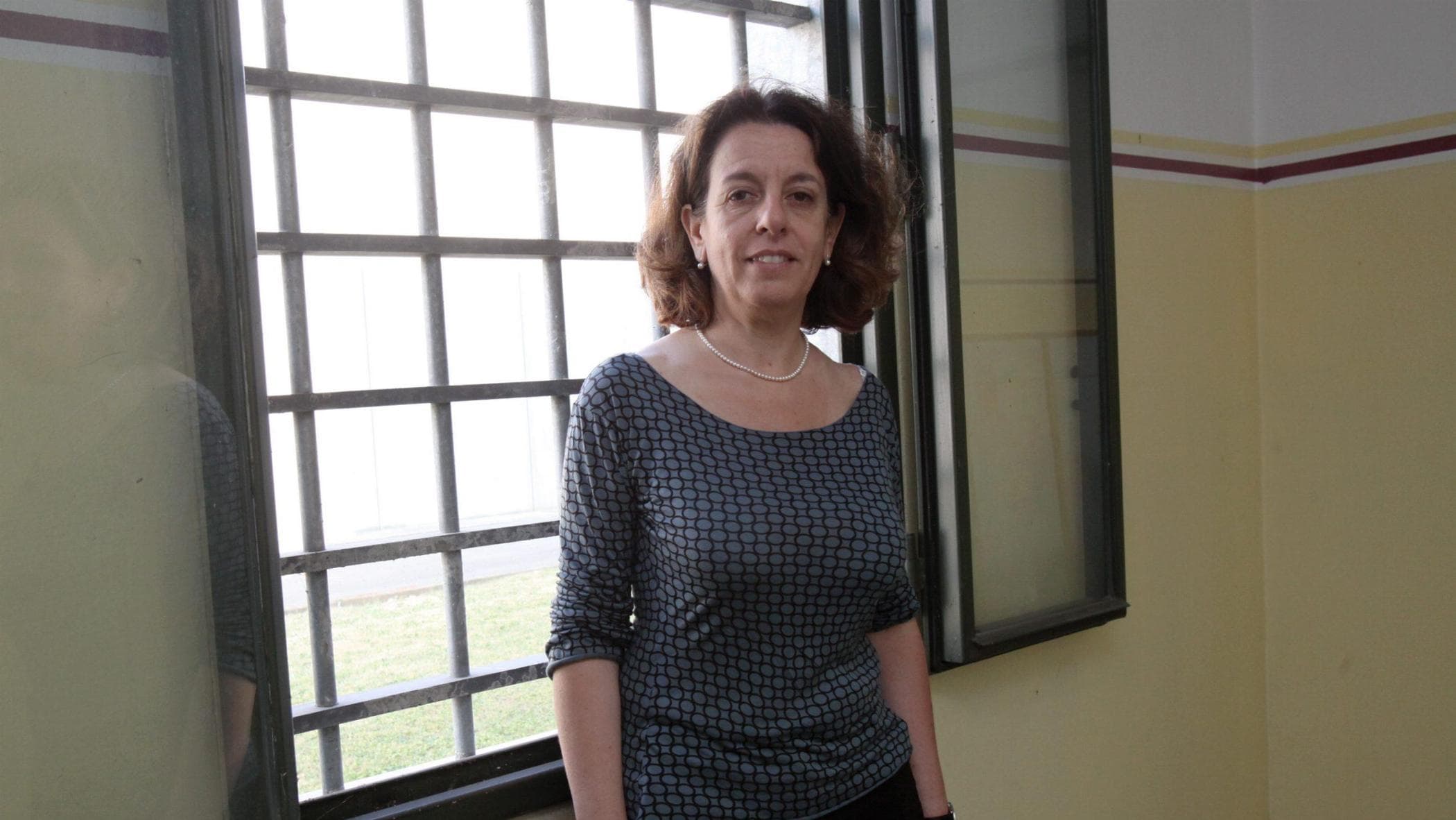
Lucia Castellano, the first female director of the Bollate prison in Milan, has spoken out about the facility's approach to inmate management. She emphasizes that Bollate is not a reward but a system designed to uphold the dignity of all prisoners, regardless of their sentence. Castellano advocates for the replication of this model across Italy, suggesting it offers a more humane and effective way to handle incarceration.
The prison's philosophy includes open cells for convicted individuals and the implementation of various rehabilitation projects. Castellano clarifies that Bollate is far from an 'Eden,' acknowledging the inherent difficulties of prison life. However, she firmly believes that the principles of dignity and opportunity for personal growth should be universally applied to all prisoners in Italy.
The Bollate prison model, as described by Director Lucia Castellano, presents a compelling case for a paradigm shift in correctional facilities. By focusing on open cells and rehabilitation projects for convicted individuals, it challenges the traditional punitive approach. This system's emphasis on dignity and personal growth, rather than mere confinement, could foster reduced recidivism and greater societal reintegration. The long-term implications of such a model, particularly in the context of evolving societal views on justice and the potential impact of AI on rehabilitation strategies, warrant careful consideration. Evaluating its scalability and effectiveness across diverse inmate populations and varying resource levels will be crucial for its broader adoption and success.
AI-generated to prompt reflection — not editorial opinion, not advice, not a statement of fact. How this works.