Italian Right-Wing Tactics to Undermine Gender Parity in Candidate Lists
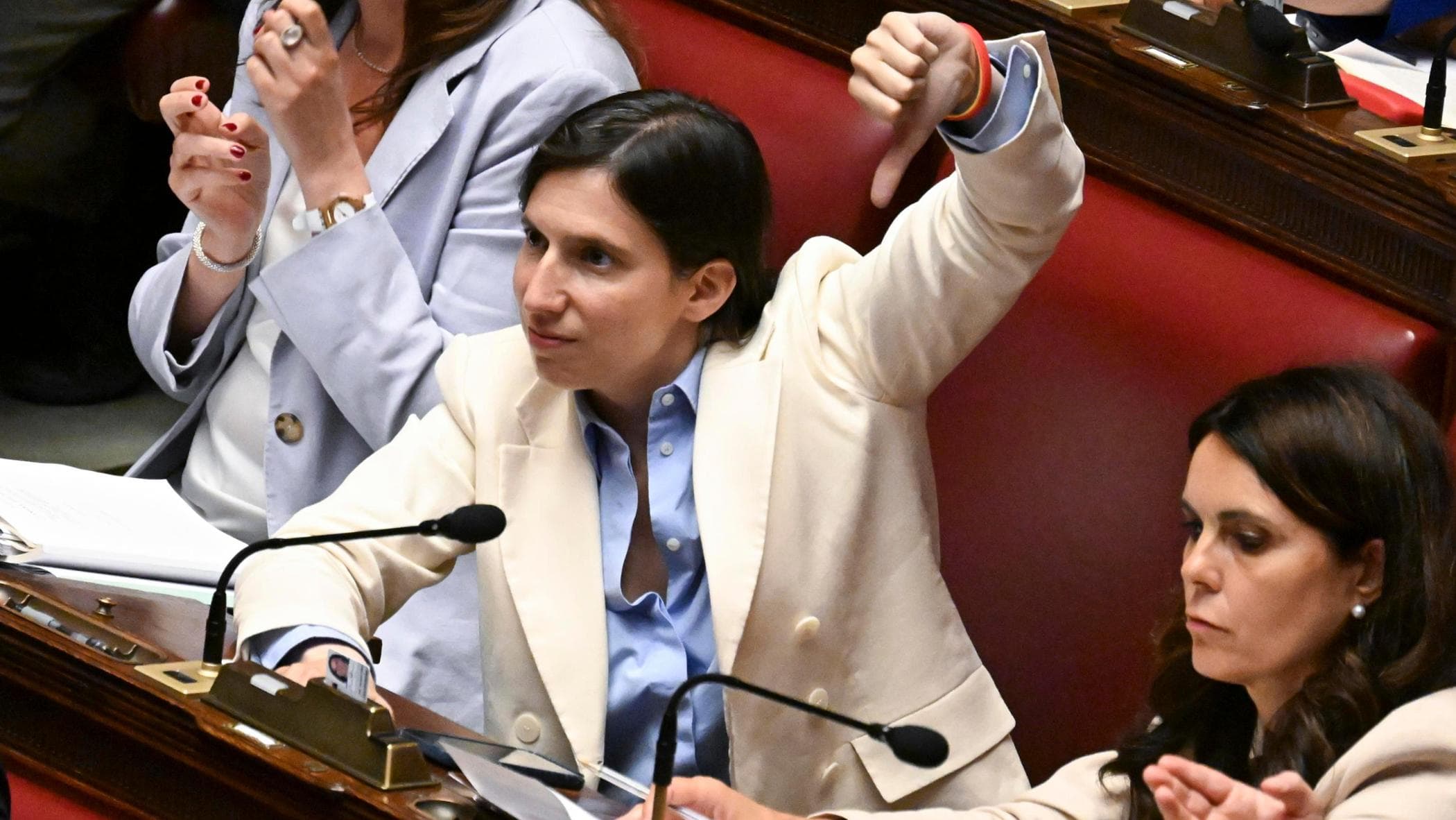
A proposed norm in Italy aimed at abolishing the obligation for gender alternation in candidate lists has been rejected. This rule would have eliminated the requirement for a 60% balance, allowing for greater flexibility in candidate selection. The debate in the chamber saw strong reactions from both sides. Proponents of the change argued that women's capabilities should be recognized without the need for mandatory quotas, suggesting that such measures are no longer necessary. Conversely, opponents decried the rejection, warning that it would effectively sideline women from political representation. The core of the dispute lies in the mechanism designed to ensure gender parity, with the rejected norm seeking to dismantle the existing 60% alternation rule. This legislative battle highlights ongoing tensions regarding gender representation in Italian politics and the methods used to achieve it.
The legislative debate in Italy over gender parity in candidate lists reflects a broader global tension between meritocratic ideals and affirmative action policies. While proponents argue for a system based purely on individual merit, potentially rendering quotas obsolete, opponents contend that systemic biases still necessitate such measures to ensure equitable representation. The rejection of the norm seeking to alter the 60% alternation rule suggests a political consensus, at least for now, on the continued need for legislative intervention to promote gender balance. The underlying incentive structure for political parties may shift from compliance with quotas to alternative strategies for candidate selection, potentially impacting the diversity of future political bodies. This situation prompts consideration of whether a focus on gender parity through quotas is a temporary corrective measure or a permanent fixture in democratic governance, especially as societal norms evolve and technological advancements reshape political engagement.
AI-generated to prompt reflection — not editorial opinion, not advice, not a statement of fact. How this works.