Italian Senate President La Russa Criticizes Opposition Leader Schlein Over TV Host Defense
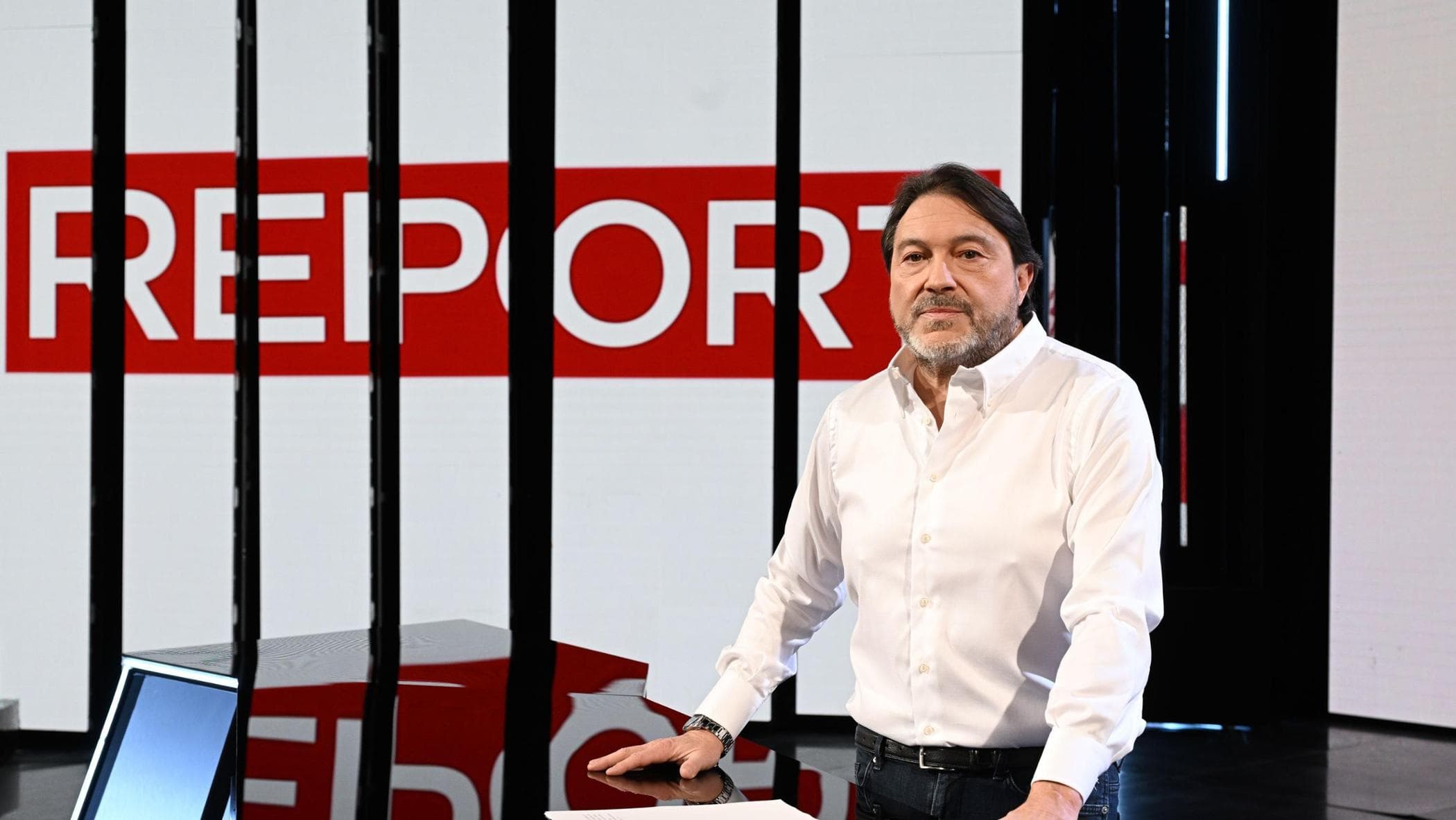
Italian Senate President Ignazio La Russa has publicly criticized Elly Schlein, the leader of the Democratic Party (PD), for defending TV host Corrado Ranucci. La Russa's remarks, described as embarrassing by some, suggest a political dispute over Ranucci's role and potential influences. The Democratic Party responded by telling La Russa not to act as a party leader, implying he should remain neutral. Meanwhile, members of the Brothers of Italy (FdI) party, to which La Russa belongs, are insisting on alleged links between television investigations and a 'faccendiere,' a term often used for a schemer or fixer. Ranucci himself has stated that he experienced no conditioning in his work. The editorial staff of the television program in question have expressed solidarity with Ranucci, forming a united front.
This exchange highlights the intersection of political discourse, media influence, and potential conflicts of interest in Italy. The criticism leveled by Senate President La Russa against PD leader Schlein, and the subsequent reactions from both the PD and FdI, suggest a broader political maneuver to frame narratives around media impartiality and alleged impropriety. The focus on a 'faccendiere' and 'conditioning' in television investigations points to concerns about transparency and the integrity of public information. Future scrutiny might involve examining the regulatory frameworks governing media conduct and political influence, particularly in the lead-up to electoral cycles. Understanding the incentive structures for media professionals and political actors involved in such disputes will be crucial for assessing the health of democratic discourse.
AI-generated to prompt reflection — not editorial opinion, not advice, not a statement of fact. How this works.