Italian Wages Stagnant Since 1990, Election Campaign Masks Reality
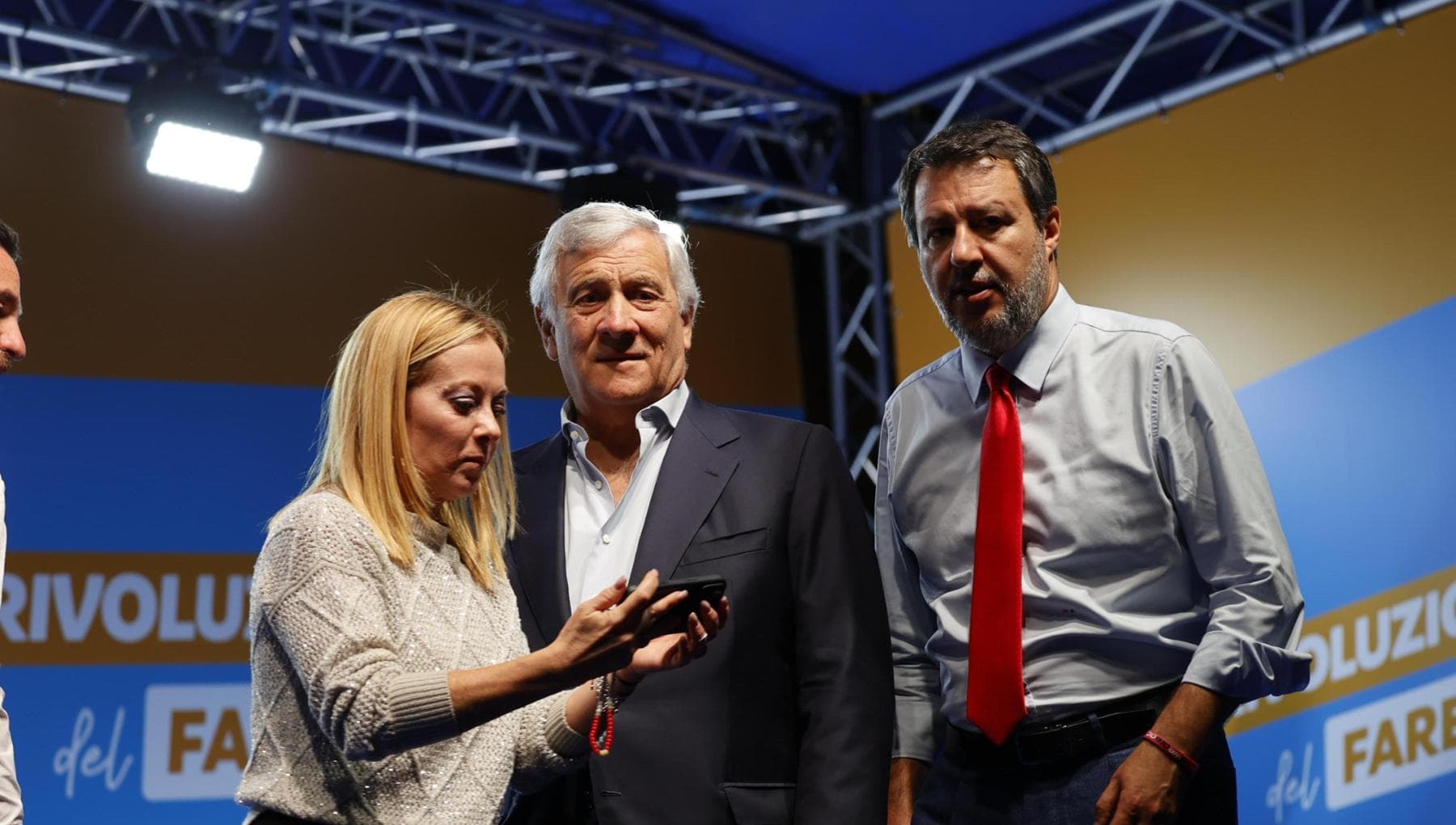
Despite the ongoing election campaign, Italian wages have remained stagnant at 1990 levels, a situation the government appears to be overlooking. Prime Minister Meloni and her ministers are promoting tax cuts and reductions in the personal income tax (Irpef) as solutions. However, research indicates that these measures are insufficient to reverse the long-term trend of wage stagnation. The government's focus on tax relief, while potentially offering some immediate benefit, does not address the fundamental issues contributing to the lack of wage growth over the past three decades. This disconnect between government rhetoric and economic reality raises concerns about the effectiveness of current policies in improving the financial well-being of Italian workers.
The juxtaposition of stagnant wage growth since 1990 with an active election campaign highlights a potential disconnect between immediate political messaging and long-term economic challenges. While tax cuts may provide a temporary stimulus, their efficacy in addressing deep-seated wage stagnation is debatable. Economic policy decisions made during electoral cycles can sometimes prioritize short-term gains over sustainable structural reforms. Examining the underlying factors contributing to decades of wage stagnation, such as productivity growth, labor market dynamics, and global economic trends, is crucial for developing effective strategies. Future policy interventions should aim to foster an environment where wages can grow in line with economic output and inflation, ensuring broader prosperity beyond electoral periods.
AI-generated to prompt reflection — not editorial opinion, not advice, not a statement of fact. How this works.