Italy Approves Fuel Network Reform, Drops Doggy Bag and Telemarketing Rules
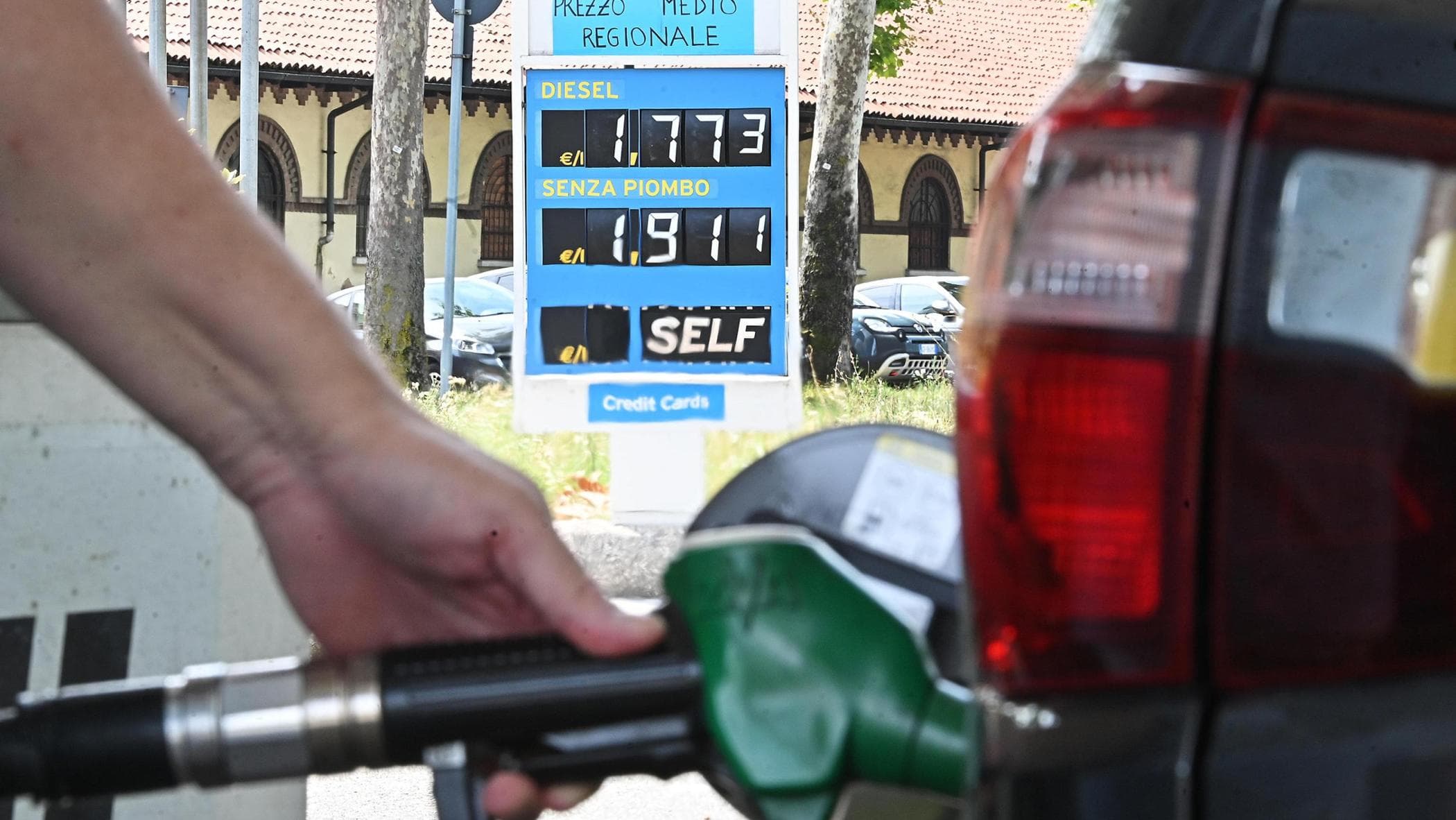
The Italian Council of Ministers has approved a new bill concerning the fuel network, but several provisions from the initial draft have been removed. The reform, which originated from the Ministry of Enterprises and Made in Italy (Mimit), no longer includes measures that would have guaranteed the right for customers to request a "doggy bag" for leftover food. Additionally, stricter regulations on telemarketing, initially planned, have also been excluded from the final approved text. The bill's progression indicates a shift in legislative priorities, with the focus now solely on the fuel sector's structural changes. Further details on the specific impacts of the fuel network reform are expected as the legislation moves through the parliamentary process. The exclusion of the "doggy bag" provision suggests a potential lack of consensus or perceived priority for consumer-facing food waste initiatives at this time. Similarly, the decision to omit telemarketing restrictions indicates a different approach to consumer protection in that specific area. The final version of the bill will be subject to parliamentary debate and potential amendments.
The legislative process in Italy has seen the removal of consumer-centric provisions, such as the "doggy bag" right and telemarketing restrictions, from a bill primarily focused on fuel network reform. This suggests a potential prioritization of core economic infrastructure over immediate consumer convenience or protection measures in certain sectors. The government's decision to streamline the bill may reflect an effort to expedite passage by focusing on less contentious or more economically impactful elements. Looking ahead, the exclusion of these consumer rights could indicate a broader trend in regulatory approaches, where market liberalization and industry-specific reforms take precedence, potentially leaving consumer protection in areas like food waste and unsolicited communications to be addressed through separate, or perhaps less stringent, legislative efforts. This approach warrants monitoring to understand its long-term implications for consumer empowerment and market fairness.
AI-generated to prompt reflection — not editorial opinion, not advice, not a statement of fact. How this works.