Italy Beach Bans Umbrellas Amid Heatwave, Sparking Controversy
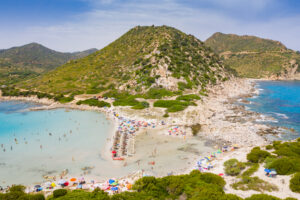
An Italian municipality has implemented a controversial restriction on one of Sardinia's most famous beaches, Punta Molentis. Visitors are now largely prohibited from using sun umbrellas on the beach, a measure reported by "Casa Vogue." This unusual restriction aims to mitigate the effects of mass tourism and reorganize the public space. The decision follows a significant forest fire that impacted the area. The ban comes into effect during a period of intense heat, with temperatures reaching 40 degrees Celsius, leaving many beachgoers exposed to direct sunlight. The measure has drawn criticism from visitors who question the practicality and necessity of such a rule, especially in high temperatures. Local authorities state the intention is to manage visitor flow and preserve the beach's environment, but the lack of shade presents a significant challenge for beachgoers seeking respite from the sun. The situation highlights a growing tension between managing popular tourist destinations and ensuring visitor comfort and safety.
The Italian municipality's decision to ban sun umbrellas on Punta Molentis beach, ostensibly to combat mass tourism and reorganize public space post-fire, presents a complex governance challenge. While aiming to preserve the environment and manage visitor impact, the measure creates a direct conflict with public comfort and safety during extreme heat, particularly with temperatures reaching 40 degrees Celsius. This policy raises questions about the municipality's risk assessment and its prioritization of environmental management over immediate human welfare. Future policy considerations might explore alternative methods for managing tourist flow and environmental impact that do not compromise visitor well-being, such as timed entry, designated shaded areas, or enhanced public transport to reduce individual vehicle impact. The long-term sustainability of such a popular destination may depend on balancing ecological preservation with the practical needs and expectations of its visitors.
AI-generated to prompt reflection — not editorial opinion, not advice, not a statement of fact. How this works.