Italy Considers Law to Return Art Looted by Nazis
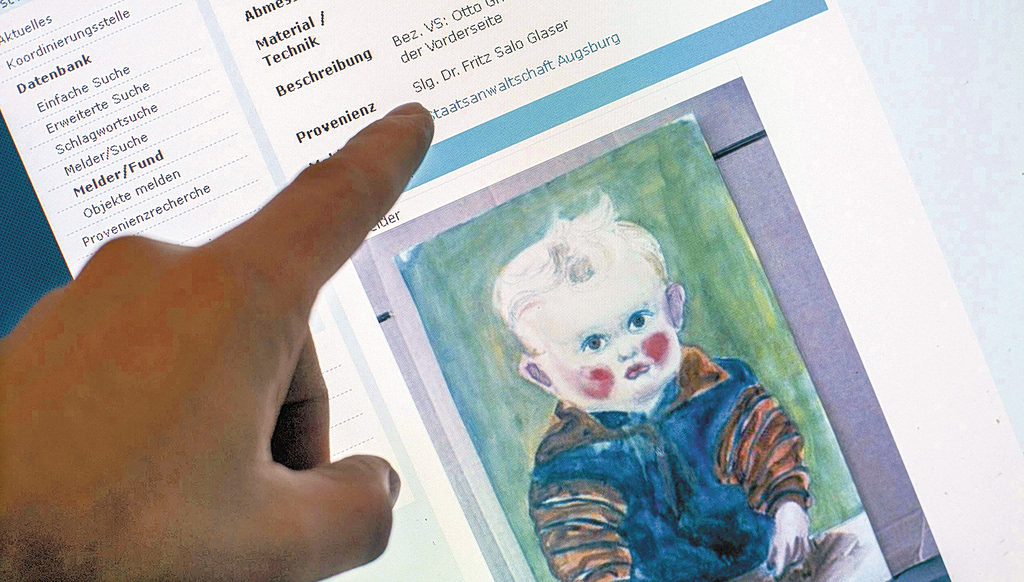
Italy's parliament is considering a new law that would establish an official mechanism for returning art and cultural property looted by the Nazis. This move is seen as a significant step toward rectifying historical injustices faced by Holocaust victims. The proposed legislation includes the formation of an independent committee tasked with reviewing claims and facilitating the restitution process. This initiative aims to address the widespread plundering of cultural heritage that occurred during the Nazi era. The committee's mandate would involve identifying looted items and working with relevant parties to ensure their return to their rightful owners or heirs. The bill represents Italy's commitment to confronting its past and honoring the victims of Nazi atrocities. It is expected to create a structured and transparent process for handling these complex restitution cases. The potential passage of this law marks a crucial development in the ongoing efforts to recover and return Nazi-looted art.
Italy's proposed legislation to return Nazi-looted art addresses a critical historical accountability gap. By establishing a formal restitution mechanism, the government signals a commitment to rectifying past wrongs and aligning with international norms on cultural heritage. This initiative could set a precedent for other nations grappling with similar legacies of looted artifacts. The effectiveness of the independent committee will be key, requiring robust investigative powers and transparent decision-making processes to navigate complex ownership claims and ensure fairness. This policy shift reflects evolving societal expectations regarding historical justice and the preservation of cultural memory, particularly in the context of the AI era's enhanced data analysis capabilities which may aid in tracking provenance.
AI-generated to prompt reflection — not editorial opinion, not advice, not a statement of fact. How this works.