Italy Dismisses Russian Claims of Ukrainian Attack After Moscow Restaurant Blast
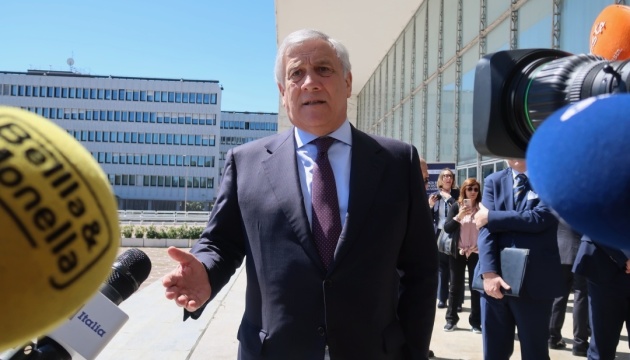
The Italian Ministry of Foreign Affairs has refuted Russian assertions that Ukraine was responsible for an explosion at a restaurant in Moscow. Russia's claims are seen as an attempt to intimidate Italians, particularly given Italy's strong support for Ukraine. This incident highlights ongoing geopolitical tensions and information warfare between Russia and Ukraine, with Italy finding itself a target of Russian propaganda due to its pro-Ukrainian stance. The Italian government's firm denial underscores its commitment to its alliance with Ukraine and its rejection of Russian narratives. The situation suggests Russia may be employing disinformation tactics to influence international opinion and sow discord among Ukraine's allies. Italy's response demonstrates a clear alignment with Western positions on the conflict.
The Russian Federation's attribution of the Moscow restaurant incident to Ukraine, met with swift denial by Italy's Ministry of Foreign Affairs, exemplifies a common tactic of geopolitical information warfare. By framing a domestic event as an external attack, particularly from a nation actively receiving support from the accused country, Moscow may aim to generate domestic solidarity, create diplomatic friction between allies, or deter further support for Ukraine. Italy's firm rejection of this narrative, emphasizing its pro-Ukrainian stance, signals an intent to resist such pressure and maintain its foreign policy alignment. This dynamic underscores the challenges of discerning factual events from politically motivated narratives in a conflict environment, where state actors leverage information to shape perceptions and influence international relations.
AI-generated to prompt reflection — not editorial opinion, not advice, not a statement of fact. How this works.