Italy Grapples with Rise of 'Cafone' Tourism in Beaches and Mountains
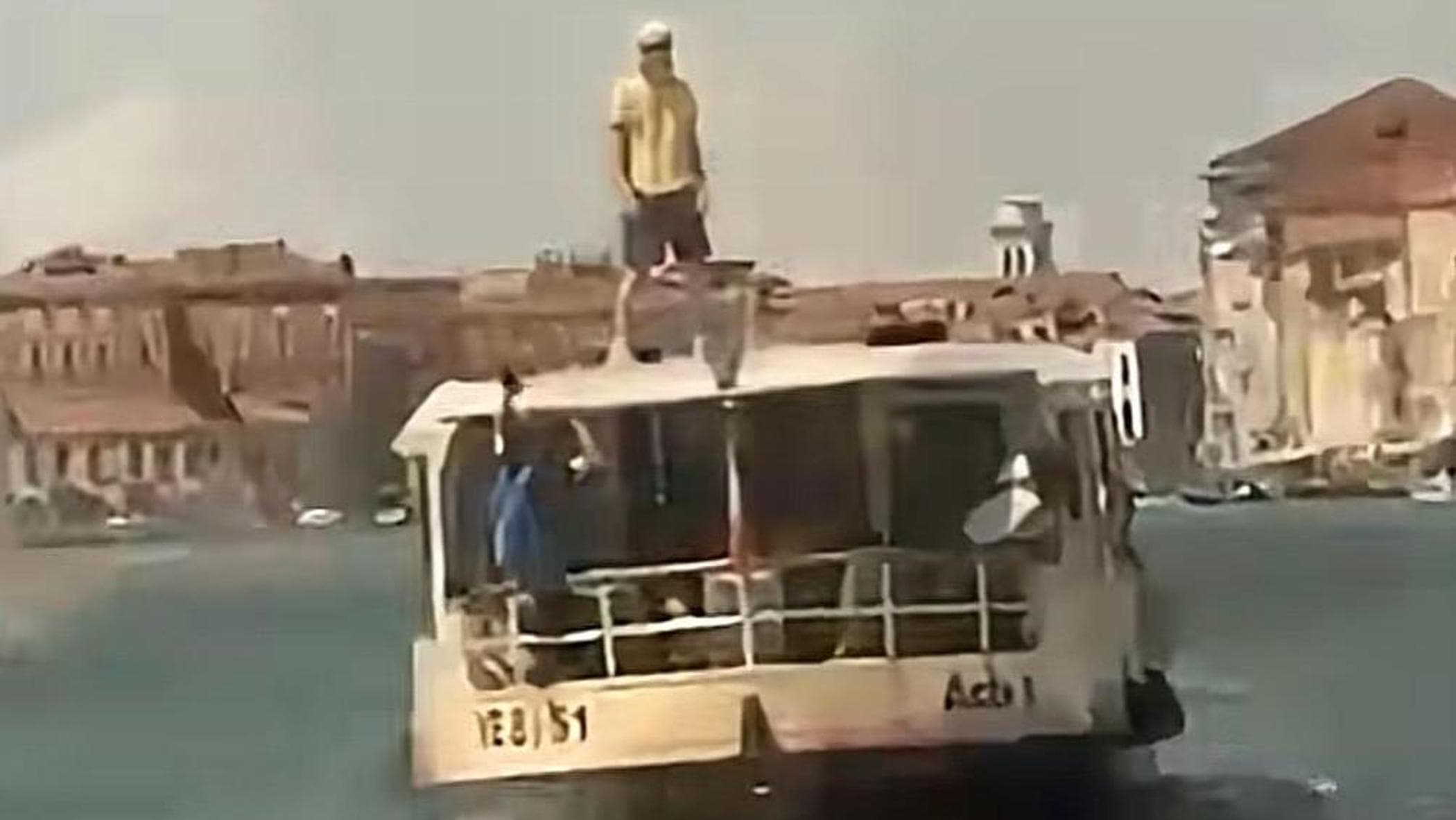
Italy is experiencing a surge in what is being described as 'cafone' tourism, characterized by disrespectful and disruptive behavior from visitors across its scenic landscapes. Recent incidents highlight this trend, including individuals hiking in the Dolomites wearing flip-flops, a young man standing on top of a Vaporetto in Venice's lagoon, and a rescue helicopter being obstructed by sunbathing tourists. These early summer occurrences point to a growing problem of tourists disregarding local norms and environmental sensitivities. The phenomenon spans both coastal areas and mountainous regions, suggesting a widespread issue rather than isolated events. Authorities and locals are increasingly concerned about the impact of such behavior on the environment, cultural heritage, and the overall experience for residents and respectful visitors. The 'cafone' tourist seems to prioritize personal convenience and novelty over adherence to local customs and safety regulations. This trend poses a challenge for Italy as it aims to balance tourism revenue with the preservation of its natural and cultural assets.
The emergence of 'cafone' tourism in Italy, marked by disregard for local customs and environments, reflects broader global challenges in managing mass tourism. As destinations become more accessible, the strain on infrastructure and cultural norms intensifies, particularly when visitor behavior prioritizes individual convenience over collective responsibility. This phenomenon highlights a tension between the economic benefits of tourism and the imperative to preserve natural and cultural heritage. Future tourism strategies will need to incorporate more robust visitor education, stricter enforcement of regulations, and potentially dynamic pricing or capacity management to mitigate negative impacts. Addressing this requires a systemic approach that considers the long-term sustainability of popular destinations in the face of evolving tourist demographics and expectations.
AI-generated to prompt reflection — not editorial opinion, not advice, not a statement of fact. How this works.