Italy Joins Bulgaria in Opposing EU Sanctions on Russian Patriarch Kirill
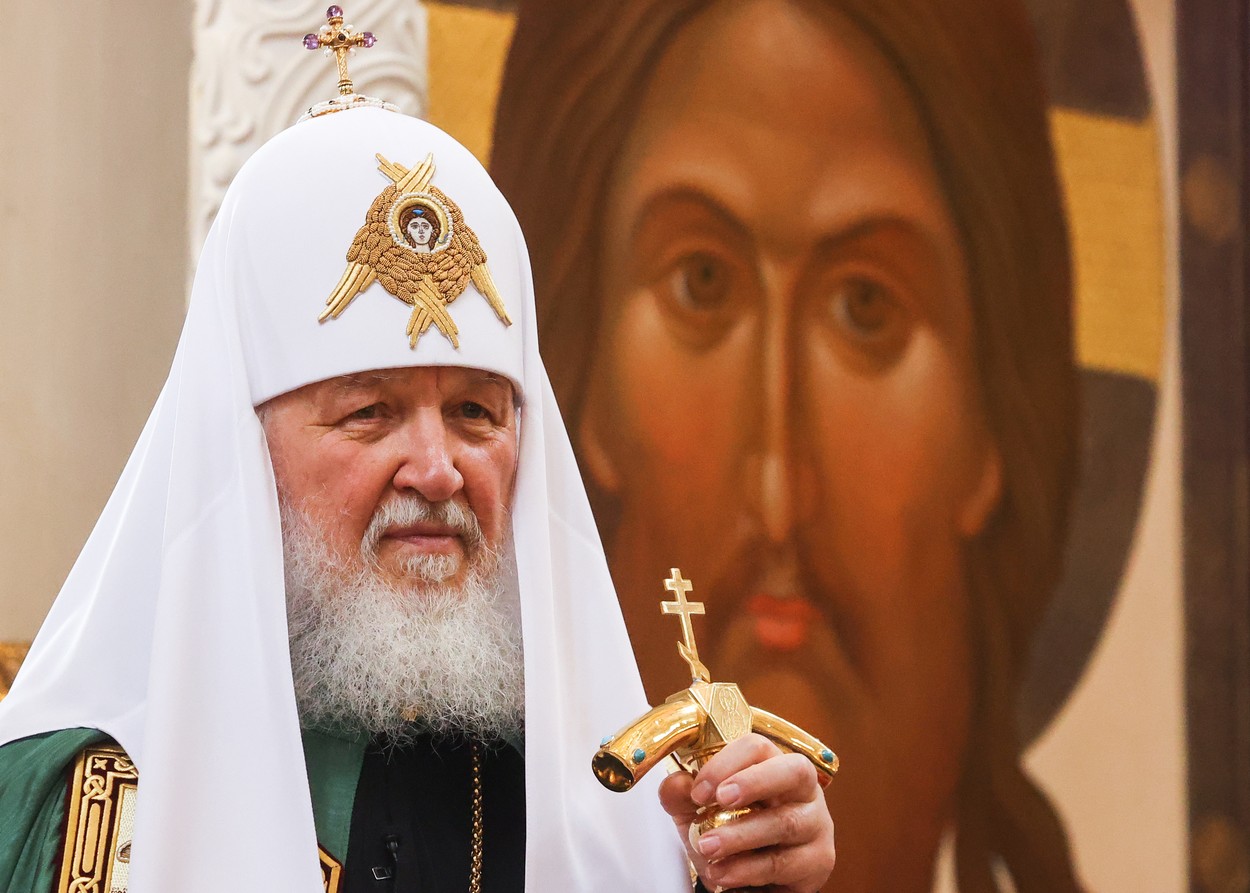
Italy has aligned itself with Bulgaria in objecting to the European Union's proposal to sanction Russian Patriarch Kirill. This opposition is part of the EU's 21st package of measures against Russia. European diplomats familiar with the ongoing negotiations reported this development, according to Novinite. The specific details of Italy's objections have not been fully disclosed, but the move signifies a divergence within the EU regarding the proposed sanctions. Bulgaria had previously voiced similar concerns, leading to a united front with Italy on this particular issue. The proposed sanctions against Patriarch Kirill are intended to be part of a broader strategy to exert pressure on Russia. The inclusion of religious figures in sanctions packages is a notable aspect of the EU's evolving approach. The outcome of these negotiations and the final composition of the 21st sanctions package remain to be seen, with Italy's stance potentially influencing the decision-making process.
The divergence among EU member states regarding sanctions against religious figures like Patriarch Kirill highlights the complex geopolitical considerations influencing bloc policy. While the stated intent is to pressure Russia, the inclusion of religious leaders raises questions about the effectiveness and potential unintended consequences of such measures. Different national interests and historical contexts likely shape individual member states' willingness to adopt stringent sanctions, particularly when they involve deeply ingrained cultural or religious symbols. This situation underscores the challenge of maintaining a unified foreign policy within the EU when faced with multifaceted international relations and diverse domestic sensitivities. Future policy decisions may need to more carefully balance the strategic objectives of sanctions with their broader societal and diplomatic implications.
AI-generated to prompt reflection — not editorial opinion, not advice, not a statement of fact. How this works.