Italy Promotes Slow Tourism with New Pilgrimage Routes
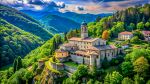
Italy is focusing on developing pilgrimage routes to boost slow tourism and stimulate regional economies. A key initiative is the "Franciscan Way," designed to attract pilgrims and encourage a more deliberate form of travel. This strategy aims to leverage the appeal of religious tourism to foster economic growth in local communities.
In addition to the Franciscan Way, plans are underway to establish a pilgrimage route dedicated to Pope John Paul II. These routes are part of a broader effort to diversify tourism offerings and promote sustainable development. By emphasizing walking and spiritual journeys, Italy hopes to draw visitors who appreciate cultural heritage and seek meaningful travel experiences.
Italy's strategic investment in pilgrimage routes like the Franciscan Way and a planned John Paul II trail reflects a growing global trend towards experiential and slow tourism. This approach seeks to decentralize economic benefits away from mass tourism hubs and distribute them into rural and historically significant areas, potentially fostering local entrepreneurship and cultural preservation. The success of these initiatives will likely depend on effective infrastructure development, marketing to target demographics, and ensuring the authenticity of the pilgrim experience. From a systemic perspective, this strategy could offer a model for other regions seeking to balance economic development with cultural and environmental sustainability, particularly as digital connectivity may enable more distributed forms of economic activity and community engagement.
AI-generated to prompt reflection — not editorial opinion, not advice, not a statement of fact. How this works.