Italy's Beach Resorts Face Uncertain Future Amid Rising Costs
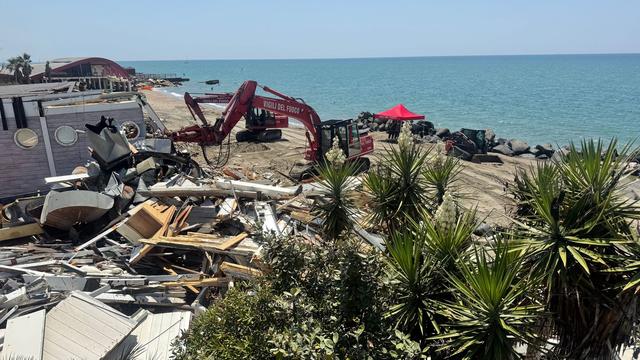
Italy's iconic beach resorts, known as 'stabilimenti balneari,' are facing significant challenges that threaten their future viability. These establishments, which have long been a staple of Italian summer culture, are grappling with increased operational costs and evolving regulations. The core issue revolves around the concessions granted for using public coastline, which are subject to European Union directives requiring competitive bidding processes. Many of these concessions have been held by the same families for generations, creating a complex legal and economic situation. The Italian government has been attempting to navigate these EU requirements while also protecting the existing businesses and the jobs they provide. However, the process has been slow and contentious, leading to uncertainty for owners and operators. The rising costs associated with maintaining these facilities, coupled with the pressure to re-tender concessions, are creating a difficult environment. This situation raises questions about whether these traditional beach clubs can adapt to new economic realities and legal frameworks, or if they will be replaced by different models of coastal access.
The future of Italy's beach resorts highlights a tension between established local economic models and broader European Union regulatory frameworks. The requirement for competitive bidding on public land concessions, intended to foster fair competition and efficient resource allocation, clashes with the historical, often family-run nature of these businesses. This situation presents a classic governance challenge: balancing the protection of existing economic actors and their employment contributions against the principles of open markets and equitable access to public resources. The prolonged uncertainty suggests that a more integrated approach, perhaps involving phased transitions or specific support mechanisms for concession holders meeting defined criteria, might be necessary to avoid significant disruption to local economies and cultural heritage. The long-term sustainability will likely depend on the adaptability of these businesses to potentially new operational models and pricing structures, influenced by both regulatory pressures and evolving consumer expectations in the digital age.
AI-generated to prompt reflection — not editorial opinion, not advice, not a statement of fact. How this works.
