Italy's Education Minister Valditara Faces Scrutiny Over School Inspections
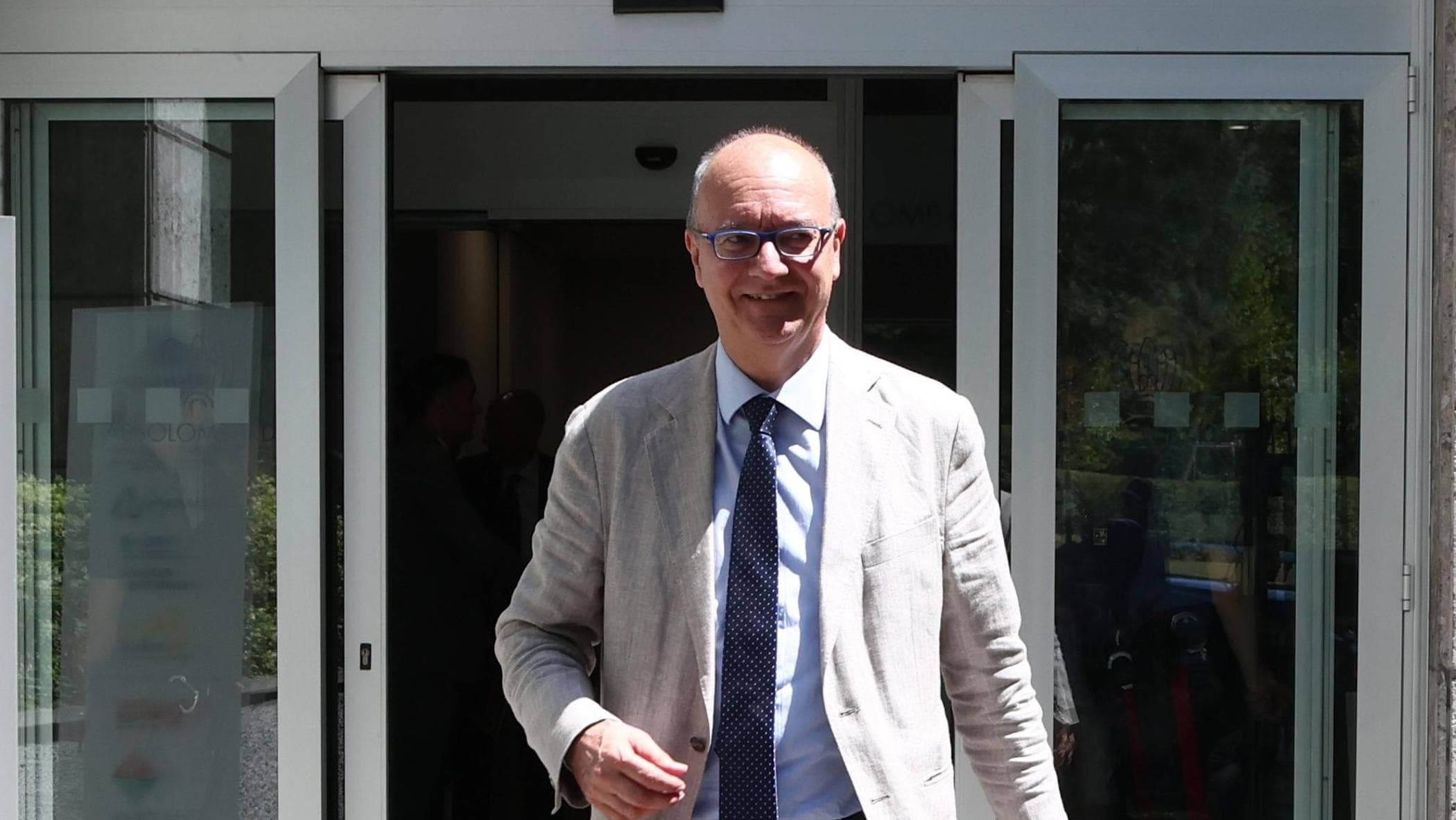
Italian Education Minister Giuseppe Valditara is under scrutiny for a series of inspections conducted in schools across the country. The recent case involves the Vivona high school in Rome, where an inspection was reportedly triggered by a letter concerning Gaza. Prior to this, the ministry had also focused on assemblies featuring Francesca Albanese and school trips to mosques. These actions have raised questions about the scope and purpose of the ministry's oversight in educational institutions. Critics suggest that these inspections may be politically motivated or an overreach of ministerial authority. The ministry, however, maintains that the inspections are aimed at ensuring adherence to educational standards and national values. The situation highlights a growing tension between the central government's control over education and the autonomy of schools. The specific incidents at Vivona high school, concerning the Gaza letter, and the attention given to Albanese's assemblies and mosque visits, suggest a pattern of intervention in topics deemed sensitive or controversial. The broader implications for academic freedom and the curriculum are now being debated.
The recent inspections in Italian schools, particularly those focusing on topics like Gaza, assemblies with Francesca Albanese, and mosque visits, suggest a potential pattern of central government oversight aimed at aligning educational content with national narratives or political sensitivities. This approach raises questions about the balance between state control and academic freedom, and whether such interventions might stifle open discussion on complex geopolitical issues. The minister's actions could be interpreted as an attempt to manage public discourse within educational settings, a strategy that may face challenges regarding established principles of pedagogical autonomy and freedom of expression. Looking ahead, the long-term impact on critical thinking and the development of informed citizenship will depend on whether these inspections foster a more controlled environment or encourage a more nuanced engagement with diverse perspectives.
AI-generated to prompt reflection — not editorial opinion, not advice, not a statement of fact. How this works.