Italy's First Spy Arrest Linked to Russian Data Requests on Ukraine Defense
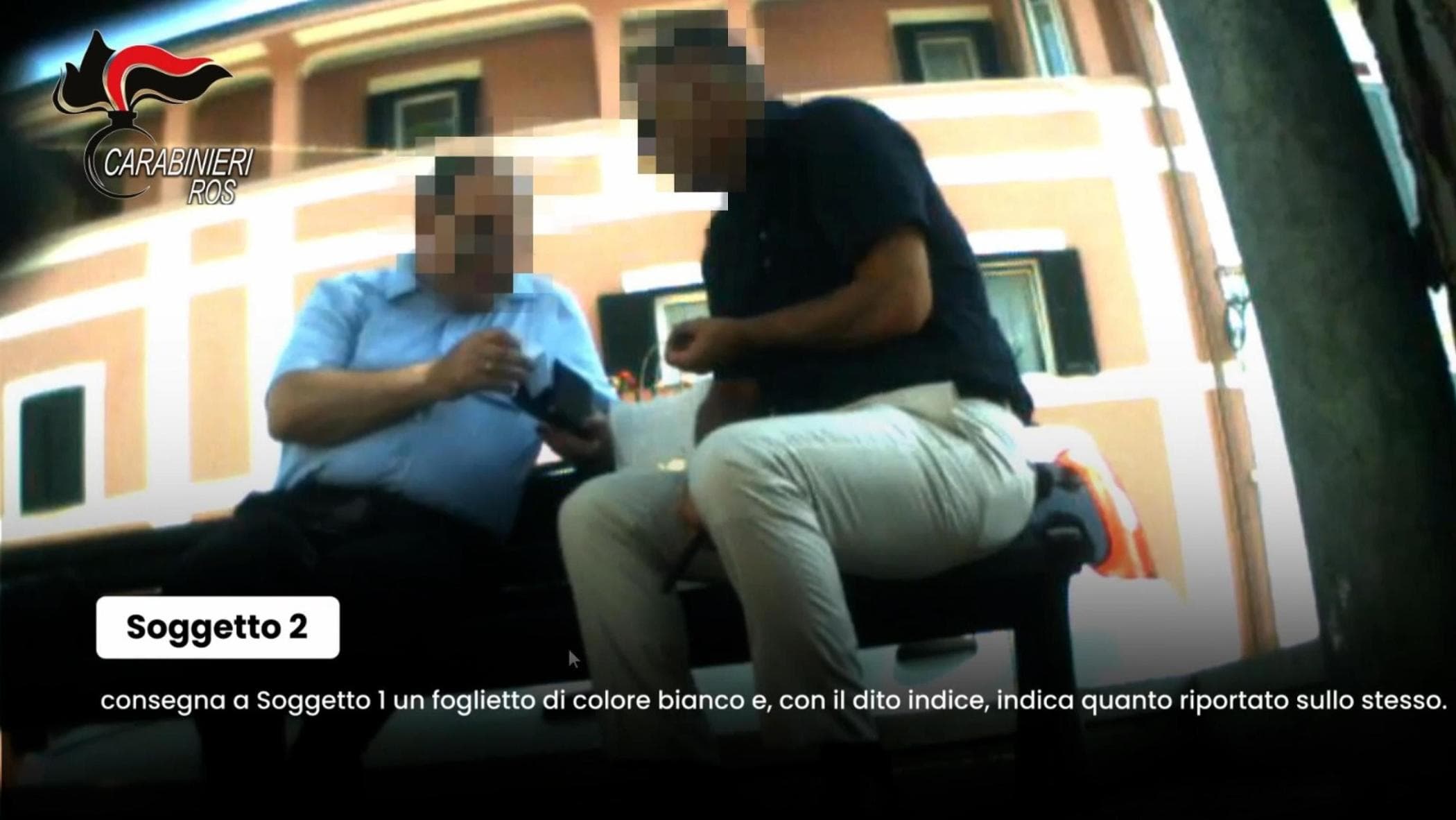
An Italian intelligence officer, Walter Biot, has been arrested in Rome, marking the first such detention of an Italian secret agent. The arrest is reportedly linked to allegations that Biot was providing classified information to Russia. Specifically, Russian intelligence allegedly requested data concerning the defense of Kyiv, including details on European rearmament efforts and Italian long-range missiles intended for Ukraine. Biot was apprehended while allegedly exchanging documents with a Russian contact. He is accused of espionage and treason. The incident has raised significant concerns within the Italian government and among its NATO allies regarding the security of sensitive defense information. Investigations are ongoing to determine the full extent of the alleged data leak and its potential impact on national security and international relations. The case highlights the persistent threat of foreign intelligence operations targeting Western military and strategic information, particularly in the context of the ongoing conflict in Ukraine.
This event underscores the persistent challenges in safeguarding classified defense information amidst geopolitical tensions. The alleged actions of the Italian intelligence officer, if proven, point to vulnerabilities in internal security protocols and the potential for foreign adversaries to exploit them for strategic advantage. The focus on data related to European rearmament and Italian missile capabilities for Ukraine suggests a targeted effort by Russia to gain insights into Western support for Kyiv. Future considerations should include enhanced vetting processes, robust counterintelligence measures, and secure data management systems to mitigate such risks. The incident also prompts reflection on the broader landscape of intelligence gathering and the evolving methods employed by state actors in an increasingly interconnected digital world.
AI-generated to prompt reflection — not editorial opinion, not advice, not a statement of fact. How this works.