Italy's Legislative Void on End-of-Life Decisions Filled by Other Institutions
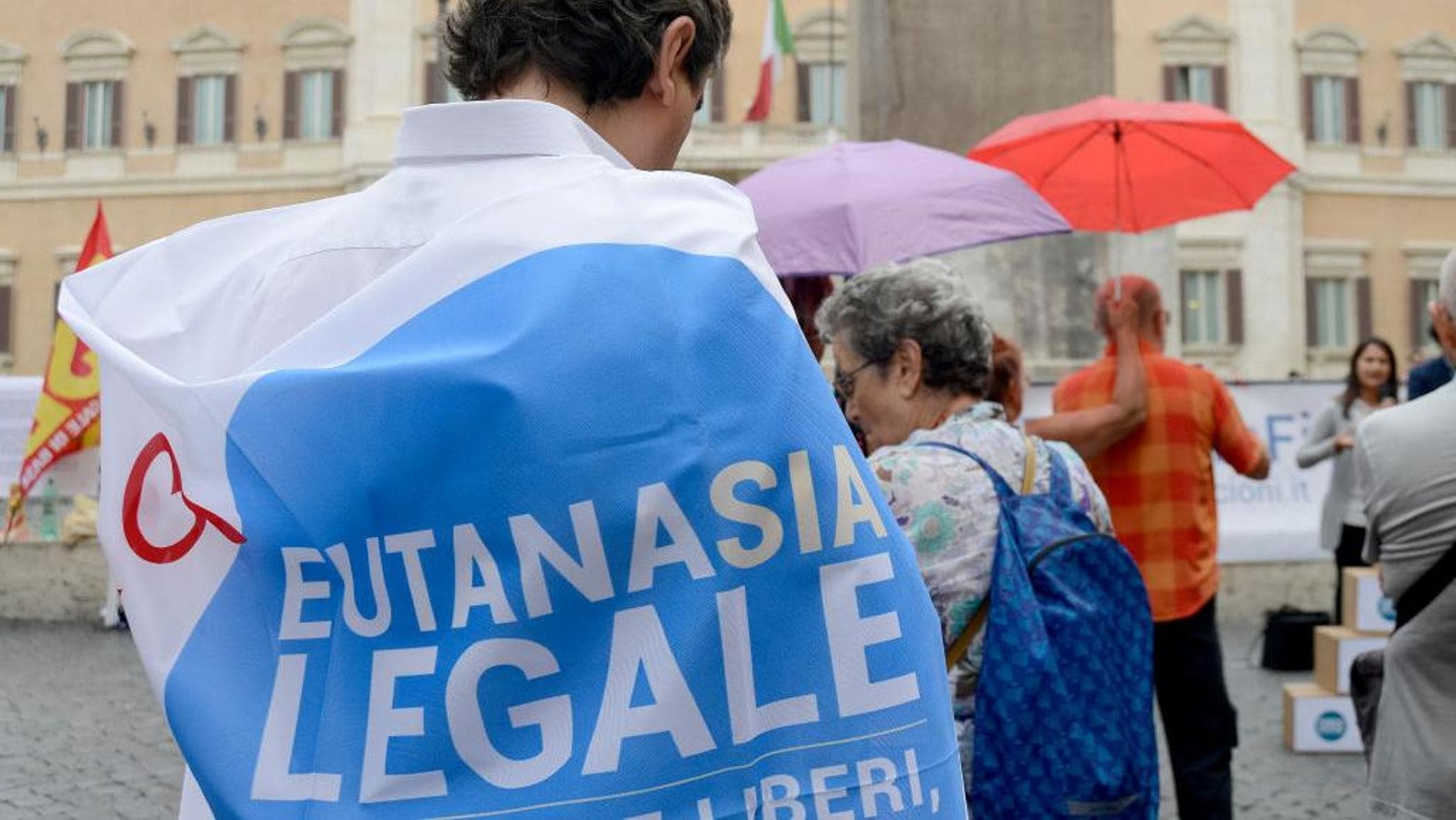
Italy is experiencing a significant legislative gap concerning end-of-life decisions, a critical issue that has been left unaddressed by the national parliament. In the absence of clear laws, other institutions are stepping in to fill this void as best they can. The Constitutional Court (Consulta) and various regional governments are actively involved in shaping policies and providing frameworks for these sensitive matters. This situation highlights a growing demand for legal clarity and established procedures for end-of-life care, including issues such as euthanasia and assisted suicide. The involvement of the judiciary and regional bodies suggests a societal push towards acknowledging and regulating these complex ethical and medical dilemmas. However, the reliance on non-legislative bodies indicates an ongoing struggle to achieve a comprehensive and unified national approach. The ongoing debate underscores the challenges in balancing individual autonomy with societal values and legal precedents. Ultimately, the current landscape reflects a system attempting to navigate profound moral questions without a guiding legislative hand.
The current situation in Italy, where legislative bodies have failed to address end-of-life decisions, leading to intervention by the Constitutional Court and regional governments, reveals a critical governance challenge. This institutional vacuum forces judicial and regional actors to interpret and apply existing legal principles to complex ethical scenarios, potentially leading to fragmented and inconsistent approaches across the country. The reliance on non-legislative branches for such a sensitive area suggests a broader societal tension between evolving ethical considerations regarding individual autonomy and the pace of legislative reform. Over the next decade, as advancements in medical technology and changing societal values continue to shape end-of-life discussions, the need for a clear, national legislative framework will likely intensify. This will be crucial for ensuring equitable access to care, protecting vulnerable individuals, and providing legal certainty for healthcare providers and citizens alike, while navigating the inherent complexities of human dignity and suffering.
AI-generated to prompt reflection — not editorial opinion, not advice, not a statement of fact. How this works.