Italy's New Electoral Law: Proportional System and Blocked Lists Explained
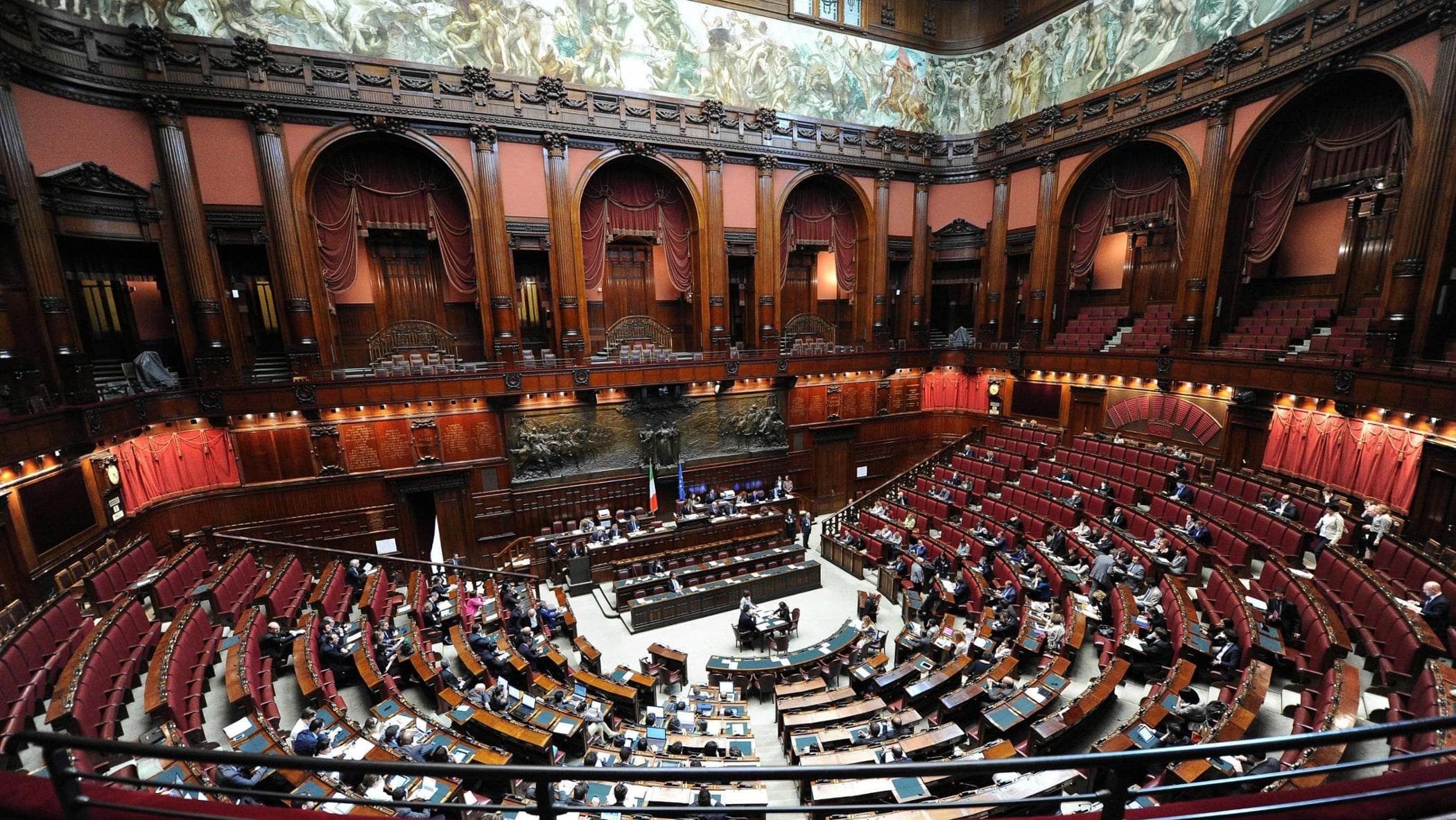
The Italian government, led by Prime Minister Giorgia Meloni, has introduced a new electoral law that alters the country's voting system. Under the new legislation, a pure proportional representation system will be implemented if no single party or coalition achieves 42% of the vote. This threshold is a key component of the reform, aiming to ensure a clear majority or mandate for governing parties. A significant change introduced by this law is the elimination of preferential voting. Instead, voters will encounter blocked lists, meaning they cannot choose specific candidates within a party. The party's leadership will determine the order of candidates on these lists. This move is expected to strengthen party discipline and potentially reduce the influence of individual politicians over their electoral fate. The new law's provisions are designed to streamline coalition formation and governance, though its long-term impact on voter engagement and political representation remains to be seen.
This electoral reform shifts Italy towards a more centralized party control by eliminating preferential voting and introducing blocked lists. While intended to foster stability and clear mandates, this system may reduce direct voter influence on candidate selection, potentially concentrating power within party hierarchies. The 42% threshold for a pure proportional system suggests a preference for decisive electoral outcomes, but could also lead to protracted negotiations if no bloc reaches this mark. Future implications may involve shifts in campaign strategies, focusing more on party platforms than individual candidate appeal, and could influence the dynamics between national party leadership and local political representation in the coming decade.
AI-generated to prompt reflection — not editorial opinion, not advice, not a statement of fact. How this works.