Italy's Parmesan Cheese Region Faces Threat from Extreme Heat
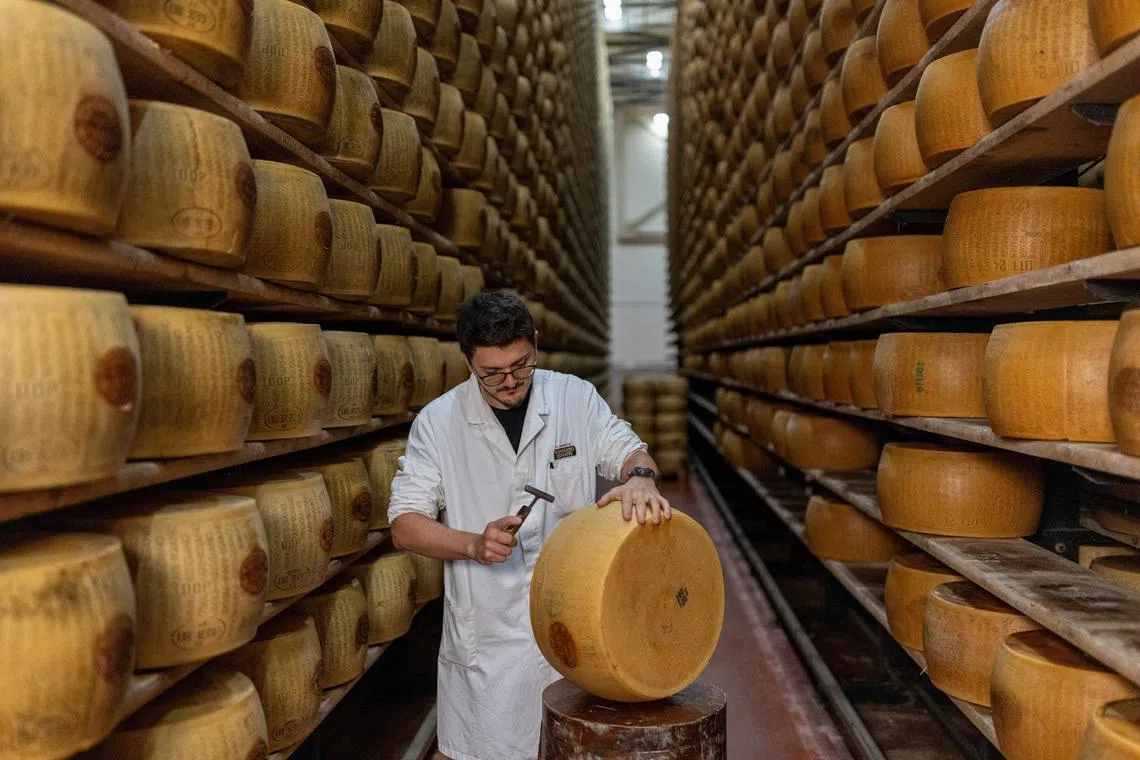
Farmers in Italy's Emilia-Romagna region, the heartland of Parmesan cheese production, are facing significant challenges due to extreme heat. Historically, farmers would open barn windows at night during the summer to cool their cattle. However, recent heatwaves have made this practice insufficient to protect the animals and maintain optimal conditions for milk production. The intense temperatures are impacting the health and well-being of the dairy cows, which are essential for producing the high-quality milk required for Parmigiano Reggiano. This situation raises concerns about the future of this iconic Italian cheese, as climate change increasingly affects agricultural practices and food production in the region. The traditional methods of animal husbandry are being tested by unprecedented weather patterns, potentially jeopardizing yields and quality.
The escalating heatwaves in Italy's Emilia-Romagna region highlight the vulnerability of traditional agricultural systems to climate change. The reliance on historical cooling methods for dairy cattle is proving inadequate, signaling a need for adaptive strategies in animal husbandry and farm management. This situation underscores the broader challenge facing the global food industry: balancing iconic product preservation with environmental shifts. Future resilience will likely depend on technological integration, such as advanced climate control systems, and potentially a re-evaluation of production scales or locations to mitigate climate-related risks. The long-term economic viability of regions dependent on specific agricultural outputs may require proactive diversification and investment in climate-resilient infrastructure.
AI-generated to prompt reflection — not editorial opinion, not advice, not a statement of fact. How this works.