Italy's Shift: From Mediterranean Diet Model to Childhood Obesity Crisis
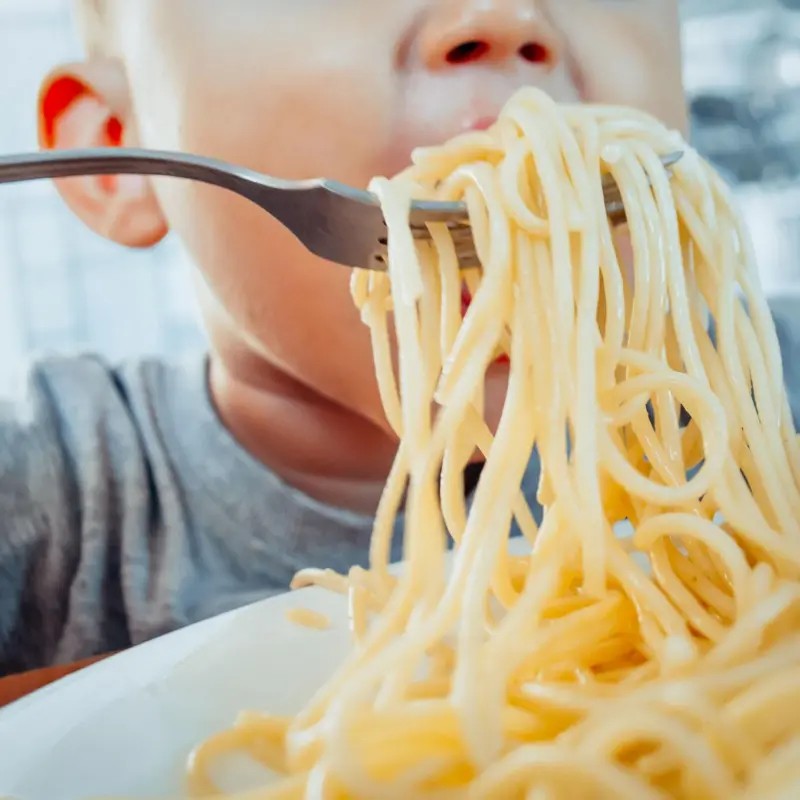
Italy, once lauded as a paragon of healthy eating due to its traditional Mediterranean diet, is now grappling with a significant surge in childhood obesity. Salvatore, a 17-year-old weighing 170 kg, exemplifies the severity of the issue, facing mobility challenges and awaiting bariatric surgery. In regions like Campania, over 40% of eight and nine-year-olds are overweight, with Ponticelli, near Naples, becoming a global hotspot for childhood obesity. This stark contrast to its historical reputation is alarming, as Italian children now rank among Europe's most overweight, according to the WHO. Dr. Sonja Chiappetta notes a disturbing trend of younger patients requiring treatment for severe obesity, with some as young as 16. The traditional Mediterranean diet, characterized by vegetables, olive oil, and fish, has been largely abandoned, with only about 10% of Italians adhering to it. Modern Italian diets are often dominated by ultra-processed snacks, pizza, pasta, and bread, contributing to a rise in pediatric obesity. Dr. Roberto Berni Canani reports treating children as young as two or three years old who are significantly overweight, often with parents unaware of the problem. This shift is attributed to a combination of factors, including the prevalence of calorie-dense snacks, sugary drinks, and a lack of fruits and vegetables, compounded by a cultural perception where chubby children are seen as healthy. Schools, often housed in older buildings unsuited for modern physical education, struggle to promote activity. Educational initiatives are underway, with over 17,000 students in 25 schools participating in nutrition workshops, though some students express skepticism about the effectiveness of information alone in changing ingrained habits.
The narrative highlights a systemic shift in dietary patterns within Italy, moving away from the health-promoting Mediterranean diet towards a consumption of ultra-processed foods. This transition, driven by evolving food availability and potentially changing cultural norms around food and health, has led to a public health crisis of childhood obesity. The analysis suggests that while individual choices play a role, the broader food environment and deeply ingrained cultural perceptions regarding children's weight are significant contributing factors. Future interventions may need to address not only nutritional education but also the accessibility and marketing of less healthy options, alongside a re-evaluation of cultural indicators of health. The challenge lies in reversing decades of ingrained habits and adapting to a globalized food landscape while preserving the essence of traditional healthy eating.
AI-generated to prompt reflection — not editorial opinion, not advice, not a statement of fact. How this works.