Italy Seeks Funds for Excise Duty Relief, Prioritizing Diesel
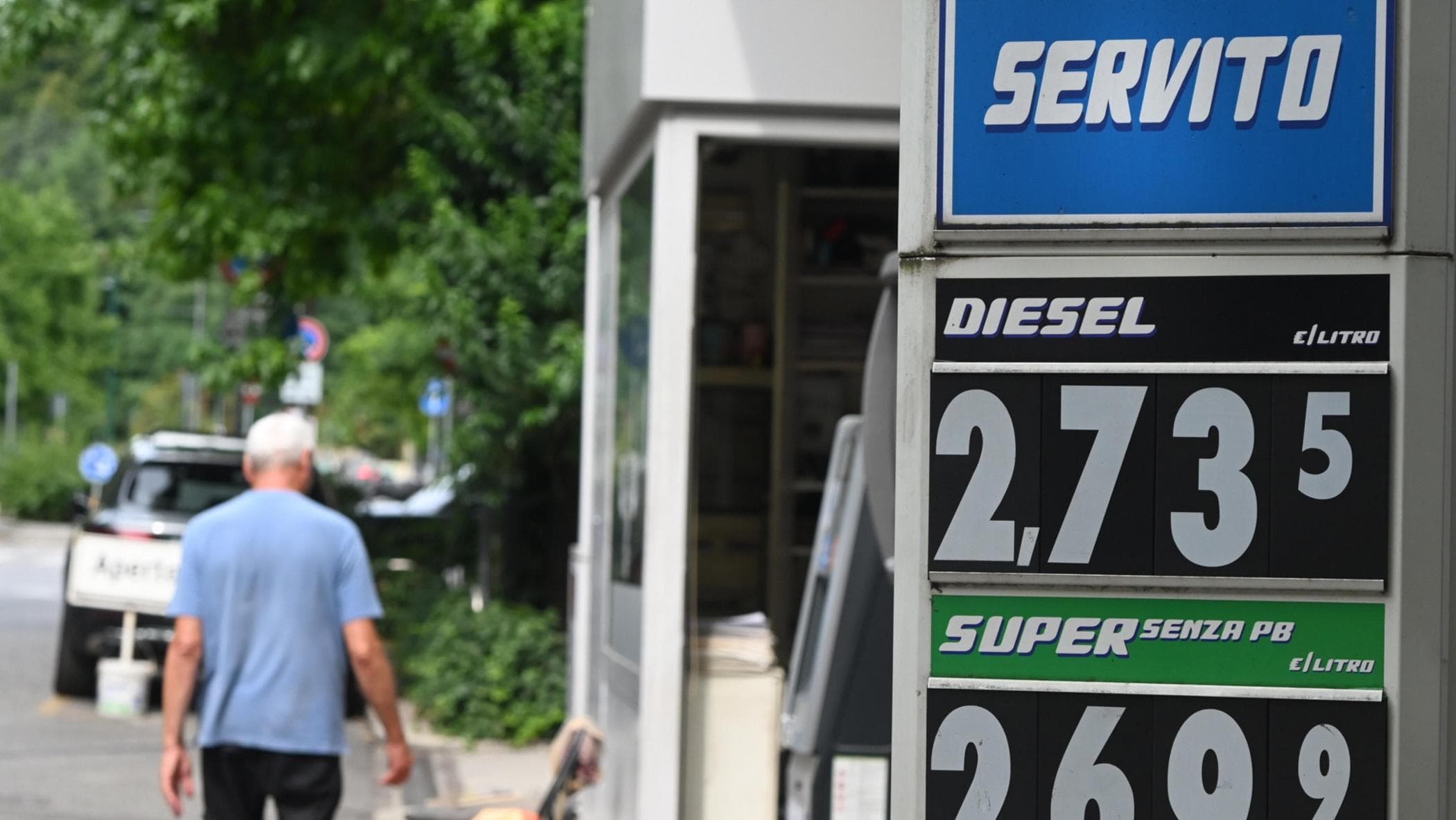
The Italian government is actively seeking funds to implement excise duty reductions, with an estimated €140 million required. However, initial relief measures will exclusively target diesel fuel. The government is exploring various avenues to secure the necessary funding. One potential source is the "extragettito IVA," or excess VAT revenue, which has so far only yielded approximately €30 million towards this goal. This shortfall highlights the challenge in fully financing the proposed excise duty cuts. There is also an ongoing discussion about potentially excluding gasoline from the upcoming decree aimed at providing these tax breaks. This decision could impact a broader range of consumers and industries reliant on gasoline. The government's focus on diesel suggests a strategic approach, possibly aimed at alleviating costs for commercial transport or specific sectors deemed more critical. The full scope and timeline for these excise duty adjustments remain under consideration as the administration works to bridge the funding gap.
The Italian government's pursuit of excise duty reductions, particularly for diesel, reflects a common fiscal balancing act between revenue generation and economic stimulus. The reliance on excess VAT revenue, yielding only a fraction of the required €140 million, underscores the inherent difficulty in funding tax relief without alternative revenue streams or spending cuts. The consideration of excluding gasoline from the relief package suggests a targeted approach, potentially influenced by lobbying efforts or a strategic decision to prioritize specific economic sectors or consumer groups. This situation highlights the complex interplay of fiscal policy, economic pressures, and political considerations in managing national budgets. Looking ahead, the sustainability of such targeted tax reliefs will depend on broader economic performance and the government's ability to implement consistent fiscal strategies that do not unduly strain public finances or create market distortions.
AI-generated to prompt reflection — not editorial opinion, not advice, not a statement of fact. How this works.