Italy Sees Significant Rise in West Nile Fever Cases
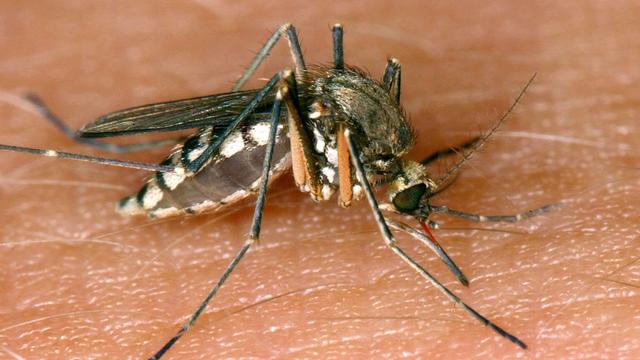
Italy has reported a notable increase in cases of West Nile Fever, a disease transmitted by mosquitoes. The surge in infections highlights ongoing concerns about the spread of vector-borne illnesses across the country. Public health officials are closely monitoring the situation and advising residents on preventative measures. The rise in cases is particularly concerning given the potential for severe neurological complications in some individuals. Further data on the geographical distribution and specific strains of the virus is expected to provide a clearer picture of the outbreak's scope. Health authorities are emphasizing the importance of mosquito control and personal protection strategies to mitigate further transmission. The situation underscores the need for continued vigilance and robust public health infrastructure to manage emerging infectious disease threats. This trend also suggests a potential impact of climate factors on the prevalence of mosquito populations and associated diseases.
The increase in West Nile Fever cases in Italy points to the complex interplay between environmental conditions, vector populations, and public health surveillance. As climate patterns shift, the geographical range and activity periods of disease-carrying mosquitoes may expand, necessitating adaptive public health strategies. This situation underscores the importance of integrated vector management programs and robust early warning systems. Future preparedness will likely involve enhanced environmental monitoring, community engagement in prevention, and rapid response protocols to contain outbreaks effectively, particularly in light of potential future increases in similar vector-borne diseases.
AI-generated to prompt reflection — not editorial opinion, not advice, not a statement of fact. How this works.