Italy Suspends Schengen, Reinstates Border Controls Amidst Migration Tensions
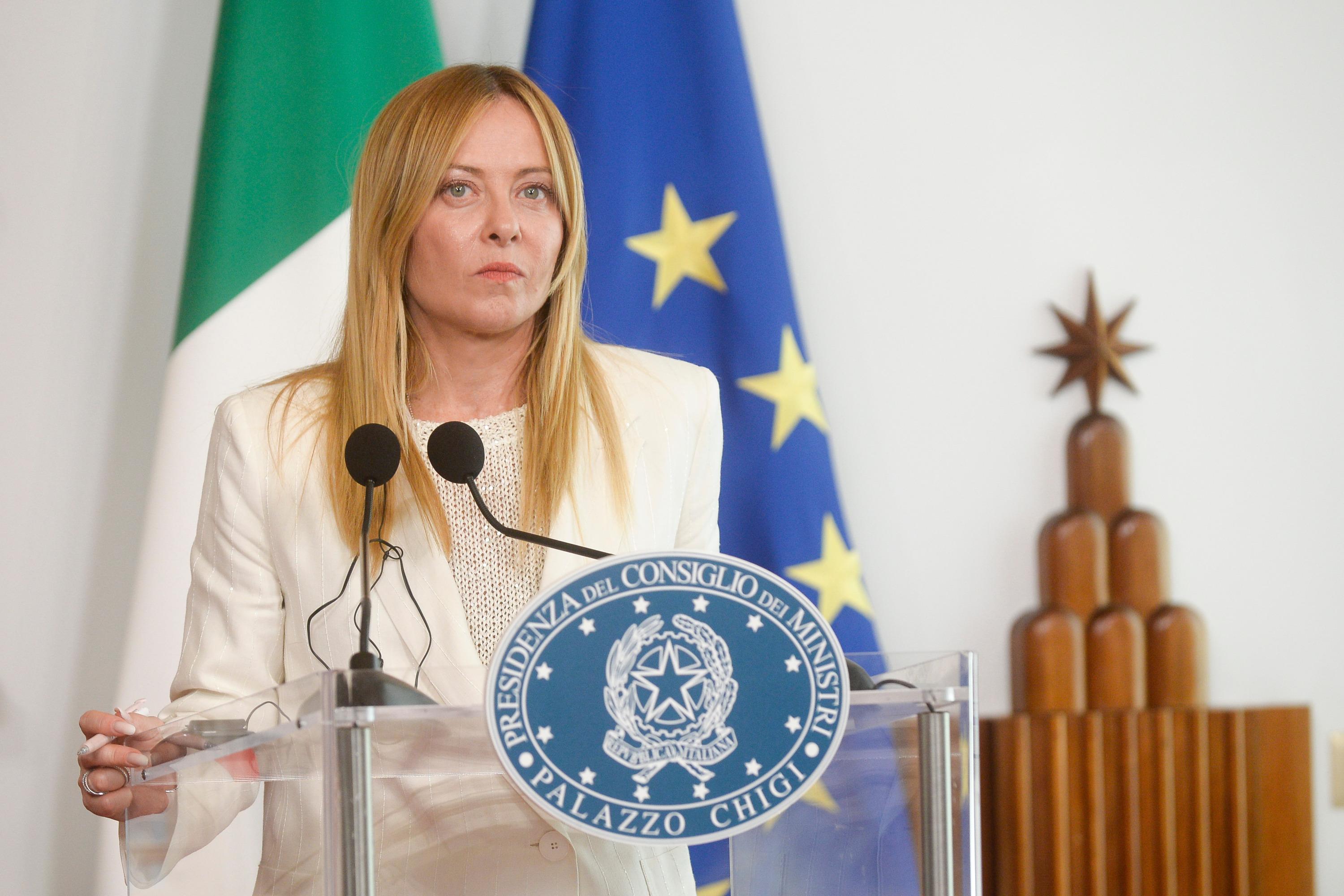
Italian Prime Minister Giorgia Meloni has suspended the Schengen agreement and reinstated border controls within Italy. This move escalates a dispute with Spanish Prime Minister Pedro Sanchez. Supporters of Meloni are criticizing Sanchez's government for what they perceive as lax policies regarding migration. The decision highlights the growing strain on European Union member states dealing with increased migratory pressures and differing approaches to border management. The suspension of Schengen, which typically allows for free movement across member states, signals a significant shift in Italy's approach to managing its borders.
The Italian government's decision to suspend Schengen and reinforce border controls reflects a challenging dynamic within the EU concerning migration management. This action underscores the tension between national sovereignty and the principle of free movement, particularly when faced with perceived policy divergences among member states. The situation highlights the complex interplay of political leadership, public sentiment, and the practicalities of border security. Future policy decisions will likely involve navigating these competing interests, potentially leading to further adjustments in inter-state cooperation or stricter national measures. The long-term implications for Schengen's viability and the broader European integration project warrant careful observation as member states grapple with these persistent challenges.
AI-generated to prompt reflection — not editorial opinion, not advice, not a statement of fact. How this works.