Italy Suspends Schengen Travel with Spain Amidst Ceuta Migrant Crisis
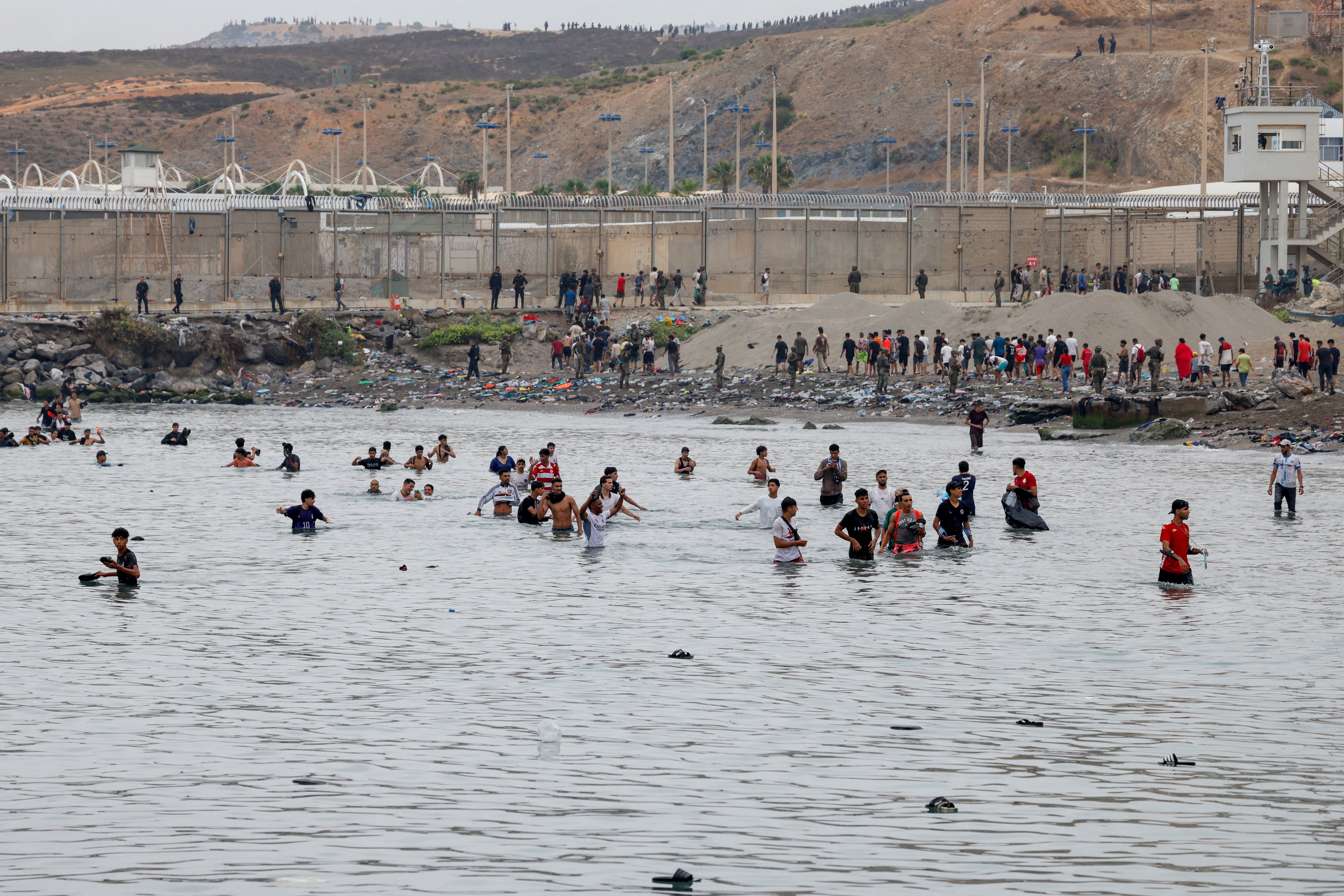
Italy has suspended its free movement agreements with Spain under the EU's Schengen Area, citing the significant influx of migrants to the Spanish enclave of Ceuta from Morocco. This decision, announced on Friday, May 31st, entails the closure of air and sea borders between the two nations and the temporary reintroduction of border checks for individuals traveling from Spain. The Italian Ministry of the Interior stated that this measure is permissible under the Schengen treaty in cases of serious threats to public order or internal security. The Schengen Area, comprising 29 member states, normally allows for the free movement of people and goods without internal border controls, functioning as a single territory for international travel. The implications of a unilateral Schengen suspension between member states remain legally unclear. This action follows widespread European concern over the recent migration crisis in Ceuta, where an estimated 60,000 individuals reportedly crossed into the Spanish territory. Italian Prime Minister Giorgia Meloni had previously warned of suspending the agreement, deeming irregular immigration a "concrete threat" to EU border security, a sentiment echoed by Sweden and Denmark. Spain has reported returning approximately 48,000 migrants to Morocco. Italy has also agreed with France to enhance controls along their shared border.
Italy's unilateral suspension of Schengen travel with Spain highlights the profound strain that irregular migration flows can place on the EU's foundational principles of free movement. While framed as a security response to the Ceuta crisis, this action tests the legal architecture of the Schengen Area, which is designed for internal cohesion but may face systemic challenges when confronted with external pressures. The incident underscores a recurring tension between national sovereignty and collective European responsibility in managing external borders. Future iterations of EU migration policy will likely need to balance robust border management with humanitarian considerations and equitable burden-sharing among member states to maintain both security and the integrity of the Schengen framework. The long-term viability of open borders within the EU may depend on developing more integrated and effective common asylum and migration policies that address root causes and streamline legal pathways.
AI-generated to prompt reflection — not editorial opinion, not advice, not a statement of fact. How this works.