Itanhaém, SP, Announces Public Competition for 142 Health Sector Positions
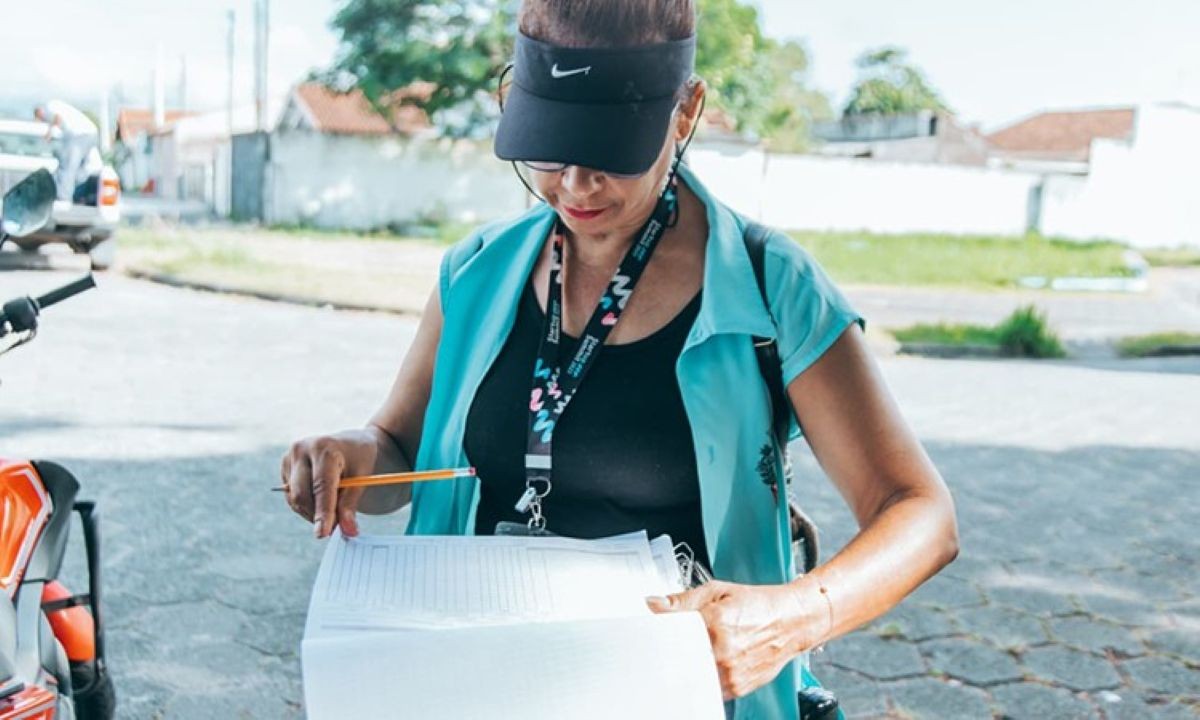
The Itanhaém City Hall, located on the coast of São Paulo, Brazil, has announced a public competition to fill 142 positions for Community Health Agents. The salary offered is R$ 3,372 for a 40-hour work week. To be eligible, candidates must have completed high school, reside within the geographical area of the Family Health Unit (USF) they are applying to, and possess a diploma or certificate from an initial training course for Community Health Agents. Successful applicants will be employed under the statutory regime of the Itanhaém City Hall. The objective examination is scheduled for September 27, 2026, in Itanhaém, and will consist of 24 questions covering Portuguese Language, Mathematics, and Specific Knowledge.
Registration will open on July 27 at 10 AM and close on August 25, 2026, at 11:59 PM, exclusively through the Instituto Nosso Rumo website. The application fee is R$ 76.80. The total number of vacancies is allocated based on the demand of the 11 Family Health Units. Prospective candidates are required to verify their residency in the corresponding Family Health Unit before applying.
This public competition in Itanhaém reflects a structured approach to bolstering local healthcare capacity by recruiting essential frontline personnel. The requirement for candidates to reside in the specific service area aims to ensure community-based healthcare delivery and potentially foster local employment. The detailed application process, including specific educational prerequisites and a timed examination, suggests a commitment to a merit-based selection system. Future considerations for such recruitment initiatives might involve analyzing the long-term retention rates of community health agents and assessing the impact of their presence on public health outcomes within the municipality. Examining the efficiency of the application and selection process could also offer insights for optimizing similar public sector hiring in other Brazilian municipalities.
AI-generated to prompt reflection — not editorial opinion, not advice, not a statement of fact. How this works.