Itapema, Brazil's Priciest Real Estate City, to Debut 60-Meter Ferris Wheel
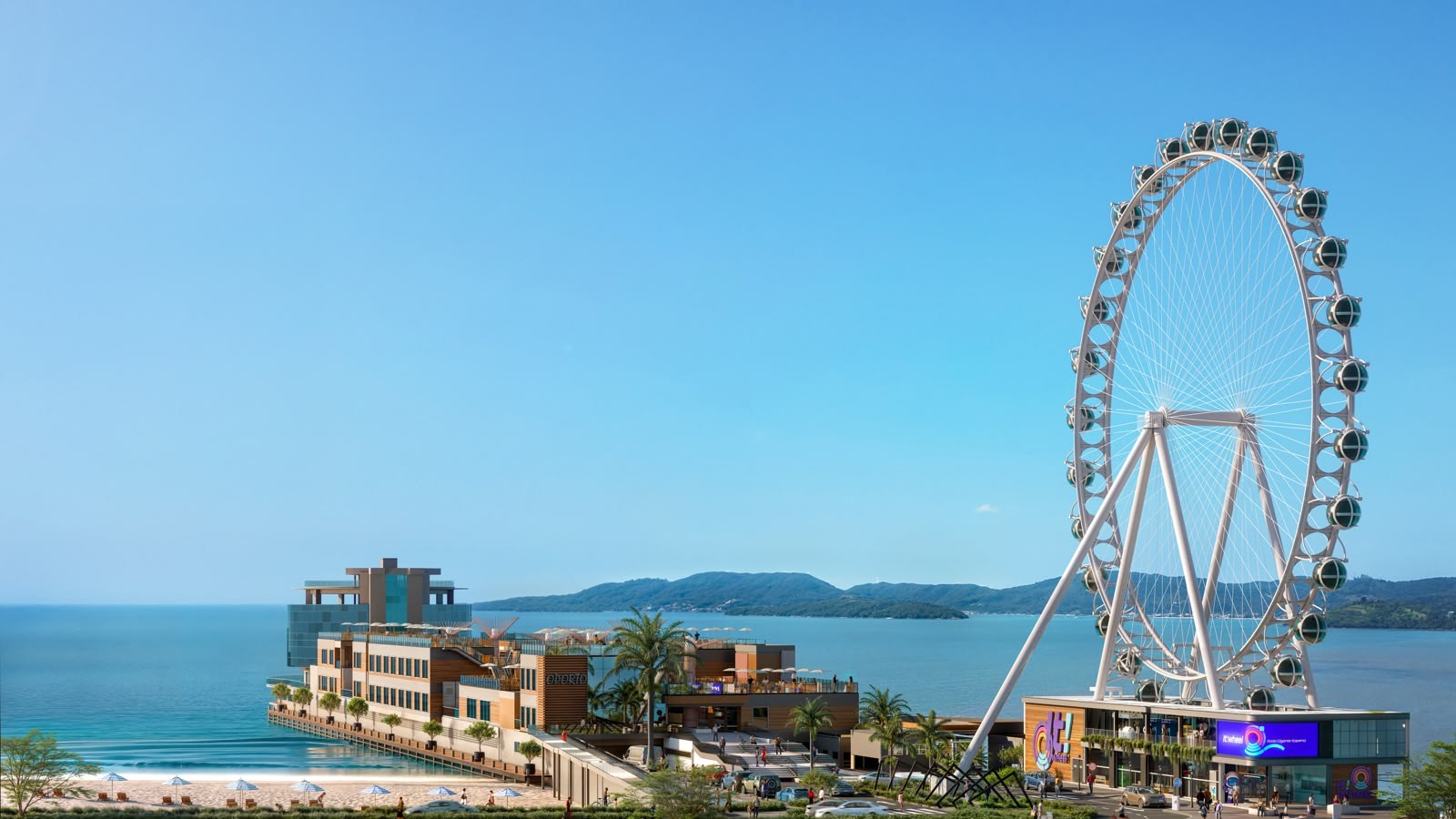
Itapema, a city in Santa Catarina known for having the highest cost per square meter for real estate in Brazil, is set to launch a new 60-meter panoramic Ferris wheel called "It! Wheel." The attraction is being erected on the northern coast of Santa Catarina, offering views of both Itapema and the neighboring city of Porto Belo. The installation of its 30 air-conditioned cabins, each with a diameter of 2.68 meters and weighing approximately 905 kilograms, was completed last week. These cabins are equipped with air conditioning, an intercom to operations, a table with cup holders, a multimedia screen, security cameras, and Bluetooth connectivity for personal music playback. Construction began on March 9th, and the Ferris wheel is anticipated to commence operations in the latter half of 2026. The project represents an investment of R$ 60 million, funded by a group of investors. Each ride is expected to last about 18 minutes. The attraction will be located at Rua Orla 7111, adjacent to Pier Oporto, and will be fully accessible to people with disabilities. Future plans include thematic cabins for special occasions like Valentine's Day, Christmas, Easter, and Halloween. The next construction phases involve completing mechanical systems, installing scenic lighting, conducting final operational and safety tests, and building the ticket office, which will also house a souvenir shop, bar, and restrooms. The ticket price has not yet been determined and will be announced in the coming months.
The development of a major tourist attraction like the "It! Wheel" in Itapema, a city already characterized by high real estate values, highlights a strategy of leveraging premium locations to attract further investment and tourism revenue. This initiative, backed by private investors, signals a trend towards experiential retail and entertainment as a means to enhance urban appeal and potentially drive economic growth in high-cost areas. The project's focus on accessibility and modern amenities suggests an awareness of evolving consumer expectations. Looking ahead, the success of such ventures will likely depend on their ability to integrate harmoniously with the existing urban fabric and environment, while also navigating the long-term sustainability of tourism-dependent economies in the face of potential market saturation or environmental pressures.
AI-generated to prompt reflection — not editorial opinion, not advice, not a statement of fact. How this works.