Itaperuna Increases Fire Prevention Measures Amid Rising Wildfire Risk
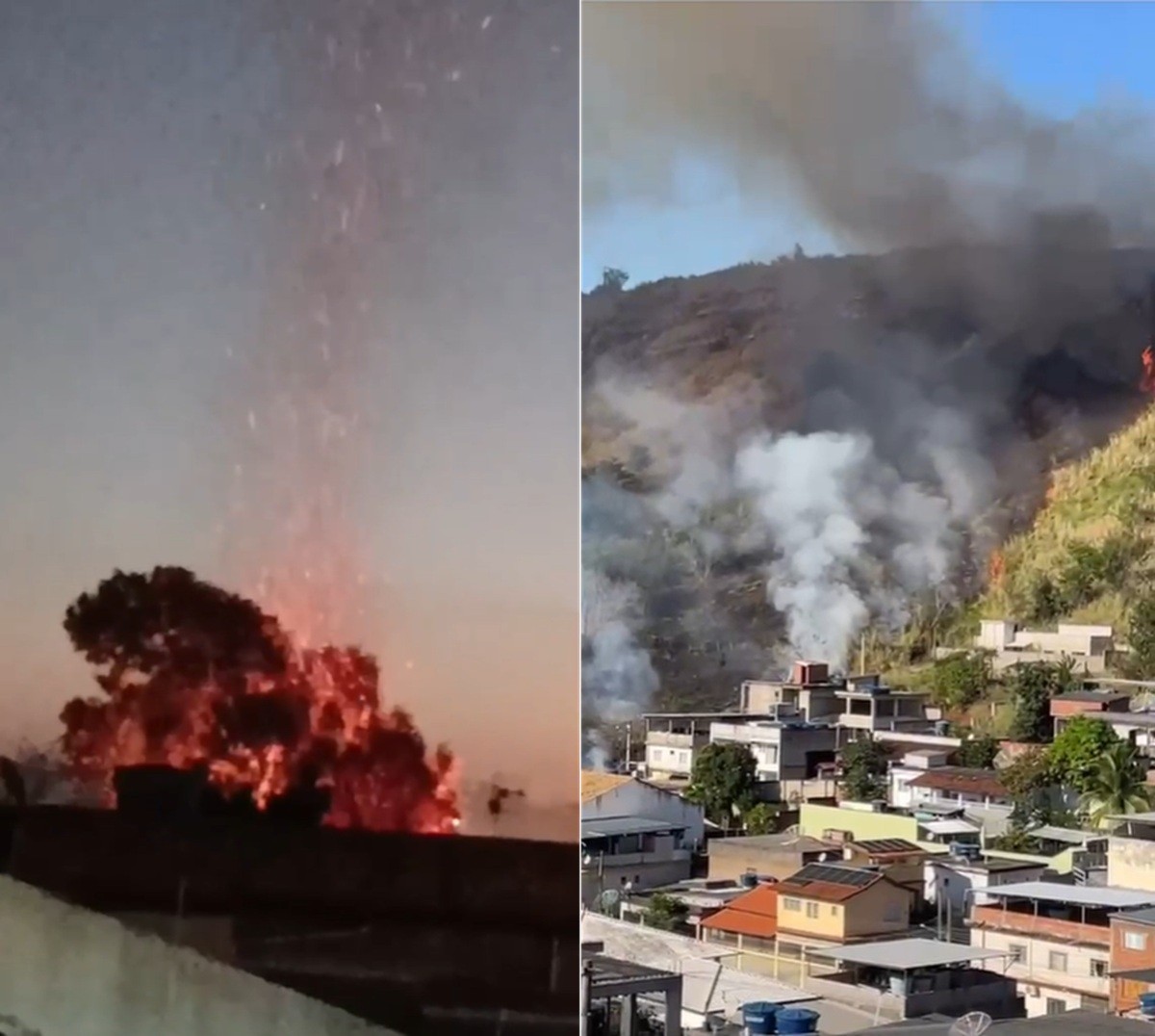
Itaperuna, located in the Northwest Fluminense region of Brazil, is enhancing its fire prevention efforts due to an increased risk of wildfires. The current dry season, characterized by dry vegetation, low humidity, and a lack of significant rainfall, has heightened the potential for vegetation fires. In response, civil defense authorities, in collaboration with the Fire Department, are closely monitoring vegetation fire incidents in both urban and rural areas of the municipality to inform preventive strategies and contingency plans. Recent data reveals fluctuations in fire occurrences: 208 incidents were recorded in 2022, dropping to 142 in 2023. However, 2024 has seen a significant surge with 273 registered fires, marking the highest volume in recent years. As of July 29th of the current year, 85 vegetation fires have already been reported. These incidents span various locations, including roadsides, forests, urban lots, hills, and other vegetated areas. Beyond environmental damage, these fires pose health risks to the population due to smoke inhalation and can impair visibility on roadways. They also threaten properties, crops, and electrical infrastructure, thereby increasing accident risks. Authorities emphasize that starting fires is an environmental crime and urge residents to refrain from using fire for land clearing, burning trash, or disposing of vegetation debris, especially during dry periods. The public is advised to immediately contact the Fire Department at 193 in case of any fire.
The municipality of Itaperuna is experiencing a heightened risk of vegetation fires due to seasonal dry conditions, a recurring environmental challenge. The data indicates a significant increase in fire incidents in 2024 compared to the previous year, suggesting that current preventive measures may require reevaluation or augmentation. Factors such as land use practices, waste management, and public awareness campaigns likely play a crucial role in mitigating these risks. Addressing this issue effectively will require a multi-faceted approach, potentially involving enhanced monitoring, stricter enforcement of environmental regulations against arson, and more robust public education initiatives on fire safety and responsible land management, particularly as climate patterns evolve.
AI-generated to prompt reflection — not editorial opinion, not advice, not a statement of fact. How this works.