Itapetininga, Brazil Enacts Law to Remove Abandoned Vehicles
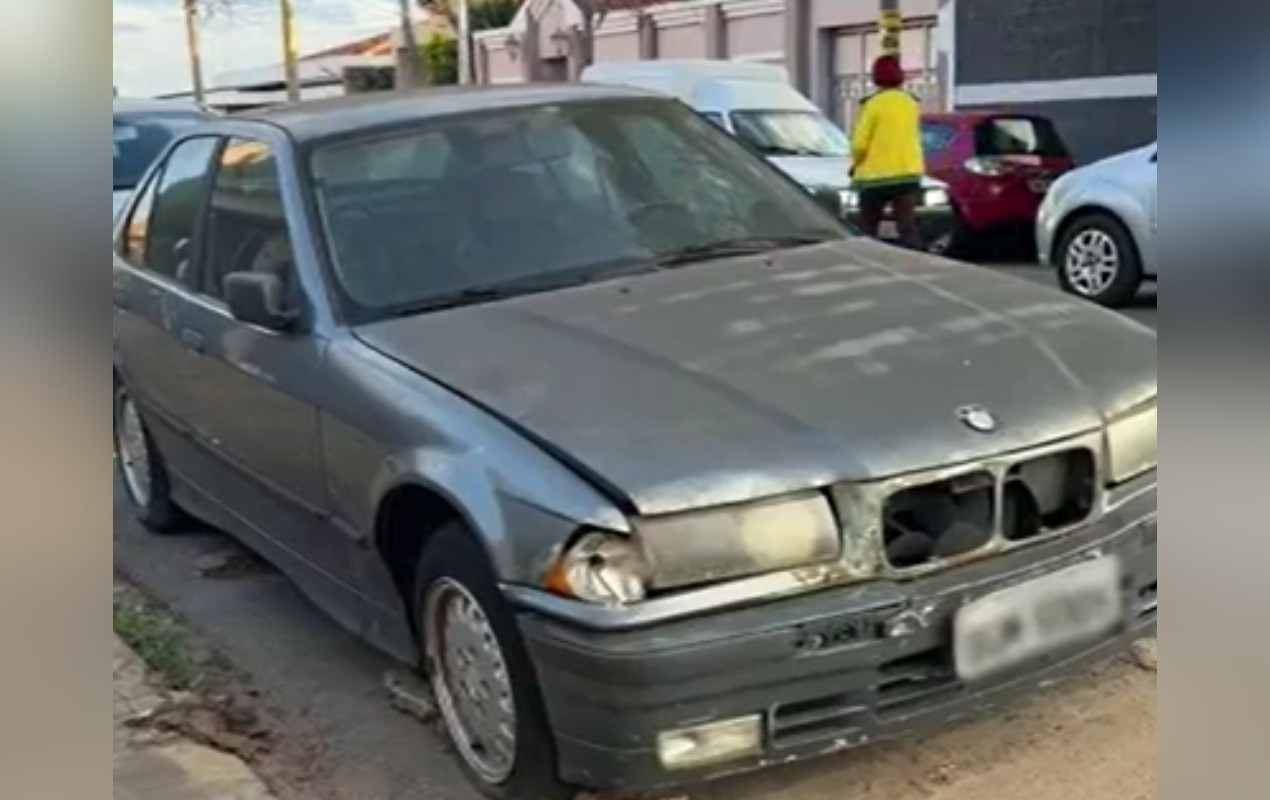
Itapetininga, São Paulo, Brazil, has enacted a new law, number 7.453, signed on June 26, 2024, to address the growing problem of abandoned vehicles on public streets. This initiative was prompted by persistent issues like a car left on Rua José Bonifácio for four years, which occupied a valuable parking space in a busy area with clinics, a school, and businesses. Residents have reported daily parking difficulties due to such vehicles. The new legislation outlines a clear process for identifying, notifying, and removing abandoned cars from public roads. A vehicle is considered abandoned if it lacks a motor, driver's seat, wheels, or tires, or if it shows signs of severe deterioration such as vegetation growth inside, missing windows or doors, extensive rust, or accumulated trash. Following an inspection, the owner will be notified and given 72 hours to remove the vehicle. Failure to comply will result in the car being towed to an impound lot, with the owner facing fines and bearing all towing and storage costs. The law aims to free up parking spaces and mitigate potential health and safety risks associated with these derelict vehicles.
The implementation of Law 7.453 in Itapetininga addresses a tangible urban blight and parking scarcity issue. By establishing clear criteria for vehicle abandonment and a structured removal process, the municipality aims to improve public space utilization and safety. This legislative action reflects a common challenge faced by many cities globally, where derelict vehicles can become persistent nuisances. The law's effectiveness will depend on consistent enforcement and the municipality's capacity to manage towed vehicles and associated costs. Looking ahead, such regulations are crucial for maintaining urban aesthetics and functionality, particularly as population density and vehicle ownership continue to rise, necessitating proactive urban management strategies.
AI-generated to prompt reflection — not editorial opinion, not advice, not a statement of fact. How this works.