Itapetininga Hosts Inaugural Rural Tourism Event on July 28-29
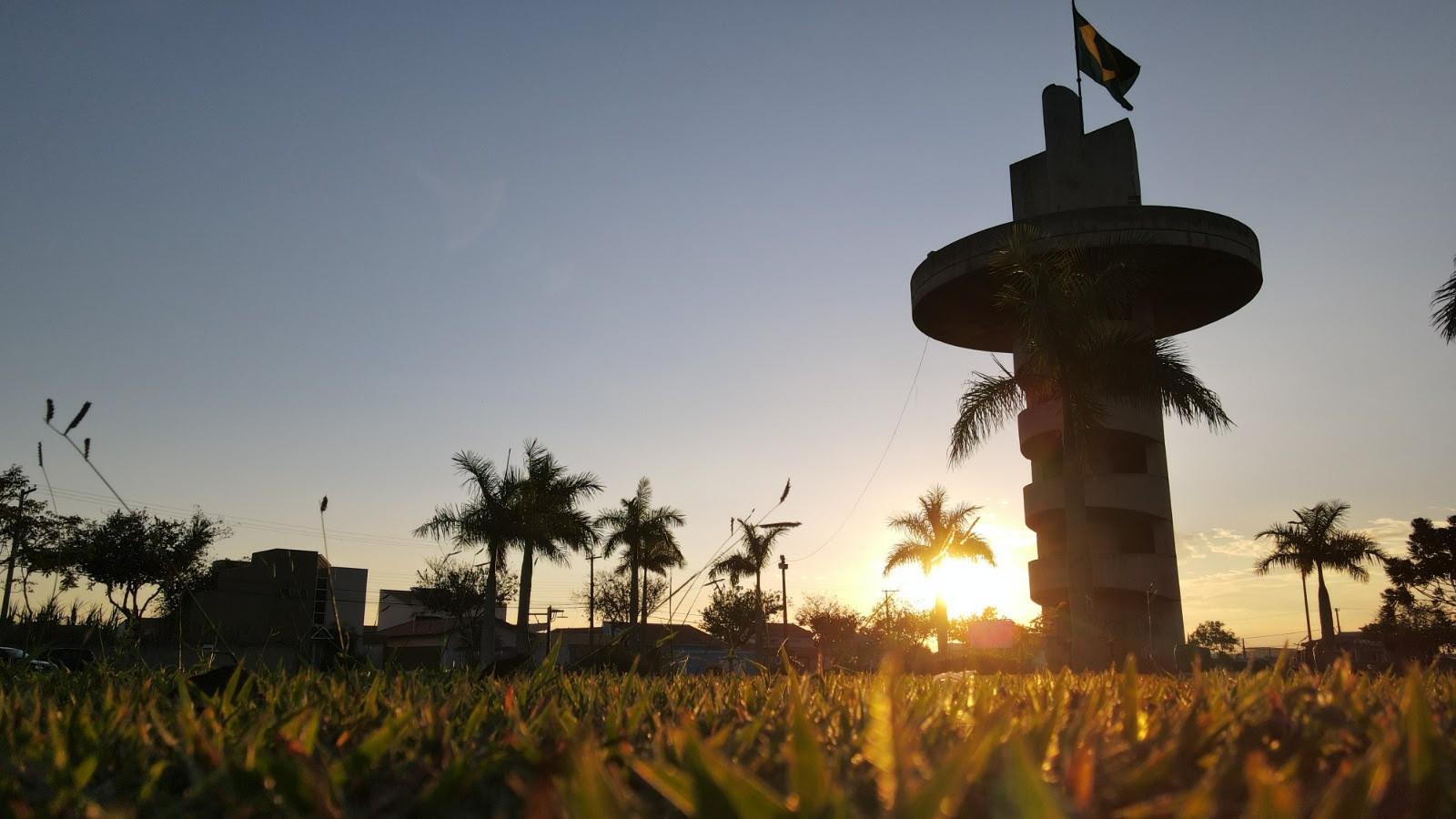
Itapetininga, São Paulo, will host the first Regional Rural Tourism Encounter on July 28 and 29. This event aims to bring together rural producers, entrepreneurs, public managers, and specialists to explore the tourism potential of the Veredas da Mata Atlântica region. Organized by the Itapetininga City Hall, the encounter will take place at the headquarters of the Coordinadoria de Assistência Técnica Integral (Cati), located at Rua Coronel Pedro Dias Batista, nº 1.405, in the city center. Activities are scheduled to begin at 7:30 AM, with a technical field visit planned for the second day. The program includes lectures by Marcio Sturaro, Secretary of Tourism for Sarapuí; Professor Telma Dern from the Federal University of São Carlos (UFSCar); and consultants Bernardo Ignarra from Sebrae and Andressa Martins from Senac. The event seeks to foster the exchange of experiences, strengthen partnerships, and broaden discussions on rural tourism as a driver for economic development and the appreciation of local identities. Key partners include the Rural Union of Itapetininga, the National Rural Learning Service (Senar), Cati, Sebrae, Senac, and the Municipal Tourism Council. Participation is free, and registration can be completed via a form provided by the organizers.
This regional encounter highlights a strategic effort to leverage rural tourism for economic development and local identity preservation. By convening diverse stakeholders—from producers and entrepreneurs to government officials and educational institutions—the event aims to foster collaboration and knowledge sharing. The focus on rural tourism reflects a broader trend of seeking sustainable economic models that can diversify local economies beyond traditional agriculture. Future success will likely depend on the effective implementation of strategies discussed, the ability to attract investment, and the capacity to maintain authenticity while scaling operations. The event's structure, including technical visits and expert lectures, suggests a commitment to practical application and informed decision-making, positioning rural tourism as a viable pathway for regional growth in the coming decade.
AI-generated to prompt reflection — not editorial opinion, not advice, not a statement of fact. How this works.