Itapetininga Municipality Holds Public Hearings for 2027 Budget Planning
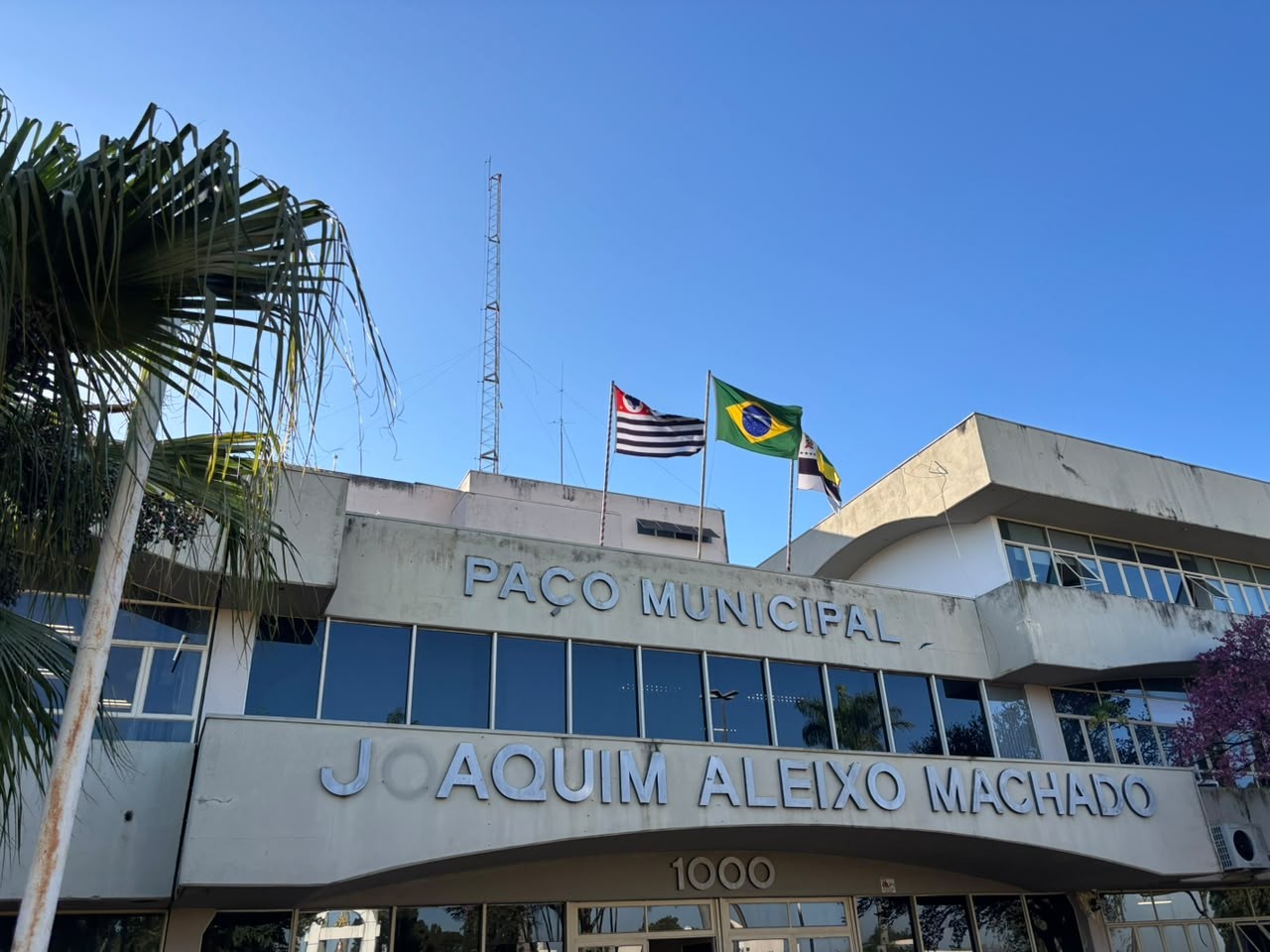
The Municipality of Itapetininga, São Paulo, is commencing a series of four public hearings starting Tuesday, July 21st, to discuss crucial aspects of its financial planning. These sessions are designed to facilitate the update of the Multi-Year Plan (PPA) and the development of the Budget Guidelines Law (LDO) and the Annual Budget Law (LOA) for the year 2027. The meetings are open to all residents, with no limit on the number of participants, encouraging broad community engagement in the municipal budgeting process. The PPA serves as the foundational planning instrument, outlining the public administration's directives, objectives, and goals for a four-year period, thereby defining priority investments and actions that guide public policy execution. The LDO, in turn, establishes the priorities and goals for the subsequent year's budget and provides guidance for the LOA, also setting rules for public resource allocation and expenditure limits. The LOA then provides a detailed breakdown of all anticipated revenues and expenses for the municipality within a specific year, dictating allocations to vital sectors such as health, education, infrastructure, and public safety. It is noted that Itapetininga's LDO was approved on December 19th of the previous year, projecting an approximate budget of R$ 782.3 million for 2026, with education and health slated to receive the largest portions at R$ 255 million and R$ 239.5 million, respectively. The hearings will take place on July 21st, 23rd, 25th, and 28th at various municipal educational facilities and the Municipal Hall, with specific times and addresses provided.
The municipality's proactive engagement through public hearings for its 2027 budget planning demonstrates a commitment to transparent fiscal governance. This process, involving the PPA, LDO, and LOA, is essential for aligning public spending with community needs and long-term development strategies. By opening these discussions to the public, Itapetininga is leveraging citizen input to inform resource allocation, potentially enhancing accountability and the effectiveness of public services. The structured approach to budget development, from multi-year plans to annual appropriations, is a critical mechanism for managing public finances responsibly, especially in the context of evolving economic conditions and societal demands over the next decade. This participatory model can foster greater public trust and encourage more informed civic engagement in local governance.
AI-generated to prompt reflection — not editorial opinion, not advice, not a statement of fact. How this works.