Itapetininga offers free vocational courses starting August 3rd
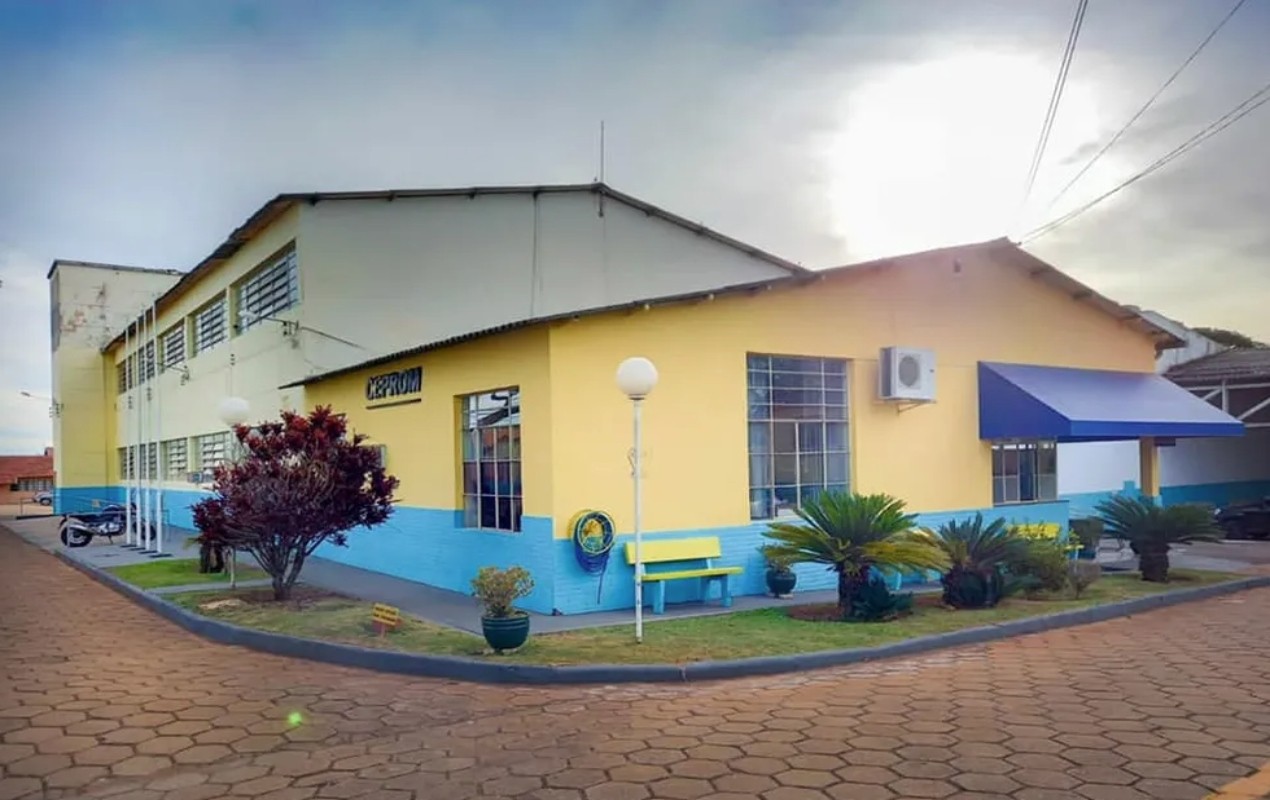
The Municipality of Itapetininga, São Paulo, through its Municipal Professional Training Center (Ceprom) and in partnership with Senai, has opened registrations for free vocational courses. These courses, which offer certification, are scheduled to commence on August 3rd with limited spots available. The training will cover areas such as technology and IT, mechanics, and installation and maintenance.
Enrollment periods vary by course area, beginning on July 13th for technology and IT, July 14th for mechanics, and July 15th for installation and maintenance. Specific courses include Basic Excel, Basic Informatics, Informatics for Administrative Routines, Microsoft Power BI, Promob, Industrial Metrology, Auto Electrician, Auto Mechanics (Engine and Transmission, Suspension, Steering, and Brakes), Motorcycle Mechanics, Mechanical Turner, Refrigeration and Air Conditioning Basics, and Appliance Repair (Microwaves, Ovens, and Washing Machines).
In-person registration is required at Ceprom, located at Rua Agenor Vieira de Moraes, 135, in Jardim Vieira de Moraes, operating from 8 AM to 9 PM. Applicants must present copies of personal documents and proof of address. Minors under 18 years of age must be accompanied by a guardian. Further details can be obtained by contacting Ceprom directly via phone at (15) 3273-2929 or email at [email protected].
This initiative by the Itapetininga municipality and Ceprom, in collaboration with Senai, aims to enhance the local workforce's skill set through accessible, free vocational training. The program's focus on technology, mechanics, and installation/maintenance aligns with current and future labor market demands, potentially boosting employability for residents. The limited class sizes and specific enrollment dates suggest a structured approach to resource management. From a systemic perspective, such public-private partnerships are crucial for bridging skills gaps and fostering economic development, particularly in regions seeking to diversify their industrial base. The long-term impact will depend on the curriculum's relevance, the quality of instruction, and the subsequent integration of graduates into the local job market, thereby contributing to regional economic resilience.
AI-generated to prompt reflection — not editorial opinion, not advice, not a statement of fact. How this works.