Itapetininga Region Leads São Paulo Bell Pepper Production, Harvesting Over 19,000 Tons in 2025
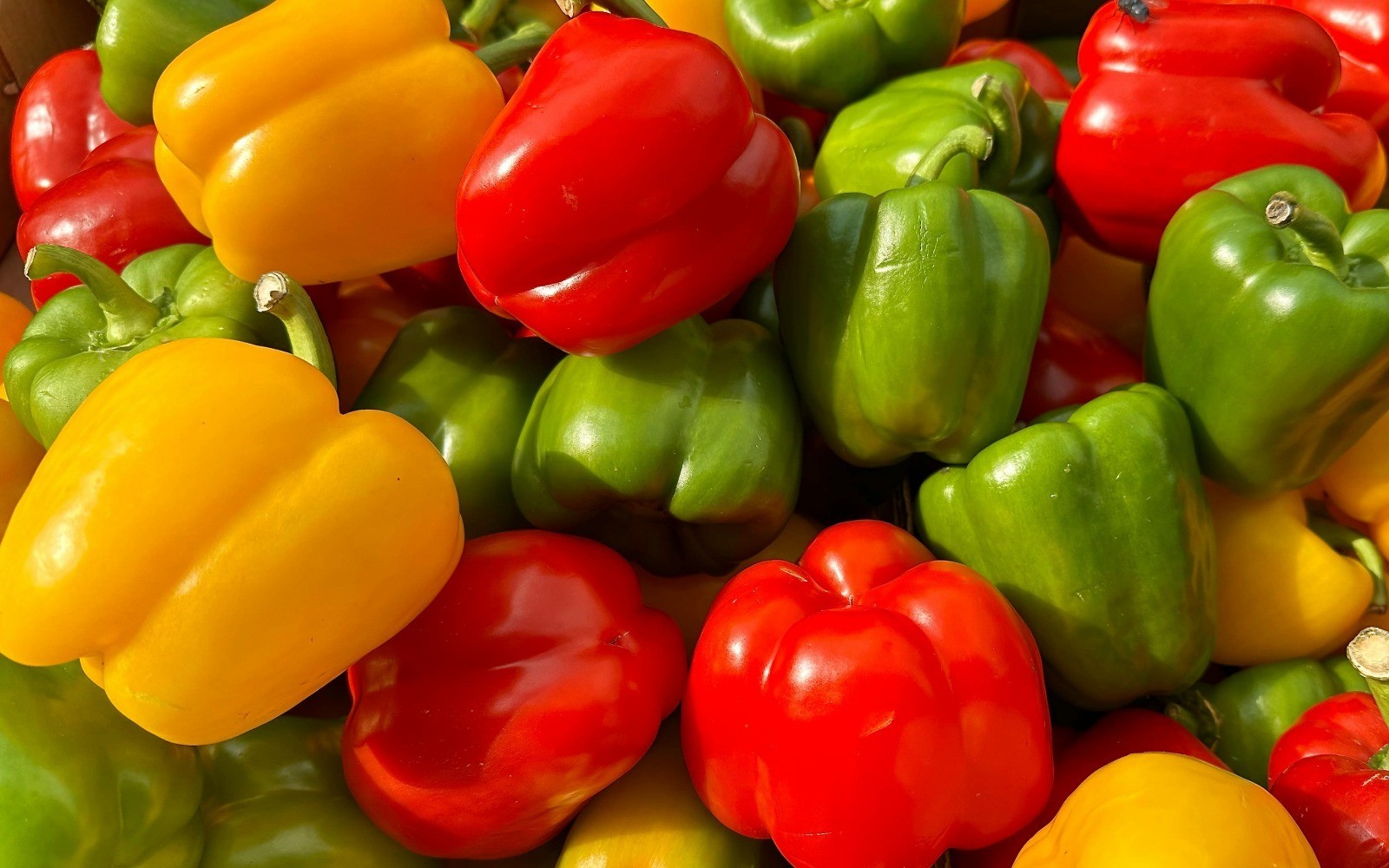
The Itapetininga region in São Paulo state emerged as the leading producer of bell peppers in 2025, according to data from the Agricultural Economics Institute (IEA-APTA). This region, comprising 14 municipalities including São Miguel Arcanjo and Itapetininga, cultivated bell peppers across approximately 200 hectares, yielding a total of 19,621.5 tons. This output represents the largest share among São Paulo's producing regions.
The state of São Paulo as a whole saw a significant increase in bell pepper production in 2025, reaching 82,490.93 tons. This marks a 51.48% rise compared to the 54,456.4 tons produced in 2024. Alongside the volume increase, the economic value of bell pepper production also grew substantially, with the Agricultural Production Value (VPA) reaching R$ 499.8 million in 2025, a 74.19% increase from the previous year.
Marcelo Ament Giuliani dos Santos, from CATI Regional Itapetininga, highlighted that the region specializes in colorful bell peppers, primarily rectangular varieties in red and yellow. The success is partly attributed to protected cultivation techniques, suited for the cooler climate, which allow for better control of temperature, irrigation, and pest management. Producers also benefit from technical assistance for product classification and traceability. The harvest occurs year-round, with a peak in summer, and the produce is mainly distributed to domestic markets, including through CEAGESP, with logistical infrastructure and proximity to Greater São Paulo facilitating distribution of this perishable product.
The Itapetininga region's dominance in bell pepper production, particularly of colorful varieties, underscores the impact of specialized agricultural techniques like protected cultivation. This method allows for climate control, optimizing yield and quality in regions with cooler temperatures, and demonstrates a strategic adaptation to local environmental conditions. The significant year-over-year growth in both volume and economic value suggests strong market demand and effective production strategies. Future success will likely depend on continued investment in technology, sustainable water management, and robust pest control, especially given the crop's susceptibility to pests like whiteflies, as noted by local farmers. The focus on value-added products like colored bell peppers and efficient distribution channels positions the region favorably within the broader agricultural landscape, highlighting the importance of regional specialization and logistical advantages in the perishable goods market.
AI-generated to prompt reflection — not editorial opinion, not advice, not a statement of fact. How this works.