Itapetininga Reports 5 Melanoma Cases; Doctor Stresses Early Diagnosis
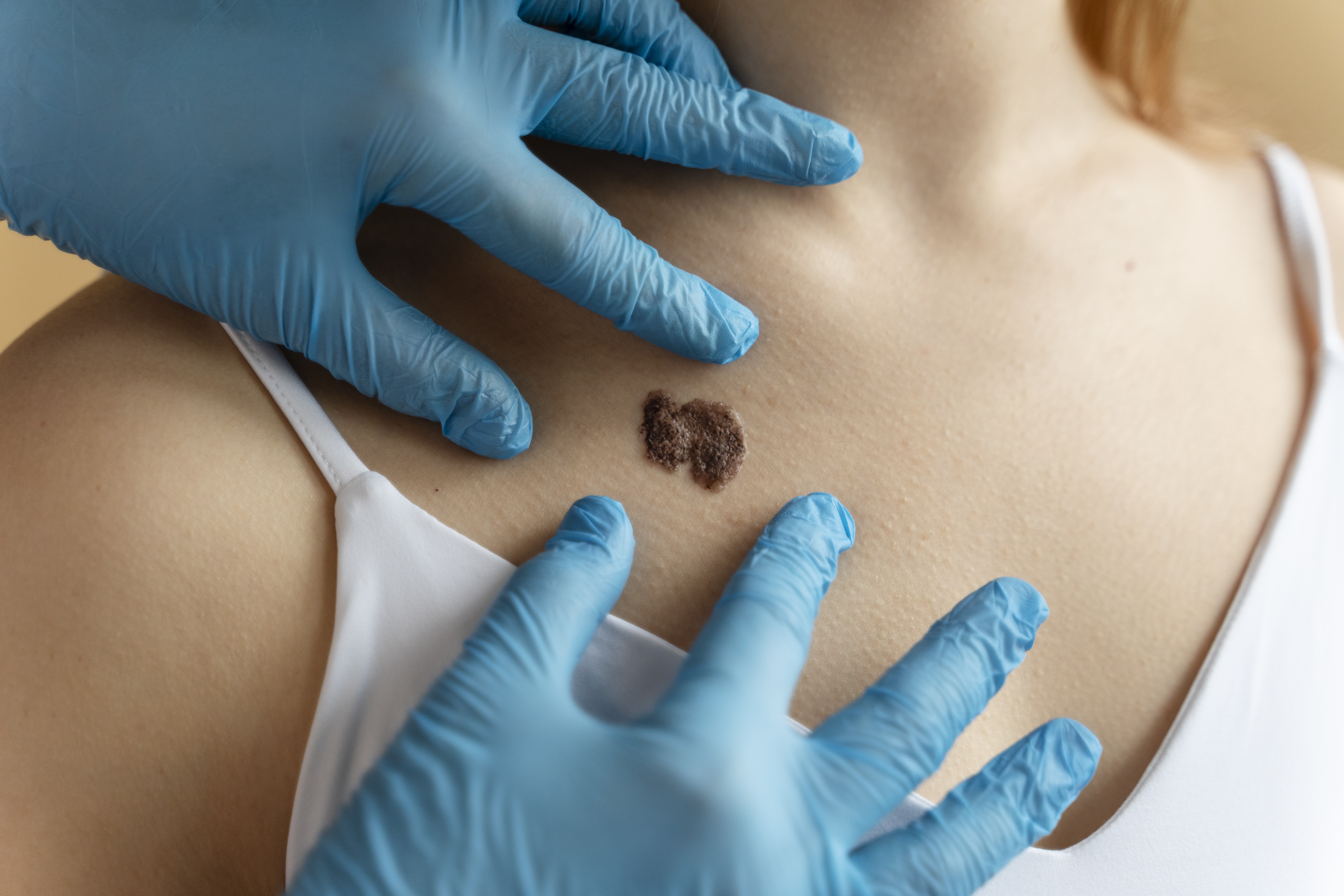
Itapetininga, São Paulo, currently has five patients undergoing treatment for melanoma, according to the municipal Health Secretariat. The National Cancer Institute (INCA) estimates approximately 2,820 new melanoma cases in São Paulo state and 9,360 nationwide over the next two years. Residents with suspicious symptoms are advised to visit a Basic Health Unit (UBS) for initial assessment, with potential referral to a specialist for diagnosis and treatment via the Unified Health System (SUS). The municipality also conducts mobile screening and prevention campaigns.
Melanoma, a serious form of skin cancer, accounts for 3-5% of skin cancer cases but causes the majority of related deaths due to its high potential for invasion and metastasis. Dr. Vinicius de Lima Vasquez, an oncologist at Hospital do Amor, explains that melanoma originates from melanocytes and can arise from existing moles or new lesions, primarily caused by cumulative DNA damage from UV radiation, though genetic factors also play a role. Early detection is crucial, with cure rates exceeding 90% when diagnosed in initial stages before the cancer spreads to other organs. The "ABCDE" rule (Asymmetry, Borders, Color, Diameter, Evolution) serves as a guide for identifying suspicious lesions, but professional medical evaluation is essential. Individuals with fair skin, a history of sunburns, numerous or atypical moles, family history of melanoma, compromised immunity, or frequent unprotected sun exposure are at higher risk, though melanoma can affect anyone, including individuals with darker skin, often appearing on less sun-exposed areas.
This report highlights the critical importance of early detection for melanoma, a particularly aggressive form of skin cancer. The data from Itapetininga and state/national estimates underscore the persistent public health challenge posed by this disease. The explanation of melanoma's biological characteristics, including its metastatic potential and the role of UV radiation and genetics, provides a scientific basis for prevention and screening efforts. The "ABCDE" rule serves as a valuable public awareness tool, empowering individuals to recognize potential warning signs. However, the analysis should also consider systemic factors, such as equitable access to specialized dermatological care and public health campaigns that reach diverse demographics, ensuring that the benefits of early diagnosis are universally realized. Future strategies may involve leveraging AI for improved risk stratification and diagnostic support, particularly in resource-limited settings, to combat the disproportionate mortality associated with delayed detection.
AI-generated to prompt reflection — not editorial opinion, not advice, not a statement of fact. How this works.
