Itapetininga's historic Church of Our Lady of the Rosary reopens after extensive renovations
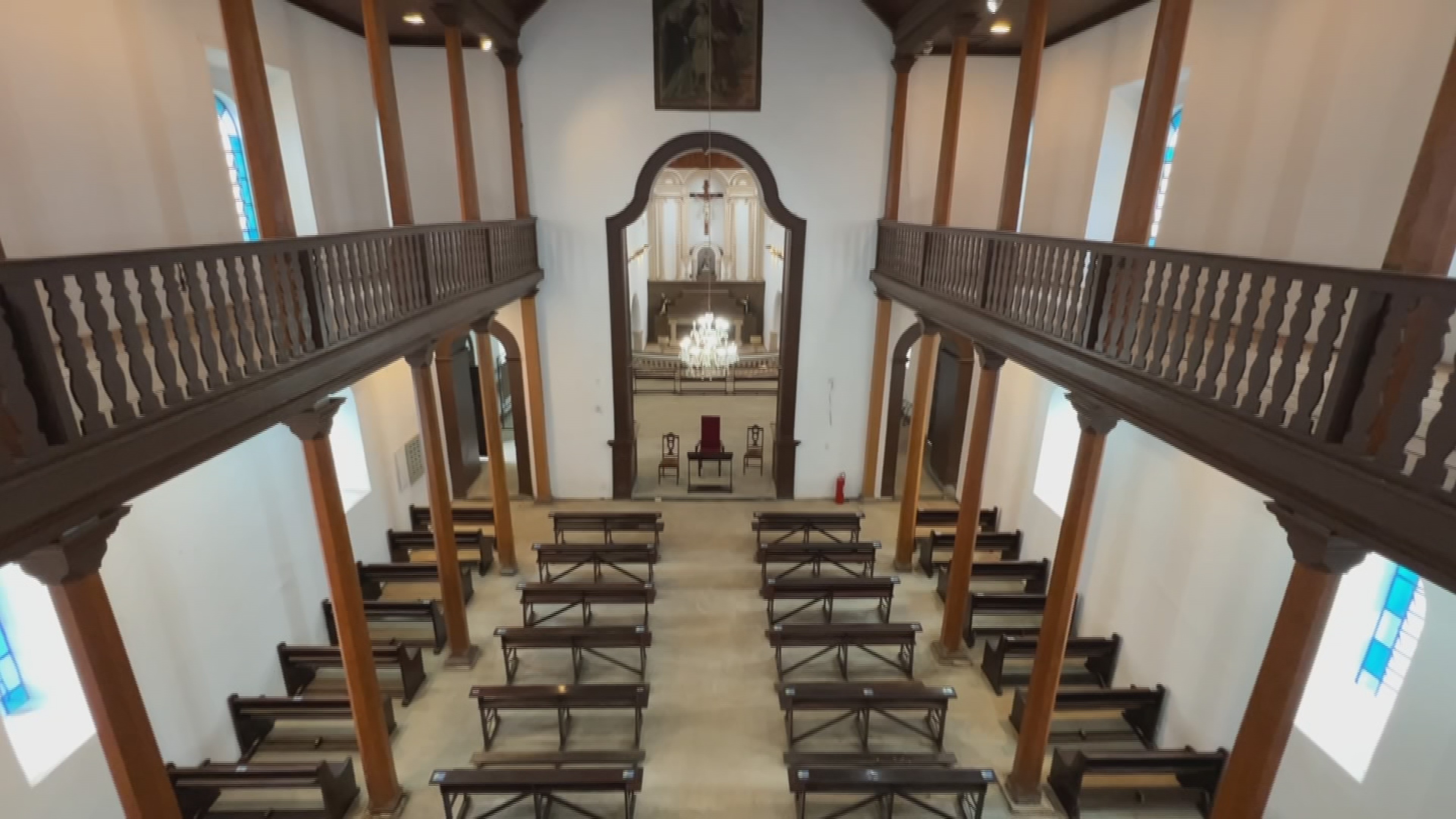
The Church of Our Lady of the Rosary, a significant and traditional religious landmark in Itapetininga, São Paulo, has reopened to visitors after more than two years of closure for renovations. This historic structure, considered the oldest religious building in the municipality and a symbol of faith for devotees, was originally built by enslaved people in the 19th century and holds over 150 years of local history. The church was closed by Civil Defense in May 2024 due to partial plaster collapse, with subsequent inspections revealing structural issues including cracks and roof damage. Masses were temporarily relocated to the Cathedral Nossa Senhora dos Prazeres. Master builder Josué Ferreira stated that internal repairs, including the subfloor and new woodwork, have been completed, with external work addressing cracks and plaster damage as the next phase. The responsible engineer, Lucas Arruda, indicated the renovation is 90% complete, with the space partially accessible while final permits are processed and the street in front remains closed. Initial structural concerns were identified in a 2019 report, and all critical points have since been rectified. The reopening is anticipated to boost commercial activity for local vendors, such as Gabriela Moura, who operates a book stall nearby. Devotees like Elvira Vieira expressed joy and eagerness to share the news of the church's near-completion and return to normalcy. The Church of Our Lady of the Rosary, officially inaugurated in August 1873, was built with community donations and the labor of enslaved individuals, serving as a vital spiritual and cultural center for the Black community, hence its historical name, Church of the Rosary of the Black People. Its construction was overseen by Antônio Florêncio de Azevedo, also known as Mestre Florêncio.
The reopening of the Church of Our Lady of the Rosary signifies a successful preservation effort for a historically significant cultural asset. The extended closure, prompted by structural integrity concerns, highlights the challenges faced by aging infrastructure, particularly those with origins in periods of forced labor. The extensive renovation process, involving structural assessments and phased repairs, demonstrates a commitment to safeguarding heritage while ensuring public safety. Moving forward, consistent maintenance protocols and proactive structural monitoring will be crucial to prevent future emergencies and ensure the long-term viability of such important historical sites. The church's deep roots in the Black community's history underscore the importance of recognizing and preserving narratives often marginalized in historical accounts, offering a valuable lens through which to understand the evolving social fabric of Itapetininga.
AI-generated to prompt reflection — not editorial opinion, not advice, not a statement of fact. How this works.