Itapeva's Free Menstrual Product Distribution in Schools Deemed Constitutional
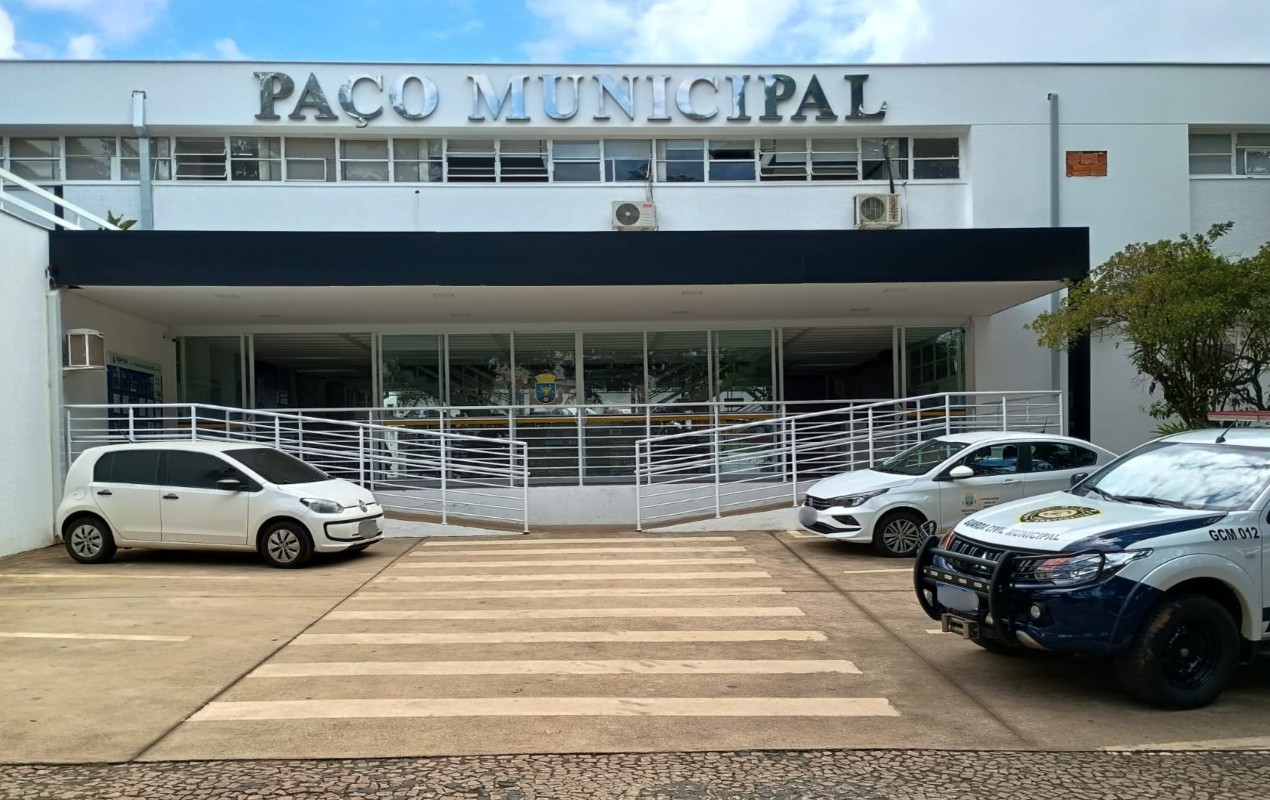
The Special Body of the São Paulo State Court of Justice (TJ-SP) has ruled that the free distribution of sanitary pads during educational initiatives in Itapeva's municipal schools is constitutional. The decision, published on Tuesday, March 7th, came after the Itapeva City Hall challenged parts of municipal law n° 5.340/2025. The city hall had argued that the law, which mandates the distribution of personal hygiene items, educational campaigns, and age-appropriate teaching materials, violated the separation of powers by creating ongoing public expenses and administrative obligations. The presiding judge determined that the law merely establishes a social and sanitary policy without altering administrative schedules or creating new public bodies, positions, or functions. The judge also noted that insufficient budget allocation does not inherently render a law unconstitutional. The court's decision on constitutionality was unanimous. The municipal program, established in November of the previous year, focuses on intimate health education, aiming to promote hygiene, combat menstrual poverty, prevent STIs and adolescent pregnancy, and foster self-esteem and dignity among students. The program can involve partnerships and includes lectures, workshops, distribution of hygiene products, educational campaigns, and teacher training.
This judicial decision affirms the constitutionality of a municipal program providing free menstrual products and education in schools. The court's reasoning highlights that such initiatives, framed as social and sanitary policies, do not overstep legislative boundaries by creating undue administrative burdens or financial obligations that violate the separation of powers. The ruling addresses potential concerns about budget allocation, suggesting that the absence of explicit funding does not automatically invalidate a law. From a systems perspective, this intervention addresses the public health challenge of menstrual poverty and its impact on educational access and student well-being. Such programs can be viewed as an investment in human capital, potentially yielding long-term benefits in health outcomes and educational attainment, while also challenging traditional notions of what constitutes essential public services in the 21st century.
AI-generated to prompt reflection — not editorial opinion, not advice, not a statement of fact. How this works.