Itaquaquecetuba Chemical Plant Fire Causes Sewer Explosions, Injures One
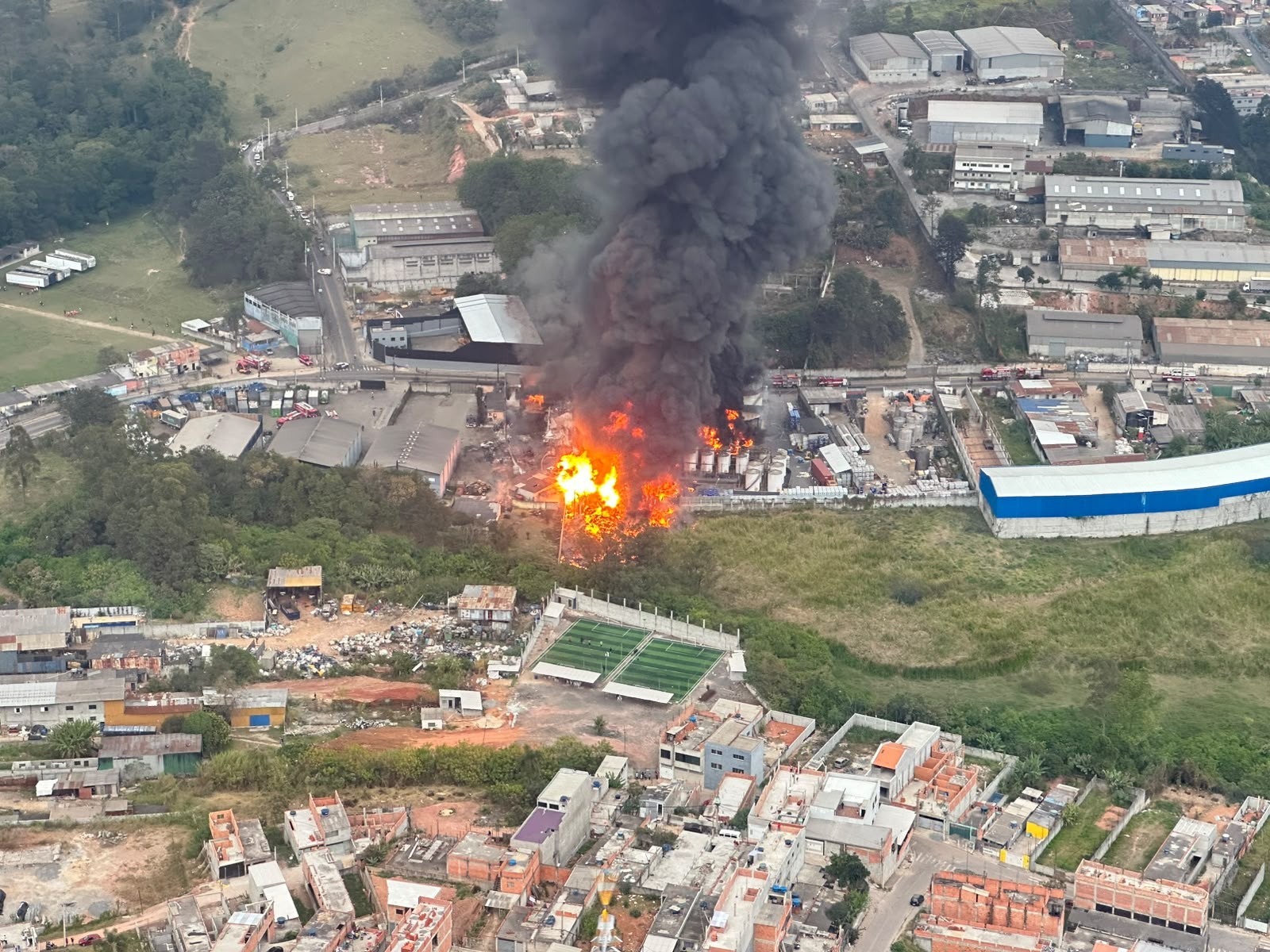
An intense fire at a chemical plant in Itaquaquecetuba, part of Greater São Paulo, Brazil, led to explosions in nearby sewer manholes, spewing smoke onto the streets. The incident began on Tuesday afternoon, May 4th, and quickly escalated, requiring a significant response from the Fire Department. Initially, eight fire trucks were dispatched, but by late afternoon, the number had increased to seventeen as firefighters worked to contain the blaze. The explosions in the manholes, attributed by the city's Prefecture to the fire's intensity, caused one civilian injury. Danilo de Oliveira da Rocha, a tractor mechanic, reported being near the company when a manhole cover exploded, igniting flames that struck his arm and head. Fortunately, no fatalities have been reported as of the latest update. The company involved is Quema Química, a manufacturer and seller of polyester solvents and resins, reportedly storing 24 tanks of solvent, each with a capacity of approximately 31 cubic meters. As a safety precaution, nearby industries were evacuated, and the energy provider, EDP, temporarily cut off power to the area surrounding the factory. The Civil Defense confirmed no residential evacuations were necessary due to the distance from the plant. The Itaquaquecetuba Prefecture provided support with a water supply truck, working alongside a water tanker from the Urban Services Secretariat. The area has been isolated by emergency teams to ensure public safety, and Quema Química has not yet responded to requests for comment.
The chemical plant fire and subsequent sewer explosions highlight critical infrastructure vulnerabilities and emergency response challenges. The incident underscores the importance of robust containment protocols for industrial facilities handling volatile materials, particularly concerning potential off-site impacts like underground utility systems. The rapid escalation of firefighting resources indicates a significant event, while the evacuation of neighboring industries and power interruption demonstrate proactive risk management. Future considerations should include enhanced monitoring of subterranean infrastructure near high-risk industrial sites and improved communication channels between emergency services, utility providers, and chemical manufacturers to mitigate cascading failures and ensure public safety in densely populated urban environments.
AI-generated to prompt reflection — not editorial opinion, not advice, not a statement of fact. How this works.
