Itaquaquecetuba City Hall Demolishes Four Homes in Irregular Area
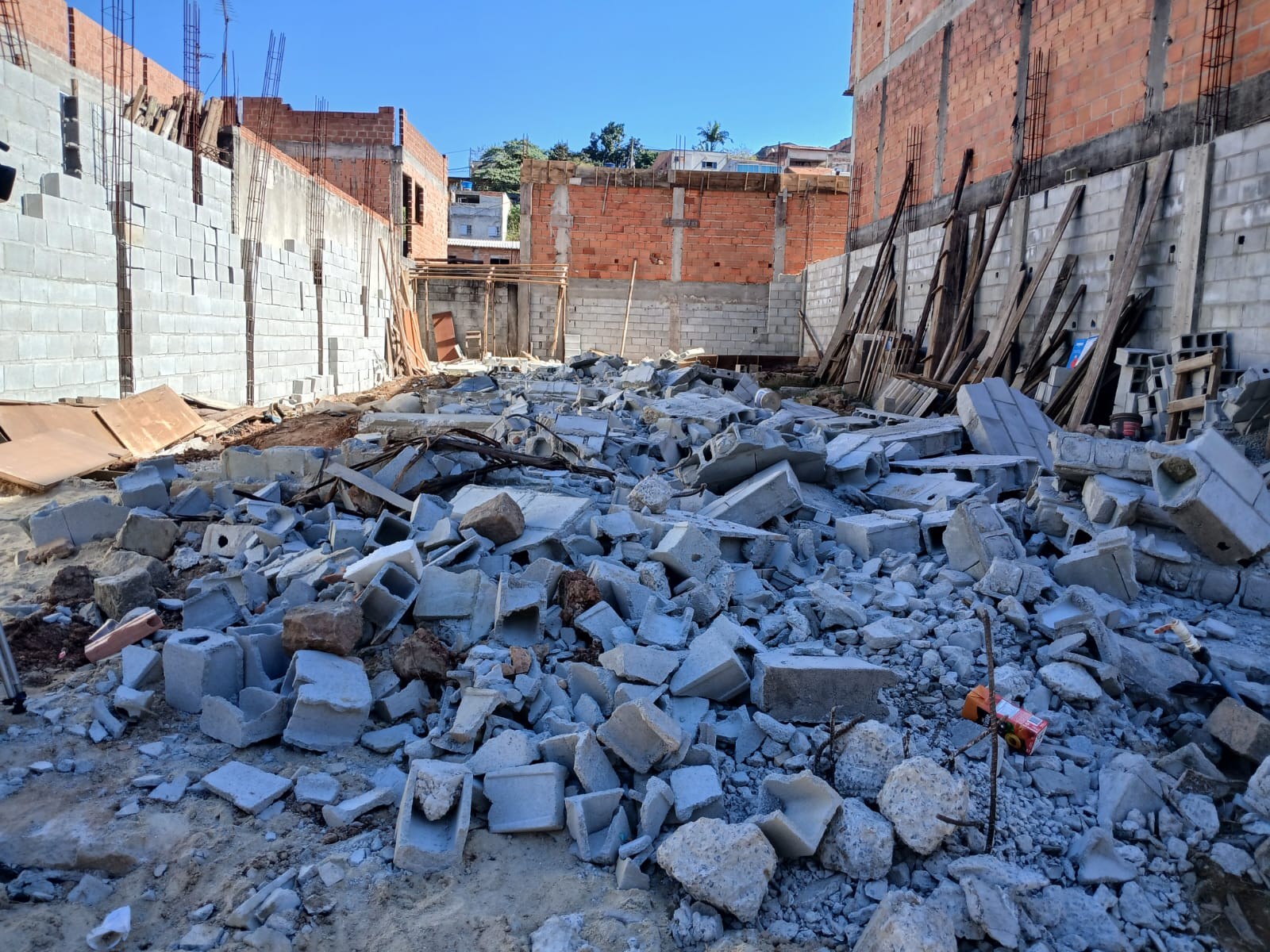
Four houses located in the Jardim Cristiano neighborhood of Itaquaquecetuba, Brazil, were demolished on Monday, May 20th, by the City Hall. The operation, which involved the Civil Defense and Municipal Civil Guard, targeted properties on Rua Osvaldo Cruz. Residents reported not receiving prior notification before the demolition, including two Bolivian women whose homes were destroyed. One resident stated her family was living in a provisional structure while building their house, and another had constructed her home just last year. The families' lawyer, Cláudio Martins, claims the demolitions were based on an unconstitutional municipal law and that residents were not properly notified before being forcibly removed and their homes razed. He intends to investigate public responsibility and seek compensation for the affected families. The Secretary of Urban Security, Anderson Caldeira, asserted that the action is part of an effort to combat illegal subdivisions and that the constructions were situated in a Permanent Preservation Area (APP) prone to landslides. Caldeira countered the residents' claims, stating that administrative processes had been ongoing for months and all residents were duly notified. He clarified that the action was an administrative application of municipal law, not an expropriation. While residents disputed receiving notifications, Caldeira indicated another house was slated for demolition that day. The City Hall stated that while administrative processes are followed, they have 30 days to inform the Public Prosecutor's Office of actions taken and that the Housing Secretariat has advised residents on land occupation. In response to inquiries about relocation, the municipality issued a note stating there was no collective family removal operation at that time and therefore no housing arrangements were defined for this specific action. The administration affirmed its commitment to preventing irregular occupations, protecting environmentally sensitive areas, and adhering to legal processes while respecting citizens' rights.
This event highlights a common tension between urban development, environmental protection, and the housing rights of vulnerable populations. The City Hall's actions, framed as combating illegal subdivisions and protecting environmentally sensitive areas, raise questions about due process and the adequacy of notification procedures for residents, particularly those with precarious housing situations. The discrepancy between official statements of notification and residents' claims suggests potential systemic failures in communication or enforcement. Future policy considerations should focus on balancing regulatory enforcement with robust social support mechanisms, ensuring that administrative actions do not disproportionately impact marginalized communities and that legal frameworks are applied transparently and equitably to prevent future conflicts and displacement.
AI-generated to prompt reflection — not editorial opinion, not advice, not a statement of fact. How this works.