Itatiaia National Park Hits -9.5°C, Following Record Lows
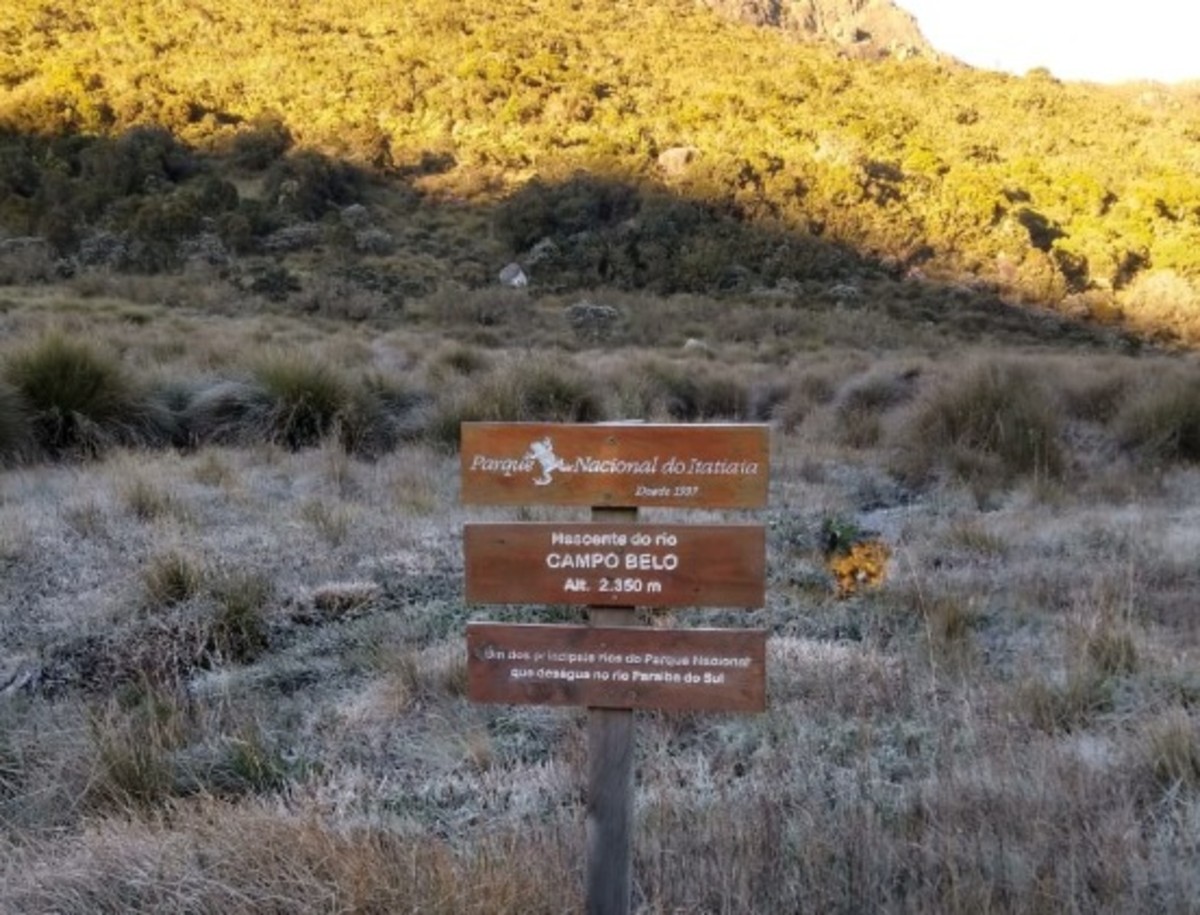
The Itatiaia National Park in Brazil experienced a frigid morning on Saturday, July 18th, with temperatures dropping to -9.5°C. This reading was recorded at 6 AM by a weather station located at Nascente do Campo Belo, which straddles the border between Rio de Janeiro and Minas Gerais states. This cold snap follows a week of record-breaking temperatures for the park. On Wednesday, July 15th, the same weather station registered a year-low of -11.5°C. Earlier in the week, on the morning of Tuesday, July 14th, temperatures had also fallen below freezing, with the station recording -11°C, leading to a frozen lake in the region. Established in June 1937, Itatiaia National Park holds the distinction of being Brazil's first national park. Situated in the Serra da Mantiqueira mountain range, its boundaries extend across municipalities in Rio de Janeiro and Minas Gerais, and it is in proximity to São Paulo state. The park's area has expanded from an initial 12,000 hectares to 28,000 hectares as of September 1982. Known for its mountainous terrain and rock formations, the park's highest point is Pico das Agulhas Negras, reaching an elevation of 2,791.5 meters, making it the fifth-highest peak in Brazil. In recognition of its 80th anniversary in 2017, the park was awarded the Medalha Tiradentes, the highest honor bestowed by the Legislative Assembly of Rio de Janeiro (Alerj).
The extreme cold recorded in Itatiaia National Park, including record lows of -11.5°C and a recent -9.5°C, highlights the increasing volatility of weather patterns, potentially influenced by broader climate shifts. While such events can be attributed to natural meteorological phenomena, their intensity and frequency warrant observation within the context of long-term climate trends. The park's designation as Brazil's first national park underscores its ecological significance, making it a critical area for monitoring environmental changes. Understanding the interplay between localized weather events and global climate dynamics is crucial for developing effective conservation strategies for such vital natural heritage sites over the next decade and beyond.
AI-generated to prompt reflection — not editorial opinion, not advice, not a statement of fact. How this works.