Itatiaia National Park Records 36 Vertebrate Species in Wildlife Monitoring Study
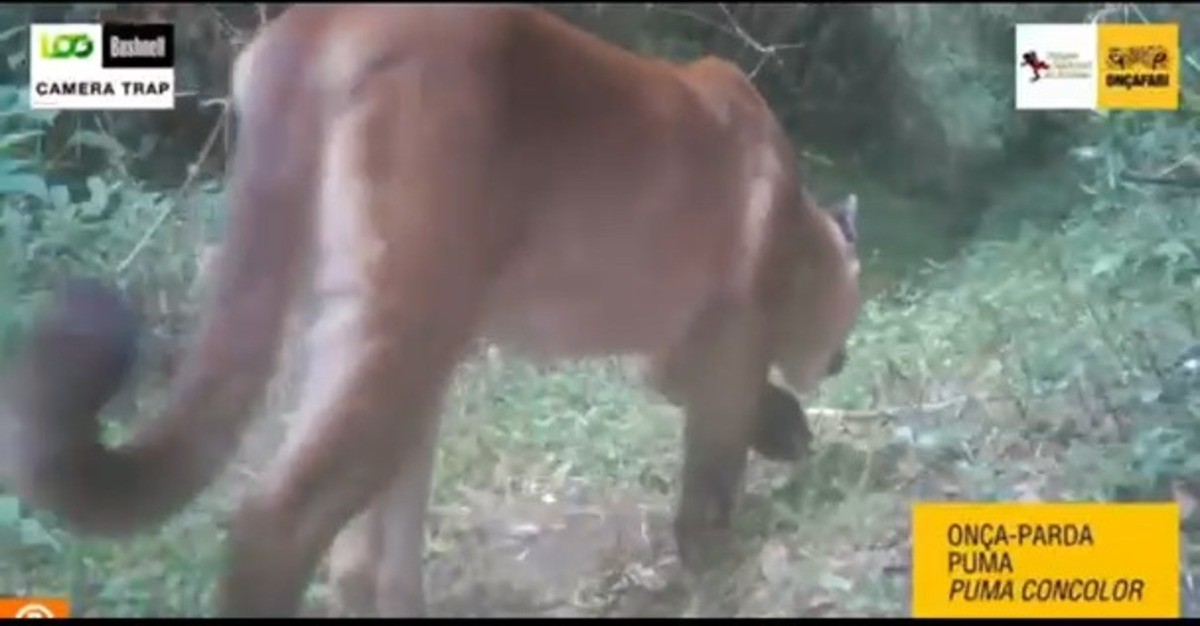
A wildlife monitoring initiative conducted at Itatiaia National Park in Rio de Janeiro, Brazil, between February and April 2026 has identified 36 species of vertebrate animals. The data was collected using camera traps strategically placed throughout the conservation area. This project is a collaborative effort involving the Chico Mendes Institute for Biodiversity Conservation (ICMBio), Onçafari, and Jaguar Land Rover (JLR), which commenced in 2024. Its primary goal is to enhance understanding of the park's biodiversity and inform future conservation strategies. During the monitoring period, a total of 3,423 photos and videos were captured. Of these, 1,454 images depicted animals, leading to the identification of 21 mammal species and 15 bird species. Among the recorded mammals, three were non-native or domestic: cattle (19 records), domestic dogs (2 records), and wild boars, an invasive species (4 records). The survey also confirmed the presence of several endangered wild species, including the collared peccary (vulnerable), puma (near threatened), margay (vulnerable), oncilla (endangered), and jaguarundi (vulnerable). Notable findings from the study include images of a female oncilla with a cub in the Trilha Rui Braga area, frequent puma sightings in both the upper and lower sections of the park, and photographic evidence of collared peccary young and a young black-eared opossum.
This monitoring effort at Itatiaia National Park highlights the value of collaborative, technology-assisted biodiversity assessment for conservation planning. The inclusion of domestic and invasive species in the count provides valuable data for park management, indicating potential ecological pressures. The identification of multiple threatened species underscores the park's significance as a refuge and the ongoing need for robust protection measures. Future conservation strategies could benefit from analyzing the spatial distribution of these species and the environmental factors influencing their presence, especially in the context of increasing human activity and climate change impacts over the next decade. Understanding the interdependencies between native wildlife, domestic animals, and invasive species is crucial for developing effective, long-term ecological management plans.
AI-generated to prompt reflection — not editorial opinion, not advice, not a statement of fact. How this works.