Itatiba Oncology Center Seeks Donations of Scarves for Patients
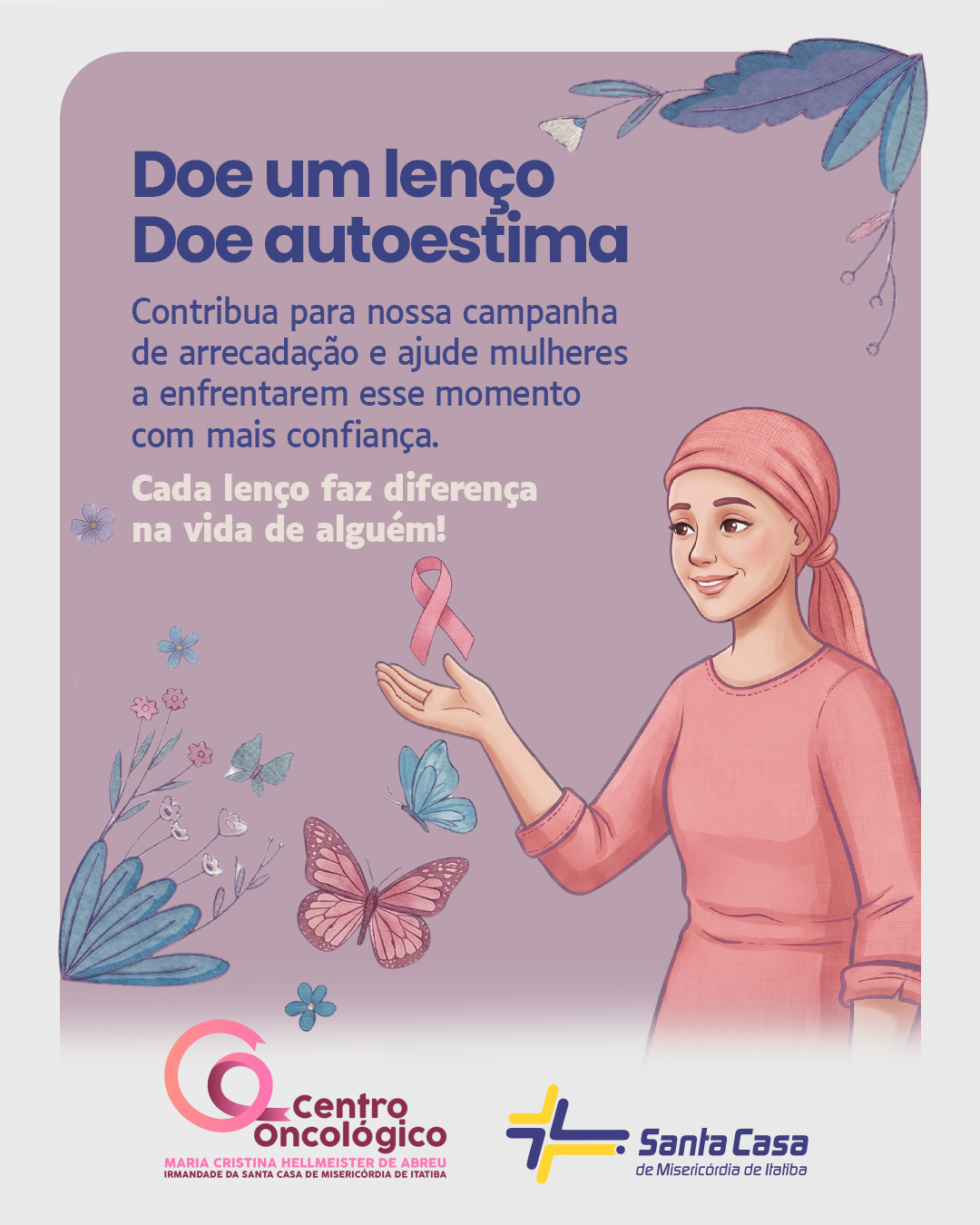
The Oncology Center at Santa Casa de Itatiba, named "Maria Cristina Hellmeister de Abreu," has launched a campaign to collect scarves for its patients. This unit serves individuals from 62 municipalities across the state of São Paulo, referred through the SIRESP system. Dr. Lucas Zeponi Dal’Acqua, a urologist and coordinator of the Oncology Center, emphasized that the scarves are important for patients' self-esteem during their treatment journey, offering comfort and care alongside support from the medical team and families. Those wishing to donate can contact the oncology social assistance department via email at [email protected]. In May 2025, the Santa Casa's oncology department received UNACON certification from the Ministry of Health, signifying its status as a High Complexity Oncology Assistance Unit. This certification ensures the continuous operation of the facility, which has administered approximately 50,000 chemotherapy sessions and performed around one thousand oncological surgeries. Dr. Lucas highlighted that this federal recognition is crucial for the center to secure additional funding for new equipment and specialist recruitment. He also noted that very few cities in Brazil's interior regions hold this certification, which validates the quality of their treatment protocols.
The Santa Casa de Itatiba's initiative to collect scarves for cancer patients addresses a tangible need for emotional support and dignity during treatment. The UNACON certification signifies a commitment to high standards of care and opens avenues for further development, potentially enhancing the center's capacity to serve a broad region. From a systemic perspective, such community-driven support campaigns, coupled with formal accreditation, illustrate a multi-layered approach to healthcare delivery. This model, combining public health infrastructure with philanthropic efforts, can be a resilient strategy for managing the increasing burden of chronic diseases like cancer, especially in underserved regions. The challenge moving forward will be to sustain these efforts and integrate them into broader public health policies that ensure equitable access to advanced cancer care across all municipalities.
AI-generated to prompt reflection — not editorial opinion, not advice, not a statement of fact. How this works.